


Compost is a personalized mixture used as plant fertilizer that improves a soil’s physical, chemical, and biological properties. It requires a combination of green waste and brown waste. With this, you’ll create a decomposition process, creating rich plant nutrients and beneficial organisms. Every year, the US creates 2.6 million tons of it, saving landfills $91,000. The practice of composting has been around for centuries. There are many benefits of composting. Compost can protect your garden for soil erosion by improving water retention. It will improve your soil’s structure, encouraging strong crop growth. If you were ever interested in getting into composting, here’s how.
Picking Out A Compost Bin

There are a variety of bins to choose from. For small yards, stationary and tumbling bins are a perfect fit. The stationary bins are the basic models that need to be turned manually. Tumbling bins can rotate your mix regularly, speeding up the decomposition process. Worm composters use worms to break down your compost. Food waste digesters use bacteria to make a liquid compost. In-ground bins are bins buried underground using the Earth’s natural heat to make it. No matter what style bin you pick, make sure you keep it in a shaded area. This prevents the bins from drying out as compost can reach temperatures up to 170 degrees F., killing off important bacteria.
Green Waste

Green waste, or green mix, consists of wet or recently grown material that was green at one time. This is what enriches your compost with nitrogen and protein that microorganisms thrive on. It also provides the heat it needs to break things down. Your compost should consist of 1/3rd, or one bucketful, of green mix. This includes, but is not limited to, grass clippings, plant trimming, food waste, and seaweed. You’ll want to avoid adding diseased plants, weeds with seeds, and pet droppings as these won’t break down fast enough to be of any use, or it will spread its disease throughout your garden. This can make your compost unusable, which defeats the purpose of doing it.
Brown Waste
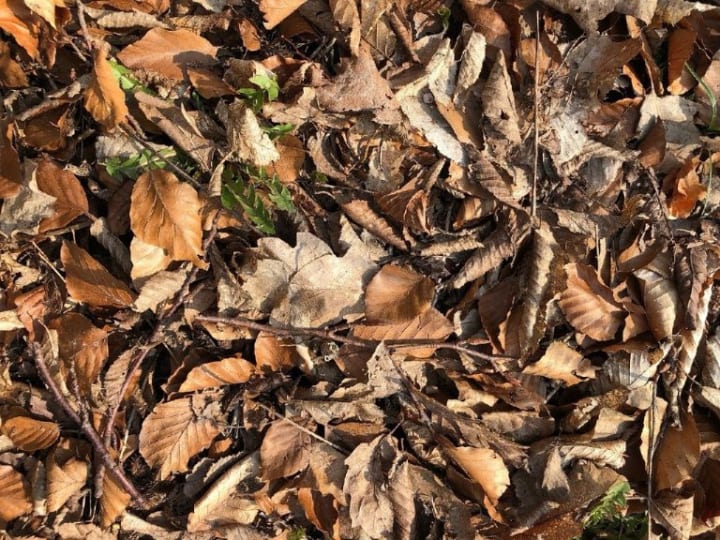
Brown waste, or brown mix, is often dry, woody materials that are brown or naturally turning brown. This adds carbon and carbohydrate-rich materials. This also helps keep your compost aerated by adding pockets within it. These are a primary food source for soil-loving organisms that work with the microbes to break down the compost pile. Your compost should consist of 2/3rds, or two bucketfuls, of brown mix. This includes but is not limited to, fallen leaves, twigs, sawdust, paper, and cardboard that don’t have a waxy/sticky coating. Avoid using large branches, treated lumber and its sawdust, and glossy paper as these won’t break down properly in the bin.
Food Waste
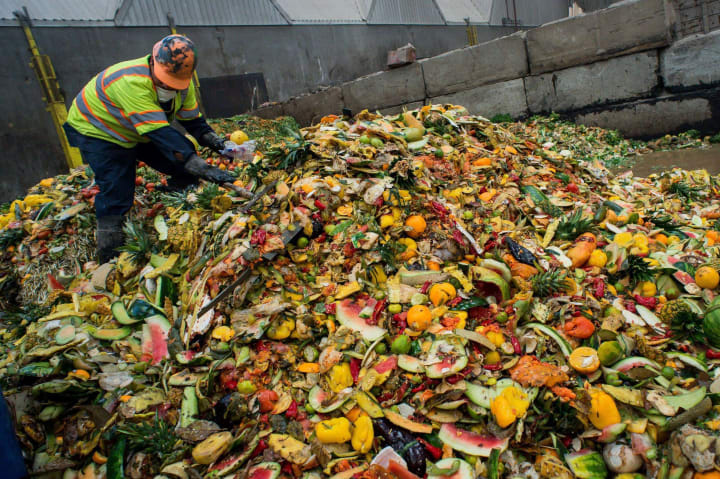
Food waste is also viewed as green waste/mix. In the US, 240 pounds of food is thrown away each year per household. These scraps will do wonders when mixed into your compost. The perfect food waste to use in your compost would be coffee grounds, used tea bags, vegetable and fruit scraps, and crushed eggshells. Avoid adding cooking grease/fat and bones, as these won’t break down in your compost. Another thing to skip adding to your compost would be animal-based foods like meat, cheese, and fish. Not only with this make your compost smell, but they will take forever to break down while attracting unwanted pests like rats and flies.
Preparing Your Compost

Start with a base layer in your compost bin of mulch, twigs, or used potting soil. This will encourage air circulation and drainage. You’ll want to layer your waste brown, green, brown, watering each layer in between as you prepare it. Turn your compost every week or two to aerate. Poke holes in it with garden stakes or plastic pipes through the heap to add airflow to it. Keep the compost covered, as this will retain the heat and moisture essential to the decomposition process. Depending on the size of the heap, it will take months before it is ready for use. You’ll know it is ready when it turns a golden-rich color that crumbles easily.
About the Creator
M.L. Lewis
Welcome to my little slice of pie. This blog will primarily focus on prepping and homesteading skills with a sprinkle of fiction every now and then.
Keep reading
More stories from M.L. Lewis and writers in Earth and other communities.
Surviving On The Boat
This is boat safety week. Every year, the Coast Guard estimates there will be 5,265 accidents that result in 767 deaths and 3,191 injuries. Approximately $62.5 million dollars of damage to property are a result of boating accidents. Proper preparation can make all the difference between a manageable situation and a catastrophic one. Preparing your boat for disaster is not just a prudent measure; it’s a responsibility every boat owner should undertake. Whether you’re an experienced mariner or a novice sailor, unforeseen events like storms, mechanical failures, or emergencies can strike at any moment. Here are some tips to safeguarding your vessel, ensuring that you’re ready when disaster strikes.
By M.L. Lewis2 years ago in Earth
The most severe ice melt episodes in Greenland are becoming significantly worse.
The ice sheet in Greenland has always somewhat melted throughout the summer. That is typical. The frequency of the most severe melt events and the amount of water they produce are no longer typical.
By Francis Dami4 days ago in Earth



Comments (1)
Interesting and delicious content. Keep posting more