
Extract Naphtha from Pyrolysis Oil and Distillation
Conversion Process
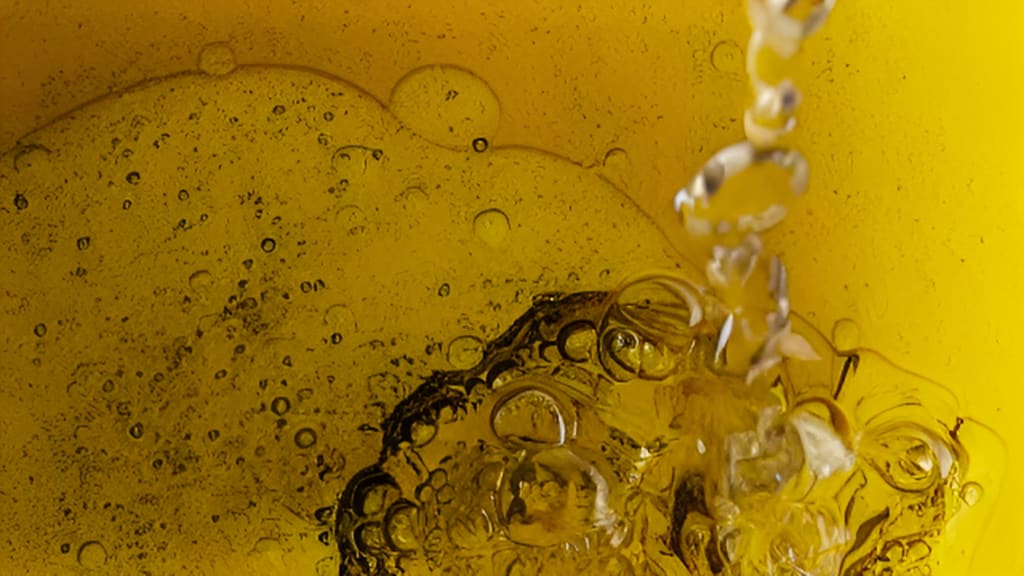
The process of obtaining naphtha from waste materials has gained significant attention as industries look for sustainable and environmentally friendly ways to extract valuable fuels and chemicals from waste. One effective method is the combination of pyrolysis and distillation, a two-stage process that transforms waste into useful products such as naphtha.
Step 1: Pyrolysis – The First Stage of Conversion
The extraction of naphtha begins with the pyrolysis machinery, a thermal decomposition method in which organic materials are heated in the absence of oxygen to break down complex hydrocarbons. Typically, pyrolysis is used to convert solid waste—such as plastics, rubber, and biomass—into valuable products like pyrolysis oil and gas.
What Happens During Pyrolysis?
- Heating: Waste materials are heated to temperatures typically between 400°C and 800°C in a controlled reactor. This heat causes the breakdown of large, complex organic molecules into smaller ones.
- Formation of Pyrolysis Oil: As the waste materials undergo thermal decomposition, volatile liquids, solid residues (char), and gases are produced. The pyrolysis oil, a liquid byproduct, contains a mixture of hydrocarbons, including alkanes, alkenes, and aromatics, which are ideal candidates for further refining into valuable products.
- Extraction of Pyrolysis Oil: The pyrolysis oil, often referred to as “bio-oil” or “liquid hydrocarbons,” is extracted from the reactor and cooled into a liquid state. This oil is typically dark in color and has a high calorific value, which makes it an excellent source for energy production or chemical refining.
Step 2: Distillation – Refining Pyrolysis Oil to Extract Naphtha
Once the pyrolysis oil is obtained, the next step is distillation. Distillation is a separation process that relies on the differences in boiling points to isolate specific components from a mixture. In this case, we use distillation to separate naphtha from the other components of pyrolysis oil.
The Distillation Process
- Heating the Pyrolysis Oil: The pyrolysis oil is heated in a distillation column, where the temperature is gradually increased. As the temperature rises, different components of the oil begin to vaporize at their respective boiling points.
- Fractional Distillation: In a fractional distillation setup, the heated oil enters a column packed with trays or other materials to promote the separation of different liquid phases. As the vapor rises, it cools and condenses at various levels, where different fractions are collected.
- Naphtha Fraction: Naphtha has a boiling range typically between 30°C to 200°C. During the distillation, the lighter hydrocarbons (including naphtha) will vaporize first and condense at the top of the column. The naphtha fraction can then be collected as a separate liquid phase.
- Other Fractions: Other heavier or lighter components of the pyrolysis oil, such as diesel, kerosene, gasoline, and residual oils, are separated into different fractions based on their boiling points. These fractions may be used for various other industrial purposes, including fuel production or chemical synthesis.
- Petrochemical Feedstock: Naphtha is an important feedstock in the production of ethylene, propylene, and other key chemicals used in plastics manufacturing, fertilizers, and synthetic materials.
- Fuel Production: Naphtha can be used as a gasoline substitute or blended with other fuels to meet specific fuel requirements, offering a cleaner, alternative fuel source.
- Industrial Solvent: Due to its high solvent properties, naphtha is commonly used in the production of paints, coatings, and adhesives.
Applications of Naphtha Extracted from Pyrolysis
The naphtha obtained from pyrolysis oil and distillation can be used in a variety of applications, including:
The extraction of naphtha from pyrolysis oil through distillation offers a promising method for converting waste into valuable fuel and chemical products. By employing these technologies, industries can reduce waste, promote sustainability, and enhance economic opportunities while also contributing to a more circular economy.
As the global demand for cleaner, more sustainable energy sources continues to grow, the combination of pyrolysis and distillation will play a critical role in advancing waste-to-energy technologies and supporting the shift toward a more sustainable future.


Comments
There are no comments for this story
Be the first to respond and start the conversation.