
Exploring the World of Gigantic Creatures: 15 Abnormally Large Animals That Truly Exist
Unveiling Nature's Giants: A Fascinating Dive into the Realms of Earth's Largest and Most Extraordinary Beings
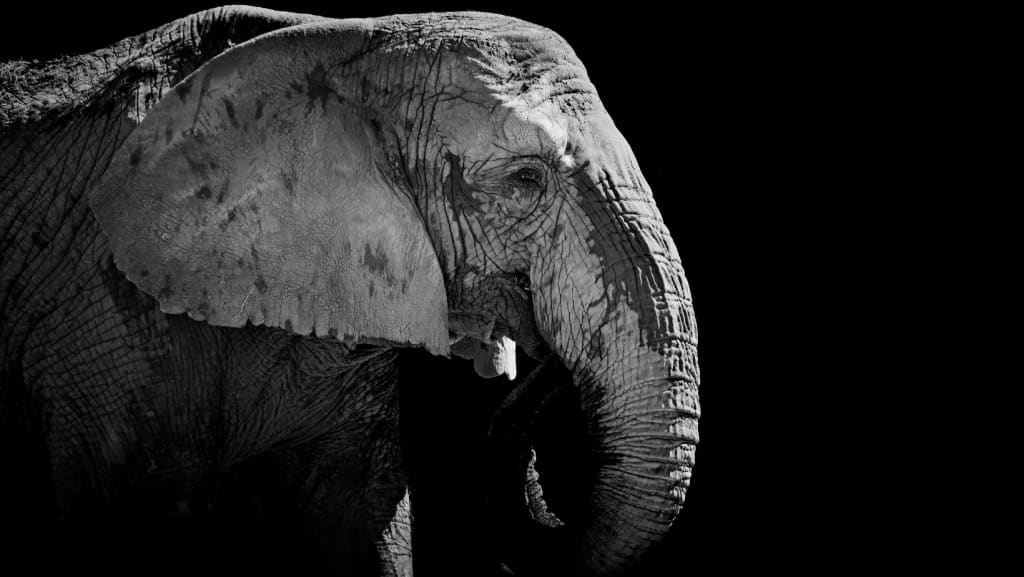
Embark on a captivating journey as we delve into the mesmerizing world of colossal creatures that grace our planet. In this article, we'll introduce you to 15 abnormally large animals, each possessing unique characteristics and adaptations that set them apart in the tapestry of Earth's diverse ecosystems.
1. Blue Whale:
The odyssey begins with the blue whale, the colossal marine giant that reigns as the largest animal ever to have existed on Earth. These gentle behemoths, with lengths of up to 100 feet and weighing a staggering 200 tons, navigate the vast oceans, filtering enormous quantities of tiny krill through their baleen plates. Despite their massive size, blue whales exhibit a streamlined body, distinctive vocalizations, and a migratory pattern critical for their survival.
2. African Elephant:
Venturing into the heart of Africa, we encounter the African elephant, the largest land animal. With its iconic tusks and remarkable intelligence, the African elephant roams savannas and forests, playing a vital role in shaping its habitat. However, these majestic creatures face threats such as habitat loss and poaching, prompting conservation efforts to secure their future.
3. Saltwater Crocodile:
The journey takes a plunge into the coastal realms of Southeast Asia and Northern Australia, where the saltwater crocodile, the largest living reptile, reigns. These apex predators, with lengths up to 23 feet, employ ambush hunting techniques, demonstrating unparalleled strength and precision. Despite successful conservation efforts in some regions, challenges like habitat loss and illegal hunting persist.
4. Giraffe:
The savannas and grasslands of sub-Saharan Africa unveil the tallest creatures on Earth—the giraffes. Their towering necks and legs offer advantages such as a wide field of vision and access to foliage beyond the reach of other herbivores. As giraffe populations face challenges, conservation initiatives strive to protect these iconic beings and their unique ecosystems.
5. Eastern Gorilla:
Diving into the lush forests of Central and Eastern Africa, we encounter the eastern gorilla, the largest living primate. With complex social structures and strong bonds, these remarkable creatures face threats like habitat loss and disease. Conservation efforts have shown signs of success in the recovery of some populations.
6. Whale Shark:
Submerging into the ocean's depths, we discover the whale shark, the largest fish species. Despite their massive size, these gentle filter feeders consume plankton and small fish. Conservation efforts aim to safeguard these endangered creatures from threats like fishing bycatch and habitat degradation.
7. Ostrich:
Roaming the African savannas, the ostrich, the largest and heaviest bird, captivates with its powerful legs and remarkable speed. Conservation efforts focus on habitat preservation and sustainable practices to ensure the well-being of these flightless birds.
8. Kodiak Bear:
Heading to the Kodiak archipelago in Alaska, we encounter the Kodiak bear, one of the largest terrestrial carnivores. With impressive fishing skills and unique adaptations for hibernation, Kodiak bears underscore the delicate balance of their ecosystem, protected by conservation measures.
9. Green Anaconda:
In the swamps of South America, the green anaconda, the world's heaviest snake, lurks. With unique feeding mechanisms and powerful constriction abilities, these impressive snakes play a crucial role in maintaining the ecological balance of their habitats.
10. Chinese Giant Salamander:
Exploring the freshwater rivers of China, we discover the Chinese giant salamander, the world's largest amphibian. Facing threats from habitat loss and overharvesting, conservation efforts aim to protect these unique creatures and their crucial role in maintaining biodiversity.
From the vast oceans to the heart of diverse ecosystems, our exploration of abnormally large animals unveils the incredible wonders of Earth's biodiversity. Conservation efforts are paramount in securing the survival of these magnificent creatures, emphasizing the urgent need to protect our planet's natural heritage for generations to come.
About the Creator
Keep reading
More stories from Clervie Marie Lapinig Gutib and writers in Earth and other communities.
Unveiling the Secrets of Nadol: A Lost City in the Pacific Ocean
In the vast expanse of the Pacific Ocean, where the horizon meets endless waves, lies a hidden chapter of history that has eluded the grasp of time. A fascinating journey through the annals of the past, armed with 21st-century technology, as we uncover the enigmatic secrets of Nadol, a lost city that once thrived in the heart of the Pacific.
By Clervie Marie Lapinig Gutib2 years ago in Earth
Half of World’s CO2 Emissions Come From Just 32 Fossil Fuel Firms, Study Shows
A groundbreaking new study has revealed that 32 fossil fuel companies are responsible for half of global carbon dioxide emissions since the industrial era began. The findings highlight the outsized influence of major oil, gas, and coal producers on climate change, and raise urgent questions about accountability, regulation, and the transition to cleaner energy.
By Aarif Lashari4 days ago in Earth
“Do Not Copy This Site’s Content”: Why Originality Matters More Than Ever in the Digital Age
“Do not copy this site’s content.” It’s a warning most internet users have seen countless times, often at the bottom of webpages or buried in terms and conditions. Many scroll past it without a second thought. But in today’s digital world, that simple sentence carries far more weight than people realize.
By Muhammad Hassanabout 14 hours ago in Earth



Comments