
Exploring the World of Ants with Dr. Corrie Moreau
World of Ants
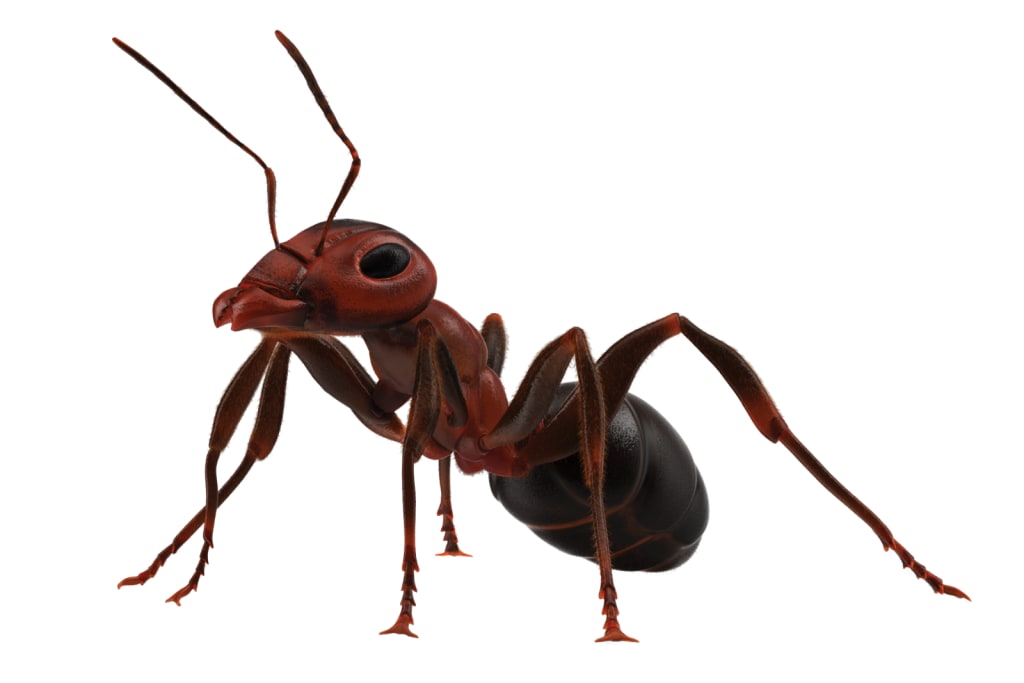
In a cozy office nestled within the heart of the Field Museum in Chicago, a conversation unfolded, driven by curiosity and a shared passion for the tiny creatures that often go unnoticed in our daily lives—ants. Dr. Corrie Moreau, a renowned curator specializing in ants, had invited her colleague, Emily, for a unique encounter with these remarkable insects.
"Hey, Corrie," greeted Emily as she entered the office.
"Hi, how are you, Emily?" replied Corrie with a warm smile.
"Good, how are you?" Emily inquired once more.
"I'm excellent," Corrie beamed.
The stage was set for an exploration into the captivating world of ants. Corrie explained that she had brought live ants from Panama for her research projects, offering a glimpse into the diverse and intricate lives of these tiny creatures.
"This one here is actually turtle ants," Corrie shared. "They're known for their unique biology, and they can glide when they fall from trees, using directed aerial descent to land safely on tree trunks."
Emily was awestruck. "What? How do they do that?"
Corrie elaborated, "They essentially use their heads and bodies as sails, steering themselves mid-air to control their descent and grasp the tree trunk. But what fascinates me most is their gut bacteria. We're studying the diversity and function of these bacteria to understand if they play a role in the ants' vegetarian diet."
As Corrie continued, she introduced Emily to the world of turtle ants, a diverse group comprising about 120 species. She highlighted Cephalotes atratus, one of the earliest lineages, known for scavenging prey. Other species within the group had evolved into primarily vegetarians, like Cephalodes varians, which consumed only pollen and sugar water.
"Are they using their gut microbes to translate that nutrition into essential amino acids?" Corrie posed a question that intrigued both researchers.
Emily then asked about the small mandibles of vegetarian ants and whether it was related to their diet.
Corrie explained the trade-offs in defense mechanisms, from large mandibles to spines on their bodies. Each species adapted to its unique natural history strategy, choosing the best strategy for its survival.
"Is their strategy to have spines then?" Emily inquired.
"These particular turtle ants do have spines on the top parts of their bodies," Corrie revealed. "Sometimes when you try to pick them up, it can feel like they're biting you, but it's usually just their spines."
Corrie's research involved dissecting live ants to study the bacteria living inside their bodies. She emphasized the need for live ants to culture these bacteria, as traditional preservation methods wouldn't suffice.
Emily watched as Corrie performed a live dissection of an ant. She marveled at the intricate segments of the ant's digestive system and how it continued functioning even after death. Corrie explained that gut bacteria played a crucial role in processing food and differed depending on the species' natural history.
As they discussed the process, Emily realized that humans, too, were ecosystems, hosting bacteria and organisms that coevolved with us. The intricate web of life extended beyond our species, highlighting the interconnectedness of all living creatures.
Their conversation revealed the importance of ants in the natural world and the mysteries hidden within their tiny bodies. Dr. Corrie Moreau's passion for these insects and her dedication to unraveling their secrets left Emily inspired and eager to delve deeper into the world of ants.
The office, once a quiet space, had transformed into a portal to a world filled with wonder, where even the smallest of creatures held the keys to understanding the grand tapestry of life on Earth.
About the Creator
Keep reading
More stories from Pieter Lemmer and writers in Earth and other communities.
Unraveling the World of Butterflies and Moths
In the quiet solitude of a sunny afternoon, Emily sat in her garden, engrossed in the delicate dance of butterflies and moths that flitted among the vibrant blossoms. As a nature enthusiast and a fervent learner, she had always been captivated by these enchanting insects. Today, however, she had decided to delve deeper into the world of Lepidoptera, determined to understand the intricacies that set butterflies and moths apart.
By Pieter Lemmer2 years ago in Earth
Rice Market Size and Forecast 2025: A Global Staple Navigating Growth, Trade, and Transformation
Global Rice Market Outlook: Growth Rooted in Necessity Rice is more than just a crop — it is the backbone of food security for billions. As one of the world’s most consumed cereal grains, rice continues to play a central role in global agriculture, nutrition, and trade. According to Renub Research, the global rice market is projected to reach US$ 378.41 billion by 2033, up from US$ 305.14 billion in 2024, growing at a CAGR of 2.42% from 2025 to 2033.
By Sushant. Renub Research5 days ago in Earth
What Went Right This Week: The Good News That Matters
In a world often dominated by breaking news alerts, crises, and uncertainty, it can be easy to overlook the positive developments quietly shaping our lives. Yet every week brings stories of progress, resilience, and human ingenuity that deserve attention. From breakthroughs in health and science to acts of kindness and environmental wins, good news still happens—and it matters.
By Aarif Lasharia day ago in Earth
Affection and Healing for Yourself
During the night of the last quarter moon, I gathered my ritual supplies. I carefully handled the chunk of black tourmaline that would protect me from your overall negative and narcissistic energy. I carefully walked the house with my stick of selenite in hand, asking the universe to cleanse our working space.
By Alisha Wilkins ✒️🦋🖋️6 days ago in Fiction




Comments
There are no comments for this story
Be the first to respond and start the conversation.