
Exploring the Unique Vision of Animals: Seeing the World from Their Perspective
How animals see the world
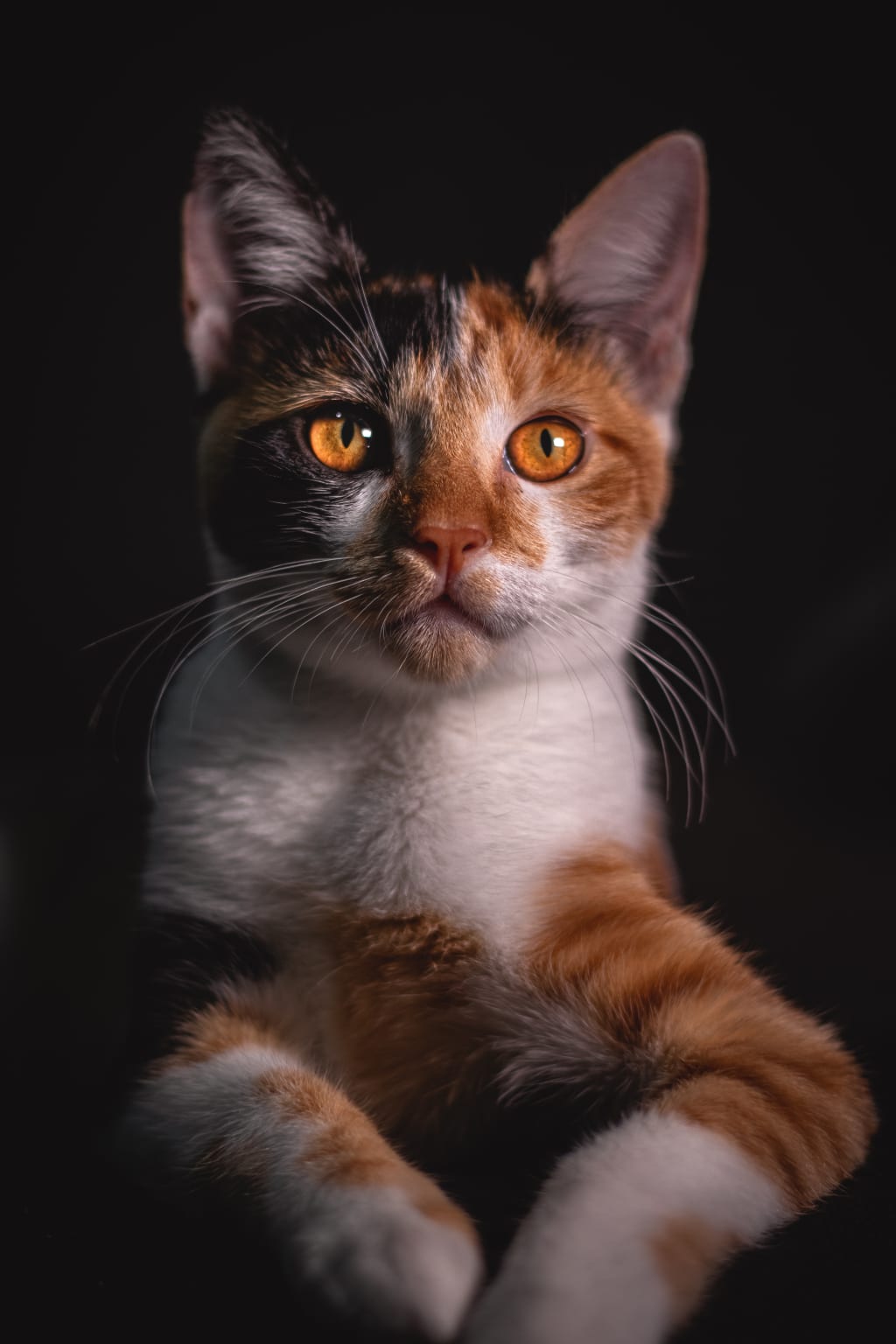
The animal kingdom is a diverse and fascinating realm, and one aspect that sets different species apart is their unique ways of perceiving the world. While humans rely heavily on our visual senses, it is intriguing to discover that animals have distinct visual capabilities that often surpass our own. In this article, we will delve into the extraordinary vision of various animals, shedding light on how their eyes perceive the world differently and uncovering some astonishing facts about their visual abilities.
Here is a look at how some different animals see the world:
Sharks: Monochromatic Vision:
Contrary to popular belief, sharks cannot distinguish colors. Despite their limited color perception, they have excellent visual acuity underwater, enabling them to detect movement and perceive objects with clarity. This adaptation contributes to their efficient hunting skills and survival in their marine habitats.
Snakes: Infrared Sensitivity:
Snakes have evolved an extraordinary visual adaptation. They possess specialized infrared-sensitive receptors in their snouts, allowing them to detect the radiated heat of warm-blooded mammals. This unique ability enables them to "see" in the dark by perceiving the thermal signatures emitted by their prey, making them highly efficient hunters in their natural habitats.
Horses: Blind Spot and Limited Color Perception:
Horses, due to the placement of their eyes on the sides of their heads, have a blind spot directly in front of their faces. This blind spot makes it challenging for them to see objects or people directly in front of them, highlighting the importance of approaching them cautiously. Similar to cows, horses do not perceive as many colors as humans do, and their world consists mainly of greens, yellows, and blues.
Fish: Wide Field of View and Ultraviolet Vision:
Fish possess eyes with ultraviolet receptors, granting them an almost 360-degree field of vision. This broad visual perspective is crucial for their survival in aquatic environments. While fish can see the same range of colors as humans, underwater conditions affect how light behaves, making it more challenging for them to discern red. Deep-sea fish, however, have adapted to thrive in darkness, enabling them to see in low-light conditions.
Birds: Ultraviolet Vision and Focused Acuity:
Birds possess exceptional visual abilities. Unlike humans, birds can see ultraviolet light, which aids in distinguishing between males and females of their own species and facilitates navigation. Certain birds, such as falcons and eagles, possess remarkable focus and acuity, enabling them to spot small prey from great distances. Pigeons, with their 340-degree field of vision and detailed perception, exemplify the extraordinary visual capabilities of birds.
Insects: Compound Eyes and Slow-Motion Vision:
Insects, like flies, possess compound eyes consisting of thousands of tiny receptors working together to create a mosaic-like image of their surroundings. These intricate eyes enable them to see the world in slow motion, aiding their flight and evasive maneuvers. Additionally, some insects, such as bees, can perceive ultraviolet light, which assists in communication and identifying specific floral patterns.
Cows: Limited Color Vision and Panoramic View:
Cows, despite their large size, do not perceive colors as vividly as humans do. They lack the necessary receptors in their retinas to see the color red and primarily perceive variations of blue and green. Additionally, cows have a near-panoramic field of vision, with the exception of a blind spot directly behind them. Therefore, it is important to approach cows from the front or give them a heads up to avoid startling them.
Chameleons
Chameleons have eyes that can move independently of each other. This gives them a 360-degree field of vision. Chameleons can also see in color and have excellent night vision.
Animals see the world in a variety of ways. Some animals have better vision than humans, while others have different types of vision. It is fascinating to learn about how different animals see the world.
About the Creator
Keep reading
More stories from Kellen Muguchu and writers in Earth and other communities.
The Great African Rift: A Geological Marvel Shaping the Continent's Future
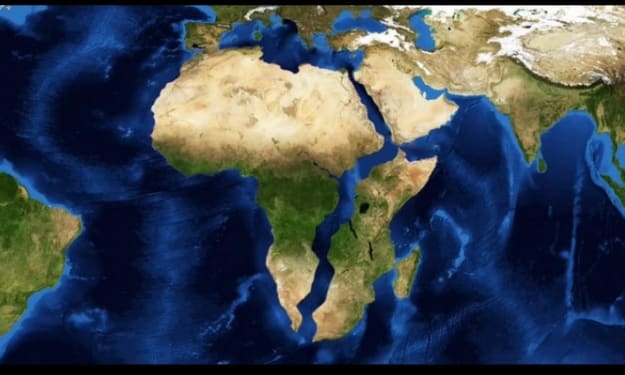
Africa, the second largest continent in the world, is currently undergoing a remarkable geological transformation that will impact all its countries. With its vast landmass, rich cultural heritage, diverse wildlife, and stunning landscapes, Africa has captivated the world for centuries. The ongoing splitting of the continent, known as the Great African Rift, spans an impressive 6,000 kilometers from the Red Sea in the North to Zimbabwe in the South. This geological phenomenon has given rise to mountains, oceans, and a series of fascinating landscapes. In this article, we explore the origins, impacts, and future implications of the Great African Rift.
By Kellen Muguchu3 years ago in Earth


Comments
There are no comments for this story
Be the first to respond and start the conversation.