
Exploring the Potential of Biometric Authentication in Security Systems
Biometric Authentication: Revolutionizing Security Systems with Personalized Identity Verification.
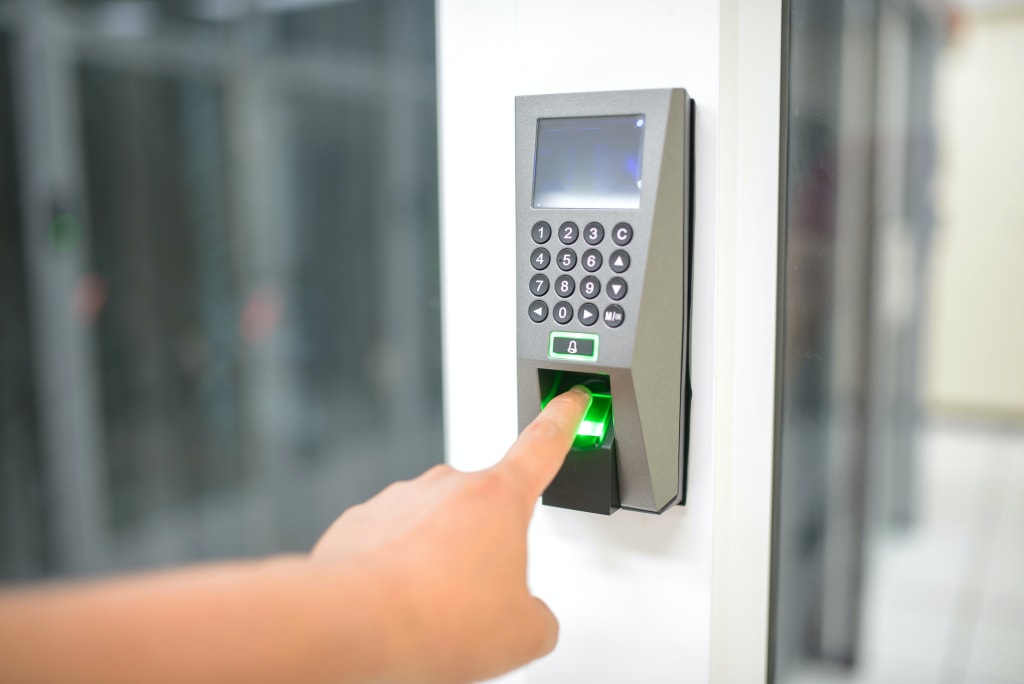
In today's increasingly interconnected world, the need for robust and reliable security systems has become paramount. Traditional methods of authentication, such as passwords and PINs, have proven to be vulnerable to breaches and unauthorized access. As a result, there has been a growing interest in biometric authentication, which offers a unique and personalized approach to verifying an individual's identity. This article explores the potential of biometric authentication in security systems, highlighting its benefits, challenges, and future prospects.
What is Biometric Authentication?
Biometric authentication involves the use of unique physical or behavioral characteristics to verify the identity of an individual. These characteristics can include fingerprints, iris or retina patterns, facial features, voice patterns, and even behavioral traits like typing rhythm or gait. Biometric data is captured using specialized sensors or devices, and it is then compared against pre-registered templates to authenticate an individual's identity.
Benefits of Biometric Authentication
- Enhanced Security: Biometric authentication offers a higher level of security compared to traditional methods. Unlike passwords or PINs, which can be easily forgotten, stolen, or guessed, biometric traits are unique to each individual and difficult to replicate or forge. This significantly reduces the risk of unauthorized access and identity fraud.
- Convenience and Efficiency: Biometric authentication provides a convenient and efficient way to verify identity. Users don't need to remember complex passwords or carry physical tokens like access cards. With a simple scan or recognition, they can swiftly gain access to secure systems or physical spaces. This streamlines authentication processes, saving time and effort for both individuals and organizations.
- Non-Transferable and Non-Replicable: Biometric traits are inherently tied to an individual and cannot be easily transferred or replicated. Unlike passwords, which can be shared or compromised, biometric data is unique to each person. This ensures that only authorized individuals can access sensitive information or restricted areas.
- Scalability and Versatility: Biometric authentication can be seamlessly integrated into various security systems and devices, making it highly scalable and versatile. It can be used in physical access control systems, computer logins, mobile devices, and even online transactions. This adaptability makes it an ideal solution for a wide range of applications and industries.
Challenges and Considerations
While biometric authentication holds tremendous potential, it also comes with its own set of challenges and considerations.
- Privacy and Data Protection: Biometric data is highly sensitive and requires robust privacy and data protection measures. Organizations must adhere to strict regulations and guidelines to ensure the secure storage and handling of biometric information. Additionally, there is a need to address concerns regarding the potential misuse or abuse of biometric data.
- Accuracy and Reliability: The accuracy and reliability of biometric authentication systems are crucial for their widespread adoption. Factors such as environmental conditions, variations in biometric traits, and aging can affect the performance of biometric systems. Continuous research and development are necessary to improve accuracy and minimize false acceptance or rejection rates.
- User Acceptance and Education: Biometric authentication may face resistance or skepticism from some individuals due to concerns about privacy, security, or cultural factors. To overcome this, organizations must educate users about the benefits and safeguards associated with biometric authentication. Transparency and clear communication are essential to build trust and acceptance among users.
- Integration and Compatibility: Integrating biometric authentication into existing systems and infrastructure can be a complex task. Compatibility issues, interoperability challenges, and the need for standardized protocols can pose barriers to implementation. Seamless integration with existing security systems is vital to ensure a smooth transition and maximize the benefits of biometric authentication.
Future Prospects
The future of biometric authentication holds immense potential for innovation and advancement. Here are some key areas that are likely to shape its future:
- Multimodal Biometrics: Combining multiple biometric modalities, such as fingerprint and facial recognition, can enhance the accuracy and security of authentication systems. Multimodal biometrics offer a more robust and reliable approach by leveraging the strengths of different biometric traits.
- Continuous Authentication: Rather than relying on a single authentication event, continuous authentication continuously monitors and verifies an individual's identity throughout a session or interaction. This approach adds an extra layer of security, particularly in high-risk environments or sensitive transactions.
- Biometric Encryption: Biometric encryption combines biometric authentication with cryptographic techniques to securely store and transmit biometric data. This ensures that even if the encrypted data is intercepted, it remains useless without the corresponding biometric template.
- Biometric Technologies Beyond Traditional Traits: Advancements in technology are expanding the possibilities of biometric authentication. Emerging techniques such as vein pattern recognition, DNA-based authentication, and brainwave analysis offer new avenues for exploration and may further enhance the security and accuracy of biometric systems.
Biometric authentication has the potential to revolutionize security systems by providing a highly secure, convenient, and personalized approach to identity verification. While there are challenges to address, ongoing advancements in technology, privacy regulations, and user acceptance are paving the way for its widespread adoption. As organizations continue to prioritize security, biometric authentication is poised to play a vital role in protecting sensitive information and ensuring secure access to physical and digital spaces.
About the Creator
Keep reading
More stories from Samuel Aballa and writers in Earth and other communities.
Cryptocurrency: A Beginner's Guide to Digital Currency and Blockchain
In recent years, cryptocurrencies have gained significant attention and popularity. As the world becomes more digitized, the concept of digital currency has emerged as a potential game-changer in the global financial landscape. This article serves as a beginner's guide to understanding cryptocurrency, its underlying technology called blockchain, and its impact on various industries.
By Samuel Aballa3 years ago in Earth
Stanislav Kondrashov Oligarch Series: Oligarchy and Global Supergrids in the Next Phase of the Energy Transition
The global energy transition is entering a new and complex phase. While early discussions focused primarily on renewable technologies such as solar panels, wind turbines, and battery storage, the next stage of transformation is increasingly centered on infrastructure. Among the most ambitious ideas shaping this evolution is the concept of **global supergrids**—vast electricity networks designed to connect distant regions through high-capacity, long-distance transmission systems.
By Stanislav Kondrashov about 17 hours ago in Earth
The BAFTA Awards
By now, in a stunning departure from recent years, most of the world is aware of what happened at the BAFTA film awards. Social Media Headlines will tell you the bare bones: that John Davidson, a Tourette's Syndrome advocate, shouted a racial slur at two Actors of Colour, Michael B Jordan and Delroy Lindo.
By Natasja Rose4 days ago in Psyche




Comments
There are no comments for this story
Be the first to respond and start the conversation.