
Exploring the Grim Realities of Dying on Other Planets: A Cosmic Perspective
What Would It Be Like to Meet Your End Among the Stars?
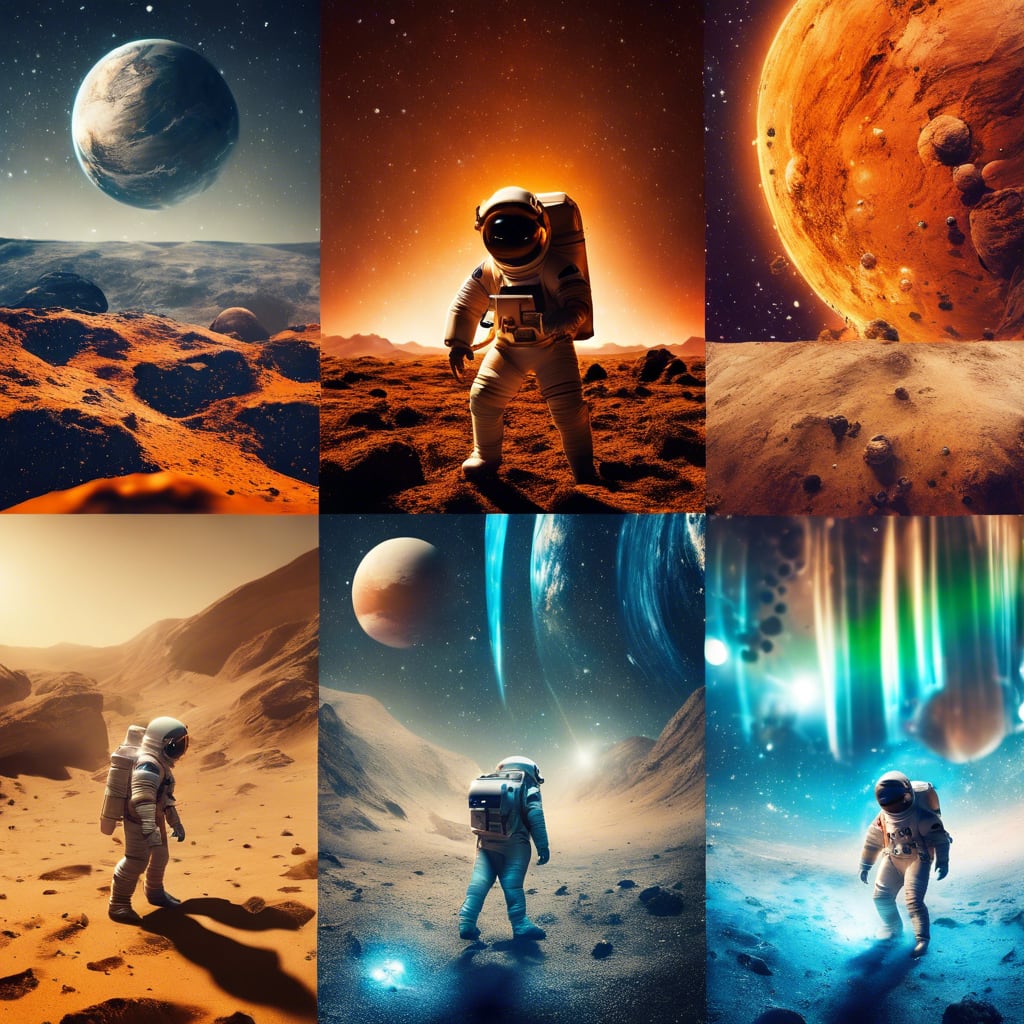
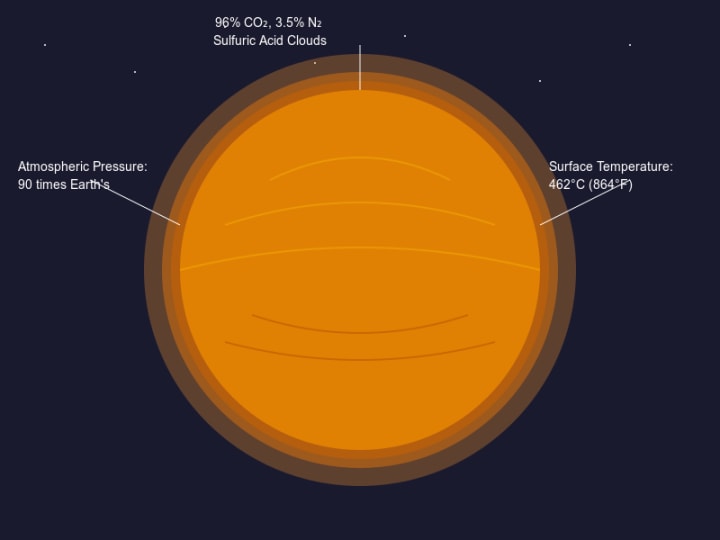
Landing on Venus would be a catastrophic experience. The planet's atmosphere is incredibly dense, exerting a pressure 92 times greater than that of Earth. This crushing force would reduce a human body to the equivalent of a crumpled plastic bottle within milliseconds. As the spacesuit fails, bodily fluids would boil due to the extreme pressure drop, leading to rapid unconsciousness and death in mere seconds.
Moreover, Venus is notorious for its scorching temperatures, reaching up to 465°C (869°F). This intense heat would cause immediate internal damage, boiling organs and leading to heatstroke within minutes. The combination of crushing pressure and unbearable heat renders Venus one of the deadliest locations in our solar system.
A Different Perspective: Understanding Planetary Conditions
While the thought of dying on Venus is horrifying, it also highlights the importance of understanding planetary conditions in our quest for exploration. The extreme environments found on Venus can teach us about planetary atmospheres and climate change, providing valuable insights into our own planet's future. By studying these hostile worlds, scientists can better comprehend how to protect Earth from similar fates.
The Cold Embrace of Mercury
In stark contrast to Venus, Mercury presents a chilling scenario for any unfortunate explorer. As the closest planet to the Sun, one might expect it to be scorching hot; however, its lack of atmosphere means that temperatures can plummet to -180°C (-290°F) during its night cycle. Hypothermia would set in quickly, leading to confusion and loss of motor function within minutes.

On Mercury's sunlit side, temperatures soar to 427°C (800°F), creating an environment where radiation burns could occur almost instantly. The duality of Mercury's climate illustrates how quickly conditions can change in space and emphasizes the need for robust protective measures for future missions.
A Different Perspective: The Dual Nature of Environments
Mercury's extreme temperature fluctuations serve as a reminder that our solar system is full of surprises. These conditions can inform future space missions by emphasizing the necessity for adaptable technology capable of withstanding diverse environments. Understanding how life might survive in such extremes could lead to breakthroughs in astrobiology.
Mars: Hope and Despair
Mars has long been considered a potential candidate for human colonization due to its similarities to Earth. However, it harbors dangers that are often overlooked. The thin atmosphere consists mostly of carbon dioxide, making it impossible to breathe without assistance from a spacesuit. A minor breach could lead to rapid decompression and ebullism—a condition where bodily fluids boil due to low pressure—resulting in death within minutes.
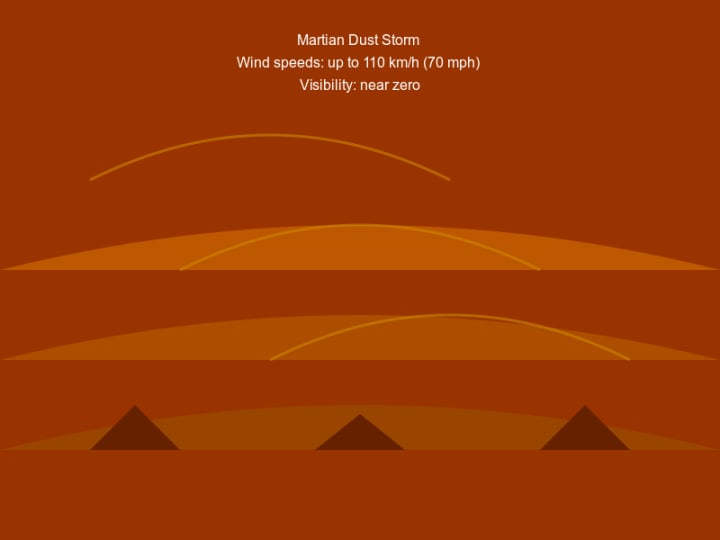
Additionally, Mars experiences frequent dust storms that can last for weeks or months, obscuring visibility and damaging equipment. These storms pose significant risks for explorers and illustrate that even seemingly habitable planets can be fraught with peril.
A Different Perspective: Resilience in Exploration
Despite its dangers, Mars continues to be a focal point for exploration due to its potential for past life and resources. The challenges presented by Mars encourage innovation in space travel technology and survival strategies. Each setback faced by explorers increases our understanding and resilience as we push further into the cosmos.
The Giants: Jupiter and Saturn
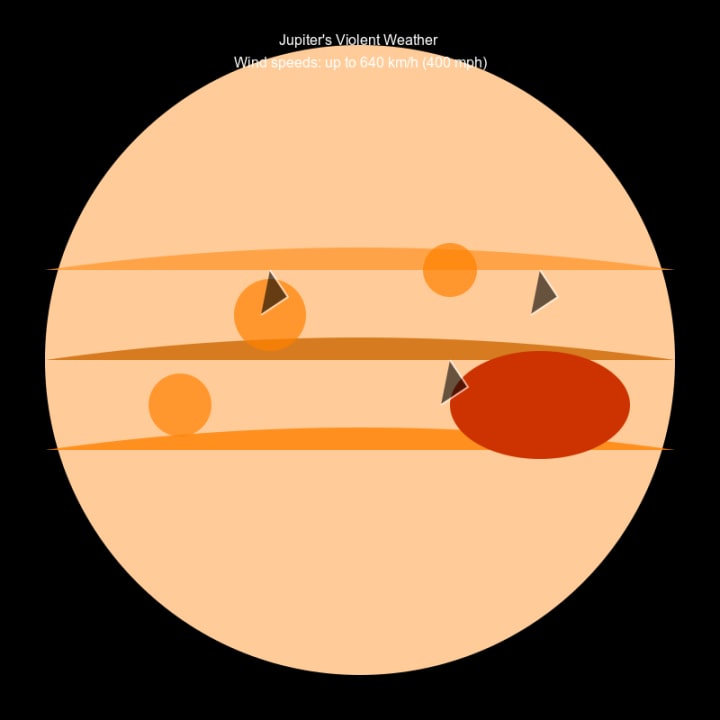
Jupiter, the largest planet in our solar system, presents unique threats due to its immense size and gaseous composition. There is no solid surface; instead, one would fall through layers of thick clouds filled with violent storms and powerful lightning strikes. The atmospheric pressure increases exponentially as one descends into Jupiter's depths, leading to inevitable suffocation or crushing death long before reaching any solid core.
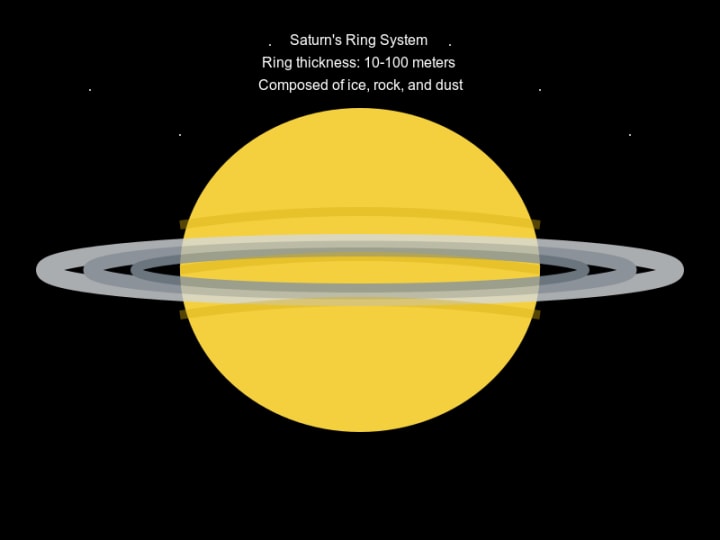
Similarly, Saturn's gaseous environment poses similar threats. Its stunning rings may captivate observers but offer no refuge from the harsh conditions below.
A Different Perspective: Understanding Gas Giants
Studying gas giants like Jupiter and Saturn provides insight into planetary formation and evolution. Their extreme environments challenge our understanding of physics and chemistry under high-pressure conditions. Knowledge gained from these studies could have implications beyond our solar system as we search for exoplanets capable of supporting life.
Conclusion: Embracing the Unknown
The thought of dying on another planet is undeniably unsettling; however, it serves as a poignant reminder of the fragility of life amid the vastness of space. Each planet presents unique challenges that highlight not only the dangers but also the potential for discovery and understanding.
As humanity continues its quest for exploration beyond Earth, we must embrace both the risks and rewards inherent in venturing into unknown territories. By acknowledging these realities, we can better prepare ourselves for future missions while fostering a deeper appreciation for our home planet—a fragile oasis in an otherwise hostile universe.
In this journey through cosmic death scenarios, we uncover not just what it means to die among the stars but also what it means to live with curiosity and courage in pursuit of knowledge beyond our earthly confines.
About the Creator
mayta emily
Hi! I'm a curious explorer of science, earth, politics, and fiction. I delve into scientific discoveries, complex ecosystems, and political dynamics, while also weaving speculative tales that challenge perspectives and spark imagination.
Keep reading
More stories from mayta emily and writers in Earth and other communities.
Confirmed: Earth Has a Second Amazon, It’s Underwater and Spans Six Countries
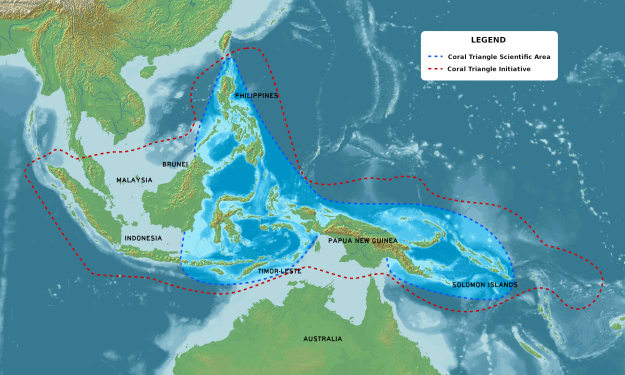
The Coral Triangle, often referred to as the "Amazon of the Seas," is a region renowned for its extraordinary marine biodiversity. Spanning six countries—Indonesia, Malaysia, Papua New Guinea, the Philippines, Solomon Islands, and Timor-Leste—this area is home to an impressive array of marine life, including 76% of the world’s coral species and a significant portion of global reef fish diversity. However, while the ecological importance of the Coral Triangle is widely acknowledged, it is crucial to explore a different perspective that emphasizes the socio-economic challenges faced by the region and the need for sustainable management practices.
By mayta emilyabout a year ago in Earth
Half of World’s CO2 Emissions Come From Just 32 Fossil Fuel Firms, Study Shows
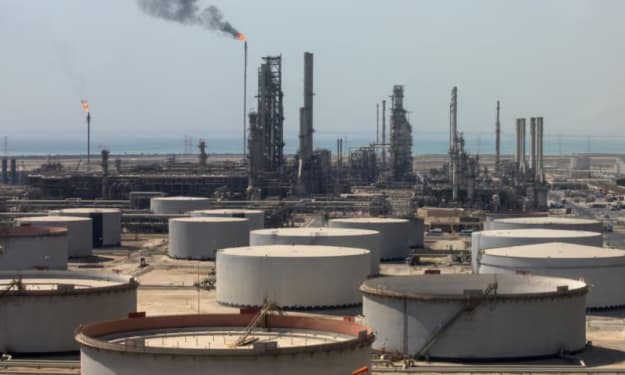
A groundbreaking new study has revealed that 32 fossil fuel companies are responsible for half of global carbon dioxide emissions since the industrial era began. The findings highlight the outsized influence of major oil, gas, and coal producers on climate change, and raise urgent questions about accountability, regulation, and the transition to cleaner energy.
By Aarif Lashari4 days ago in Earth
“Do Not Copy This Site’s Content”: Why Originality Matters More Than Ever in the Digital Age
“Do not copy this site’s content.” It’s a warning most internet users have seen countless times, often at the bottom of webpages or buried in terms and conditions. Many scroll past it without a second thought. But in today’s digital world, that simple sentence carries far more weight than people realize.
By Muhammad Hassanabout 9 hours ago in Earth

Comments
There are no comments for this story
Be the first to respond and start the conversation.