
Exploring the Fascinating World of Bioluminescence: Nature's Illuminating Marvels
Unveiling Nature's Dazzling Light Display: Discovering the Enigmatic World of Bioluminescence
Introduction:
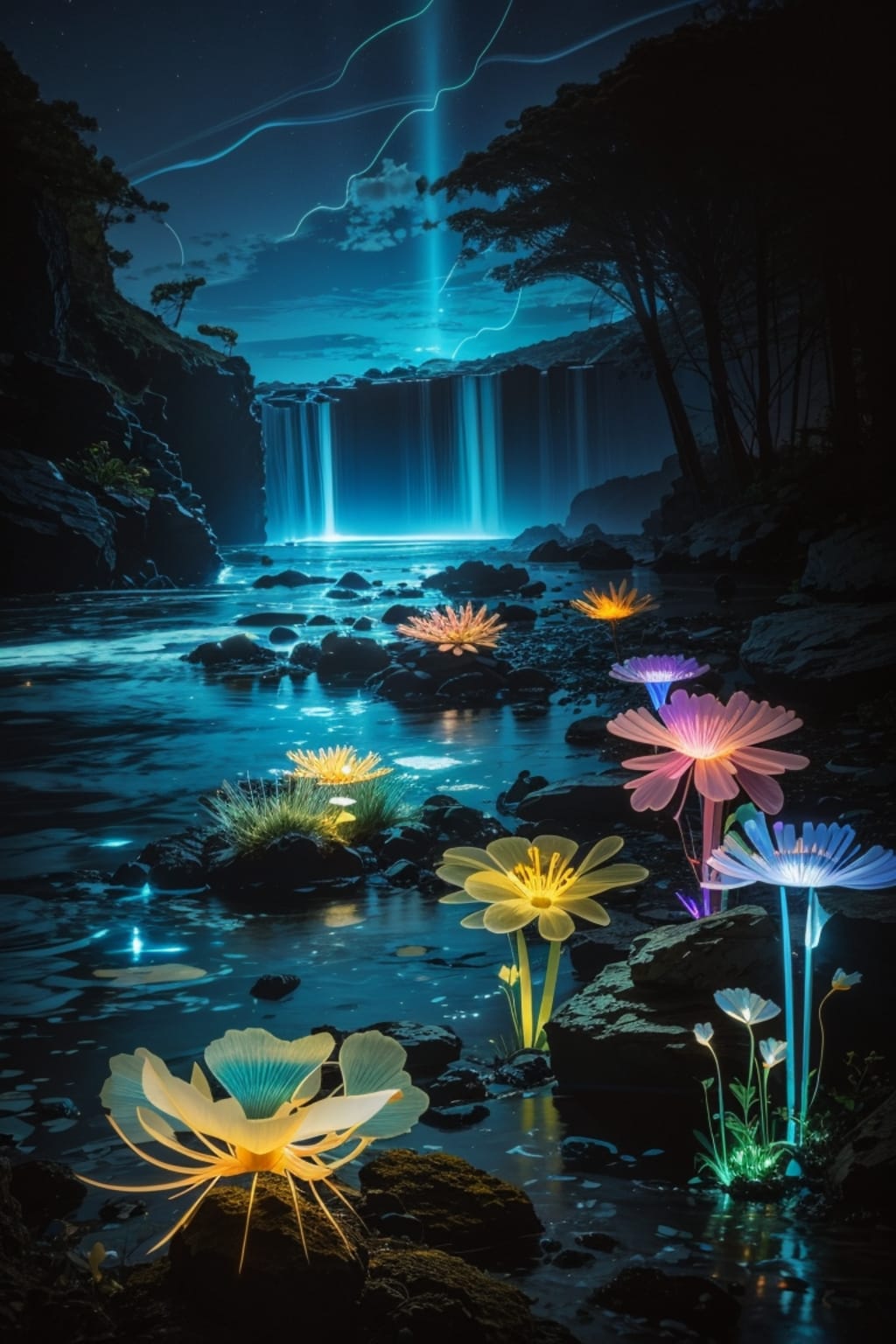
In the depths of the ocean, deep within forests, and even in our own backyards, there exists a phenomenon that captivates and mystifies: bioluminescence. From the soft glow of fireflies to the ethereal illumination of deep-sea creatures, bioluminescence is a natural marvel that has fascinated humans for centuries. In this article, we will delve into the captivating world of bioluminescence, exploring its biological mechanisms, ecological significance, the astonishing creatures that harness this extraordinary ability, and the potential applications of bioluminescence in various fields.
The Science Behind Bioluminescence:
Bioluminescence is the production and emission of light by living organisms. It occurs through a biochemical reaction that involves the interaction of an enzyme called luciferase and a substrate called luciferin. When luciferin is oxidized by luciferase, energy is released in the form of light.
Various organisms have evolved the ability to produce light, from tiny bacteria to large marine creatures. Bioluminescence serves different purposes in different species. For some, it acts as a means of communication, attracting mates or warning predators. Others use it to lure prey or camouflage themselves in their environment.
The chemical components involved in bioluminescence can vary between organisms. For example, in fireflies, luciferin combines with oxygen in the presence of luciferase and magnesium ions to produce light. In marine organisms, such as dinoflagellates and jellyfish, a different set of chemical reactions produces bioluminescence.
Bioluminescence in the Marine World:
The oceans are home to some of the most awe-inspiring displays of bioluminescence. Dinoflagellates, microscopic planktonic organisms, often create luminous trails as they move through the water, creating a mesmerizing spectacle known as "milky seas."
Deep-sea creatures, such as anglerfish and vampire squids, utilize bioluminescence to navigate, communicate, and lure prey. The mesmerizing light shows produced by these organisms have inspired scientists and artists alike. For example, the anglerfish possesses a bioluminescent lure dangling from its head, which it uses to attract smaller fish towards its sharp teeth.
One remarkable example of marine bioluminescence is the phenomenon known as "red tide." Certain species of dinoflagellates can cause the water to turn red during the day due to their abundance. At night, these same dinoflagellates exhibit bioluminescence, creating glowing waves and sparkling shores.
Terrestrial Bioluminescence:
While bioluminescence is commonly associated with marine environments, it also occurs in various terrestrial organisms. Fireflies, for instance, produce flashes of light through a chemical reaction to attract mates. The synchronized flashing displays of fireflies in certain regions have become a popular natural phenomenon.
Fungi, such as the glow-in-the-dark mushrooms, also exhibit bioluminescence. These mushrooms emit a soft greenish light, enchanting forest floors and captivating curious onlookers. Their bioluminescence is believed to attract insects, which aid in the dispersal of spores.
Bioluminescence and Scientific Applications:
Beyond its captivating beauty, bioluminescence has practical applications in scientific research. Scientists have harnessed the luciferase enzyme and luciferin substrate to develop bioluminescent reporters. These reporters act as indicators to study biological processes, such as gene expression and protein interactions. By introducing a gene for luciferase into living cells, scientists can visualize and track cellular activity with the emitted light.
Bioluminescent organisms are also being utilized in environmental monitoring. By genetically modifying certain bacteria or algae, researchers can create biosensors that detect pollutants or toxins, providing valuable insights into the health of ecosystems. The ability of bioluminescent organisms to respond to changes in their environment makes them effective indicators of ecological conditions.
Additionally, bioluminescence has inspired advancements in the field of medical imaging. Bioluminescent molecules can be used to track and monitor biological processes within the human body, aiding in the diagnosis and treatment of diseases.
Conclusion:
Bioluminescence remains one of nature's most extraordinary phenomena. Its ethereal glow not only illuminates the beauty of the natural world but also offers insights into the intricate biological mechanisms of living organisms. As we continue to explore and unravel the secrets of bioluminescence, we gain a deeper appreciation for the wonders and diversity of life on Earth, reminding us of the marvels that lie both within and beyond our sight.
About the Creator
Keep reading
More stories from Jemima Fraser and writers in Earth and other communities.
Achieving Optimal Health and Fitness: A Holistic Approach to Wellness
Introduction: In today's fast-paced world, maintaining optimal health and fitness has become more important than ever. A balanced and holistic approach to wellness encompasses not only physical fitness but also mental well-being and proper nutrition. In this article, we will explore the key pillars of health and fitness, providing insights and practical tips to help you lead a healthier and more fulfilling life.
By Jemima Fraser 3 years ago in Motivation
The Ritual of Winter Challenge Winners
As the chill of winter settles in, communities everywhere have been buzzing with anticipation for the results of the Ritual of Winter Challenge, an event that has become a highlight of the season for enthusiasts of all ages. From artists and writers to athletes and innovators, participants from across the country compete in a variety of categories, showing off not just talent, but ingenuity, perseverance, and a commitment to pushing boundaries. This year’s winners offer a glimpse into the creative and competitive spirit that makes this challenge such a standout experience.
By Muhammad Hassan2 days ago in Earth
Locked Exits, Panic, and Desperate Calls: Survivors Recount Mall Fire Horror
A tragic fire at a busy shopping mall has left the public in shock as survivors recount the harrowing moments when flames and smoke consumed the building. Eyewitness accounts describe locked exits, panicked crowds, and desperate calls for help, painting a chilling picture of the chaos inside.
By Muhammad Hassan5 days ago in Earth



Comments
There are no comments for this story
Be the first to respond and start the conversation.