
Experience the Spectacular Perseid Meteor Shower
Nature's Most Captivating Celestial Show

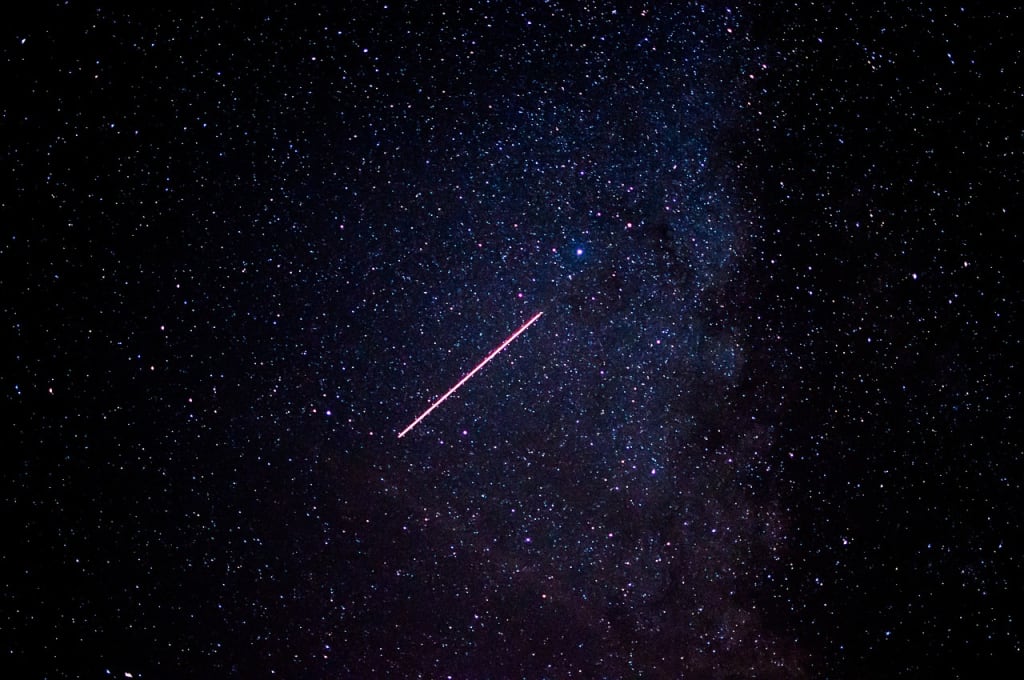
Introduction to the Perseid meteor shower
Imagine yourself under a star-studded sky, witnessing a celestial spectacle that leaves you awestruck. The Perseid meteor shower, one of the most anticipated astronomical events of the year, is a breathtaking display of nature's cosmic brilliance. As the Earth traverses through the dusty trail left by the comet Swift-Tuttle, you're treated to a mesmerizing show of shooting stars streaking across the heavens.
This celestial phenomenon has captivated stargazers for centuries, and its annual occurrence is a reminder of the universe's boundless beauty. Whether you're a seasoned skywatcher or a newcomer to the world of astronomy, the Perseid meteor shower promises an unforgettable experience that will leave you in awe.
In this comprehensive guide, we'll delve into the intricacies of this remarkable event, equipping you with the knowledge and tips to make the most of your Perseid meteor shower viewing experience. Get ready to embark on a cosmic adventure like no other!
What is the Perseid meteor shower?
The Perseid meteor shower is a yearly celestial event that occurs when the Earth passes through the debris field left behind by the comet 109P/Swift-Tuttle. As these particles, ranging in size from a grain of sand to a pebble, enter the Earth's atmosphere at staggering speeds, they burn up, creating brilliant streaks of light that we perceive as shooting stars.
These meteors, or shooting stars, appear to originate from the constellation Perseus, hence the name "Perseid." The Perseids are renowned for their consistent and reliable performance, often producing up to 60 to 100 meteors per hour during their peak activity.
When and where to see the Perseid meteor shower
The Perseid meteor shower typically occurs annually between July 17th and August 24th, with the peak activity usually occurring around mid-August. However, the specific dates and times for optimal viewing can vary slightly each year due to the Earth's position relative to the debris stream.
To witness the Perseid meteor shower in all its glory, you'll want to plan your stargazing adventure during the new moon phase, as the absence of moonlight provides the darkest skies, allowing for better visibility of the faint meteors. Additionally, the best viewing conditions are typically found in the pre-dawn hours, when the Earth's rotation aligns you with the direction of the meteor shower's radiant point.
While the Perseids are visible from various locations around the globe, certain regions offer more favorable conditions due to their lower light pollution levels and clearer skies. Some of the best places to observe the Perseid meteor shower include remote areas, national parks, and dark sky reserves.
Tips for viewing the Perseid meteor shower
To ensure an unforgettable Perseid meteor shower experience, follow these essential tips:
Choose a dark location: Light pollution can significantly diminish the visibility of meteors, so it's crucial to find a spot far away from city lights and artificial illumination.
Allow your eyes to adjust: Upon arriving at your chosen viewing site, give your eyes at least 20-30 minutes to fully adapt to the darkness. This will enhance your ability to detect even the faintest meteors.
Dress appropriately: Depending on your location, the nights can get chilly. Dress in layers and bring a comfortable chair or blanket to ensure a cozy viewing experience.
Be patient and persistent: While meteor showers can produce bursts of activity, there may also be lulls. Stay patient and keep your eyes peeled for those fleeting moments of celestial brilliance.
Use binoculars or telescopes sparingly: While these tools can enhance your viewing experience, they also limit your field of view. For the best meteor shower experience, rely primarily on your naked eyes.
Avoid bright lights: Minimize the use of flashlights or other sources of artificial light, as they can temporarily impair your night vision.
Enjoy the company: Invite friends or family members to join you in this celestial celebration, creating cherished memories under the stars.
How to photograph the Perseid meteor shower
Capturing the fleeting beauty of the Perseid meteor shower can be a rewarding and challenging experience for photographers. Here are some tips to help you capture stunning images of this celestial spectacle:
Equipment: Invest in a DSLR or mirrorless camera with manual controls, a wide-angle lens (14-24mm is ideal), a sturdy tripod, and a remote shutter release or intervalometer for long exposures.
Camera settings: Set your camera to manual mode, with an ISO between 800-3200 (depending on your camera's capabilities), a wide aperture (f/2.8 or lower), and a shutter speed of 15-30 seconds. Experiment with different settings to find the perfect balance between noise reduction and capturing the meteors' trails.
Focus and composition: Focus your lens to infinity, and compose your shot with an interesting foreground element to add depth and interest. Include recognizable landmarks or natural features to provide context.
Exposure technique: Use the "continuous shooting" or "bulb" mode to capture multiple exposures in quick succession, increasing your chances of capturing meteors.
Light painting: Consider using a flashlight or headlamp to gently illuminate the foreground during your long exposures, adding depth and dimension to your images.
Patience and persistence: Meteor shower photography requires a great deal of patience and persistence. Be prepared to spend several hours capturing images, as the meteors can be unpredictable.
Post-processing: Editing software like Adobe Lightroom or Photoshop can help you enhance your images, adjust exposure, and remove noise, resulting in stunning final images.
Remember, capturing the Perseid meteor shower requires practice, patience, and a willingness to experiment. With the right techniques and equipment, you can create stunning images that immortalize the fleeting beauty of this celestial event.
The Perseid meteor shower in 2024
The Perseid meteor shower is an annual event, and its peak activity in 2024 is expected to occur around August 12th and 13th. While the specific dates and times may vary slightly, the Perseids are known for their consistent and reliable performance, typically producing up to 60-100 meteors per hour during their peak.
In 2024, the moon will be in its waxing crescent phase during the peak of the Perseid meteor shower, which means its illumination will be minimal, providing excellent viewing conditions for stargazers. However, it's always advisable to check local weather forecasts and moon phases closer to the dates to ensure optimal viewing circumstances.
As the Earth passes through the debris field left behind by the comet 109P/Swift-Tuttle, stargazers around the world will have the opportunity to witness this celestial spectacle. The Perseids are visible from both the Northern and Southern Hemispheres, making it a truly global event.
To make the most of the 2024 Perseid meteor shower, plan your stargazing adventure well in advance. Choose a location with minimal light pollution, clear skies, and comfortable viewing conditions. Invite friends and family to join you in this cosmic celebration, creating cherished memories under the stars.
Remember, the Perseid meteor shower is a fleeting event, and its peak activity lasts only a few days. Mark your calendars and prepare to be dazzled by nature's most captivating celestial show in 2024.
Interesting facts about the Perseid meteor shower
The Perseid meteor shower is not only a visual delight but also a fascinating astronomical phenomenon with a rich history and intriguing facts. Here are some interesting tidbits about this celestial event:
Ancient origins: The Perseid meteor shower has been observed and recorded for centuries, with the earliest known accounts dating back to 36 AD in China.
Comet connection: The Perseid meteors originate from the debris trail left behind by the comet 109P/Swift-Tuttle, which orbits the Sun every 133 years.
Fireballs and earthgrazers: In addition to the regular meteors, the Perseids are known for producing spectacular fireballs (exceptionally bright meteors) and earthgrazers (meteors that appear to skim the Earth's atmosphere horizontally).
Peak activity fluctuations: While the Perseids typically produce around 60-100 meteors per hour during their peak, some years can experience outbursts or enhanced activity, with rates reaching up to 200 meteors per hour.
Radiant point: The Perseid meteors appear to radiate from the constellation Perseus, which is why they are named after it. However, they can be seen across the entire night sky.
Meteorite potential: While most Perseid meteors burn up in the Earth's atmosphere, some larger fragments can survive and reach the ground as meteorites.
Perseid meteor showers on other planets: The Perseid meteor shower is not exclusive to Earth. Other planets in our solar system, like Mars and Jupiter, also experience their own versions of the Perseid meteor shower.
Cultural significance: Throughout history, the Perseid meteor shower has held cultural and spiritual significance for various civilizations, often associated with beliefs, myths, and rituals.
Observational challenges: Despite being one of the most reliable and consistent meteor showers, the Perseids can be challenging to observe due to factors like light pollution, weather conditions, and the moon's phase.
Perseid meteor shower photography: The Perseid meteor shower has become a popular subject for astrophotographers, who capture stunning images of the meteors streaking across the night sky.
These fascinating facts not only add depth to your understanding of the Perseid meteor shower but also serve as conversation starters and trivia to share with fellow stargazers during your viewing experience.
Conclusion
The Perseid meteor shower is a celestial phenomenon that captivates stargazers around the world, offering a breathtaking display of nature's cosmic brilliance. By following the tips and insights provided in this comprehensive guide, you can embark on an unforgettable journey under the stars, witnessing the fleeting beauty of these shooting stars.
Remember, the key to a successful Perseid meteor shower viewing experience lies in preparation, patience, and a sense of wonder. Choose a dark location with minimal light pollution, equip yourself with the necessary knowledge and tools, and embrace the magic of this celestial spectacle.
As you gaze up at the night sky, allow yourself to be transported by the cosmic dance of the Perseid meteors. Share this experience with loved ones, creating cherished memories that will forever be etched in your mind. And remember, the universe is a vast and ever-unfolding canvas, offering countless opportunities to explore and marvel at its wonders.
Join the cosmic celebration and immerse yourself in the breathtaking beauty of the Perseid meteor shower. Whether you're a seasoned stargazer or a newcomer to the world of astronomy, this celestial event promises an unforgettable experience. Plan your viewing adventure today and witness nature's most captivating celestial show. Don't miss the opportunity to create lasting memories under the stars with your loved ones. Embrace the magic of the Perseids and let this cosmic spectacle ignite your sense of wonder and appreciation for the boundless beauty of the universe.
About the Creator
Kevin MacELwee
"Hello, my name is Kevin, a former electrician and construction worker now exploring online entrepreneurship. I'm passionate about animal welfare and inspired by 'Rich Dad Poor Dad' by Robert Kiyosaki. I also have a YouTube channel as well.
Keep reading
More stories from Kevin MacELwee and writers in Earth and other communities.
World's Rarest Whale Found on New Zealand Beach
Introduction to the world's rarest whale Imagine a creature so elusive and enigmatic that its mere existence has long been shrouded in mystery. This is the reality of the world's rarest whale, a species so enigmatic that even the most seasoned marine biologists have struggled to unravel its secrets. Until recently, encounters with this elusive leviathan were confined to the realm of legend, with only a handful of sightings and fragmentary evidence to fuel scientific curiosity.
By Kevin MacELweeabout a year ago in Earth
US Balks as UK and France Pledge Troops to Postwar Ukraine
As the war in Ukraine grinds on with no clear end in sight, the debate over what comes after the fighting has taken a sharper turn. The United States has signalled reluctance about committing troops to Ukraine once the war ends, even as the United Kingdom and France openly pledge to consider deploying forces in a postwar security role. The divergence has exposed differing strategic priorities among Western allies and raised new questions about how Ukraine’s future security will be guaranteed. While all three nations remain united in their support for Kyiv during the war, the emerging split over postwar troop commitments highlights the complexity of planning for peace in a conflict that continues to reshape Europe’s security landscape. What the UK and France Are Proposing British and French leaders have increasingly spoken about the need for long-term security arrangements for Ukraine once active hostilities end. Their position reflects a growing concern that any ceasefire or peace agreement could be fragile, leaving Ukraine vulnerable to renewed aggression. The idea under discussion is not a combat deployment in an active war zone, but rather a stabilisation or reassurance force. Such troops could help train Ukrainian forces, protect critical infrastructure, and serve as a visible deterrent against future attacks. Supporters argue that a limited but credible international presence would help ensure that any peace settlement is respected. For London and Paris, this approach fits within a broader European push to take more responsibility for continental security. Both governments see Ukraine not only as a partner but as a frontline state whose stability directly affects Europe as a whole. Why Washington Is Hesitant The United States, while remaining Ukraine’s most significant military backer during the war, has taken a more cautious stance on postwar troop deployments. American officials have stressed that there are no plans to send US forces into Ukraine, even after a potential peace agreement. This hesitation is rooted in several factors. First, Washington remains wary of any move that could risk a direct confrontation with Russia. Even in a postwar scenario, the presence of US troops on Ukrainian soil could be portrayed by Moscow as a provocation, escalating tensions rather than reducing them. Second, domestic considerations play a major role. After years of overseas military engagements, there is limited appetite among the American public and political class for new long-term deployments abroad, particularly in a region where risks remain high and outcomes uncertain. Finally, US strategy has increasingly emphasised supporting allies through funding, training, and equipment rather than large-scale troop commitments. From Washington’s perspective, enabling Ukraine to defend itself may be preferable to stationing American forces on the ground. A Question of Deterrence At the heart of the debate lies a fundamental question: what will actually deter future aggression against Ukraine? The UK and France appear to believe that a physical presence, however limited, would send a powerful signal of commitment. Troops on the ground would demonstrate that Ukraine’s security is directly tied to that of major European powers, raising the cost of any future attack. The US, by contrast, seems to place greater faith in alternative mechanisms such as long-term military aid, security guarantees, and sanctions frameworks. American officials argue that deterrence does not necessarily require boots on the ground, especially if Ukraine emerges from the war better armed and more integrated with Western institutions. This difference reflects broader strategic cultures. European powers, facing the immediate proximity of the conflict, may feel a stronger need for visible reassurance measures, while the US assesses risks from a more global perspective. Implications for NATO Unity Although Ukraine is not a NATO member, the discussion has clear implications for the alliance. Any deployment of UK or French troops would be closely scrutinised for what it means for NATO’s role and credibility. NATO operates on consensus, and the absence of US support for a postwar troop presence could complicate coordination. Even if London and Paris act independently or as part of a smaller coalition, questions would remain about command structures, rules of engagement, and the political backing required for such a mission. At the same time, the situation underscores a broader shift within NATO, with European members increasingly expected to shoulder more responsibility. If the UK and France proceed with their plans, it could mark a significant step toward a more autonomous European security posture. Ukraine’s Perspective For Kyiv, the debate is both encouraging and frustrating. On one hand, the willingness of major European powers to consider troop deployments signals long-term commitment and recognition of Ukraine’s security concerns. On the other hand, uncertainty from the US—Ukraine’s most powerful ally—adds another layer of unpredictability. Ukrainian leaders have consistently argued that security guarantees must be concrete, not symbolic. From their perspective, any postwar arrangement must ensure that Russia cannot simply regroup and strike again. Whether this is achieved through foreign troops, binding treaties, or accelerated integration with Western institutions remains an open question. What is clear is that Ukraine wants assurances that go beyond promises and declarations. The Risk of Mixed Signals One potential danger of the current divergence is the message it sends to Moscow. Differing positions among Western allies could be interpreted as hesitation or lack of unity, potentially weakening deterrence rather than strengthening it. At the same time, open debate is not necessarily a sign of weakness. Allies often disagree on tactics while remaining aligned on broader goals. The challenge will be ensuring that these differences do not undermine the core objective of securing a stable and sovereign Ukraine. Diplomats on both sides of the Atlantic are likely to continue working behind the scenes to narrow the gap, even if public statements suggest a clear divide. Looking Ahead The question of postwar Ukraine remains largely theoretical while fighting continues. Yet the discussion itself reveals how seriously Western governments are taking the long-term consequences of the conflict. The UK and France’s willingness to pledge troops reflects a belief that peace must be actively protected. The US reluctance highlights concerns about escalation, sustainability, and domestic support. Reconciling these approaches will be one of the most important diplomatic challenges once the guns eventually fall silent. For now, the disagreement does not signal a breakdown in alliance unity, but it does expose the difficult choices ahead. As the war continues, planning for peace is proving almost as complex—and politically sensitive—as managing the conflict itself.
By Muhammad Hassan3 days ago in Earth




Comments
There are no comments for this story
Be the first to respond and start the conversation.