
Environmental pollution : A looming threat to our planet !
"Unmasking the Silent Threat: Confronting Environmental Pollution"

Introduction:
Environmental pollution poses a significant and growing threat to the delicate balance of our planet's ecosystems. From air and water pollution to land degradation, this issue has far-reaching consequences for both human well-being and the natural world. In this article, we will explore the various forms of environmental pollution, their causes, and the urgent need for collective action to mitigate their impact.
Air Pollution:
Air pollution, primarily caused by the release of harmful gases and particulate matter into the atmosphere, is a major concern worldwide. The burning of fossil fuels in industries, transportation, and power generation is a significant contributor to air pollution. The emission of pollutants such as carbon dioxide, sulfur dioxide, nitrogen oxides, and particulate matter leads to smog, respiratory illnesses, and climate change. The impact of air pollution on human health and the environment necessitates stringent regulations and a transition to cleaner and renewable energy sources.
Water Pollution:
Water pollution is another critical environmental issue, affecting both freshwater and marine ecosystems. Industrial waste, agricultural runoff, improper waste disposal, and sewage discharge contaminate water bodies, rendering them unfit for human consumption and threatening aquatic life. Pollutants like heavy metals, pesticides, and pharmaceuticals find their way into our water sources, disrupting fragile ecosystems and endangering biodiversity. Proper wastewater treatment, responsible agricultural practices, and heightened public awareness are essential to combat water pollution.
Land Pollution:
Land pollution refers to the degradation of soil and land resources, primarily due to improper waste management, industrial activities, and indiscriminate disposal of hazardous substances. Landfills overflowing with non-biodegradable waste, soil contamination by chemicals and pollutants, and deforestation are some of the major contributors to this issue. Land pollution has far-reaching consequences, including soil infertility, loss of biodiversity, and the release of harmful substances into the environment. Adopting sustainable waste management practices, reforestation efforts, and promoting recycling can help mitigate land pollution.
Plastic Pollution (Word count: 130 words)
Plastic pollution has emerged as a significant environmental concern, with detrimental effects on both land and marine ecosystems. The widespread use of single-use plastics, improper disposal, and inadequate recycling infrastructure have led to the accumulation of plastic waste in landfills, rivers, and oceans. Marine life often mistakes plastic debris for food, resulting in entanglement and ingestion, leading to injury or death. Microplastics, tiny plastic particles that infiltrate water bodies and soil, have further escalated the issue. To address plastic pollution, concerted efforts are needed, such as promoting reusable alternatives, implementing bans on single-use plastics, improving waste management systems, and supporting innovative technologies for plastic recycling. By reducing plastic consumption and adopting sustainable practices, we can significantly curb plastic pollution and protect our fragile ecosystems.
Noise Pollution:
Noise pollution, often overlooked but equally significant, has detrimental effects on human health and well-being. Urbanization, transportation, and industrial activities contribute to excessive noise levels in residential areas. Prolonged exposure to noise pollution can lead to stress, hearing loss, sleep disturbances, and impaired cognitive function. Implementing noise control measures, creating green spaces, and designing urban areas with noise reduction in mind are crucial steps towards reducing noise pollution.
Plastic Pollution:
The proliferation of plastic waste has emerged as a global environmental crisis. Single-use plastics, such as bottles, bags, and packaging materials, accumulate in landfills and find their way into oceans and water bodies. Marine life suffers immensely from plastic pollution, with devastating consequences such as entanglement, ingestion, and habitat destruction. To address this issue, it is essential to promote recycling, reduce plastic consumption, and develop sustainable alternatives.
Conclusion:
Environmental pollution is a pressing global issue that demands immediate attention and collective action. The consequences of pollution on human health, biodiversity, and the planet's overall well-being are undeniable. Governments, industries, communities, and individuals all play a crucial role in addressing and mitigating pollution through sustainable practices, technological advancements, and policy interventions. By recognizing the urgency of the situation and working together, we can create a cleaner and healthier environment for present and future generations to thrive. Let us embrace our responsibility as custodians of the Earth and strive for a sustainable and pollution-free world.
About the Creator
Keep reading
More stories from Universal Gamer and writers in Earth and other communities.
Environmental pollution : " A looming threat to our planet "
Title: Environmental Pollution: A Looming Crisis Demanding Urgent Action Introduction (Word count: 70 words) Environmental pollution has emerged as one of the most pressing global challenges of our time. The unchecked growth of industries, unrestrained consumption patterns, and inadequate waste management practices have wreaked havoc on our planet's delicate ecosystems. With adverse effects ranging from air and water pollution to climate change and biodiversity loss, it is crucial to recognize the urgency of this crisis and take immediate action to mitigate its devastating consequences.
By Universal Gamer3 years ago in Earth
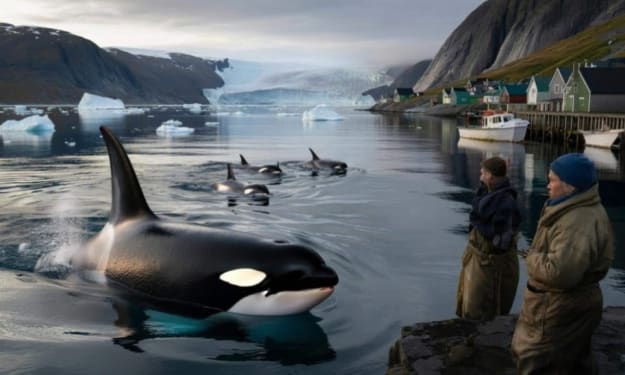
Greenland Declares State of Emergency as Scientists Link the Growing Presence of Orcas to Accelerating Ice Melt
In a landmark decision that reflects the intensifying impacts of climate change, the government of Greenland has officially declared a state of environmental emergency—a rare and solemn move that underscores the accelerating transformation of Arctic ecosystems. The catalyst for this declaration? An unusual and growing presence of orcas—also known as killer whales—in waters once locked in sea ice, a phenomenon scientists say reveals the alarming scale of ice melt in the region.
By Sadaqat Alia day ago in Earth
Clintons to Testify in Epstein Inquiry
Reports that former U.S. President Bill Clinton and former Secretary of State Hillary Clinton could testify in an inquiry related to Jeffrey Epstein have sparked widespread international attention. The inquiry is part of ongoing efforts by authorities and investigators to understand the full scope of Epstein’s network, financial dealings, and connections with high-profile individuals.
By Aarif Lashari6 days ago in Earth
Should We Not Try to Get Too Political?
Here's something you often hear people say, "I try not to get too political." I understand the sentiment and I sympathize with it... while at the same exact time, I completely disagree with the notion. Whether it's referring to social media or wherever, it's kind of unavoidable. You can attempt to sidestep it, not engage, leave the less important things for actual politicians to discuss... you can want it to not take over your life, your conversations, your relationships, and that makes perfect sense.
By Stephen Kramer Avitabile4 days ago in Writers



Comments
There are no comments for this story
Be the first to respond and start the conversation.