
Environmental justice and equity.
Discuss the emotional toll of environmental injustices, particularly on marginalized communities. Explore the anger.

In the heart of a bustling city, nestled between towering skyscrapers and the constant hum of traffic, lay a neighborhood that had long been forgotten. The air was thick with the stench of pollution, and the once vibrant streets were now lined with dilapidated buildings and neglected parks. This was the home of Maria, a young woman whose life had been deeply impacted by the environmental injustices she faced.
Maria had grown up in this community, surrounded by a tight-knit group of families who shared in their struggles. For as long as she could remember, they had battled against the toxic waste that contaminated their air and water. The asthma rates were alarmingly high, with many children and elders falling ill and struggling to breathe.
As a child, Maria had spent countless nights lying awake, listening to the wheezes and coughs that filled her home. Each raspy breath was a painful reminder of the injustice that had plagued her community. Anger simmered within her, fueling a determination to fight for a better future.
One sweltering summer, the city faced a heatwave like never before. The asphalt seemed to melt beneath Maria's feet, and the suffocating air hung heavy around her. Seeking relief, she walked to the nearby park, hoping to find solace in the shade of the trees. But what she found instead was devastation.
The once lush green space was now a barren wasteland, its trees hacked down to make way for yet another concrete structure. The playground where she had once laughed and played was now abandoned, the swings and slides rusted and broken. Tears welled up in Maria's eyes as she realized that her community had once again been overlooked and neglected.
Unable to contain her anger any longer, Maria decided to take a stand. She joined forces with other passionate individuals from her neighborhood, forming a grassroots organization dedicated to fighting for environmental justice. They rallied their community, determined to make their voices heard.
Together, they attended town hall meetings and public hearings, speaking out against the environmental injustices that had plagued their lives for far too long. Maria's voice trembled with emotion as she recounted the stories of her neighbors, sharing the struggles and suffering they had endured. The room fell silent, and for a moment, it seemed as though change might finally be within reach.
But change did not come easily. The path to justice was fraught with obstacles and indifference. Maria and her community faced skepticism, dismissed as mere complainers by those in positions of power. The weight of disappointment bore down on Maria's shoulders, threatening to snuff out the flickering flame of hope within her.
Yet, despite the setbacks, Maria persevered. She refused to be silenced, knowing that her community deserved better. She organized protests and awareness campaigns, rallying support from environmental activists and allies who believed in their cause. Her voice grew louder, fueled not only by anger but also by a deep sense of love and compassion for her community.
Years passed, and slowly but surely, change began to take hold. Policies were implemented to address the environmental injustices that had plagued Maria's neighborhood for far too long. The toxic waste sites were cleaned up, and green spaces were revitalized. The wheezes and coughs that had haunted Maria's childhood were gradually replaced by laughter and the sound of children playing freely.
As Maria looked around her revitalized community, she felt a sense of triumph, knowing that her relentless pursuit of justice had not been in vain. The anger that once consumed her had transformed into a deep sense of empowerment, fueling her passion to continue fighting for environmental equity.
Maria's story serves as a reminder that environmental injustices carry an emotional toll that can ignite a fire within individuals and communities. Anger can be a powerful catalyst for change.
Individual and government responsibilities are crucial in achieving environmental justice and equity. Both have distinct roles to play in addressing the inequalities and injustices that arise from environmental issues.
On an individual level, it is essential for people to recognize their impact on the environment and take steps towards sustainable living. This includes adopting environmentally friendly practices, such as conserving energy, reducing waste, and making conscious choices in consumption. Individuals can also educate themselves about the environmental challenges faced by marginalized communities and show support for initiatives that promote justice and equality.
Moreover, individuals can actively engage in community efforts, joining grassroots organizations, and participating in public hearings and town hall meetings to advocate for environmental justice. By amplifying their voices, sharing personal stories, and demanding accountability from policymakers, individuals can help bring about meaningful change.
However, the responsibility does not solely rest on the shoulders of individuals. Governments also play a vital role in promoting environmental justice and equity. They have the power to enact policies, regulations, and laws that address the disproportionate impact of environmental issues on marginalized communities. This includes ensuring access to clean air, water, and safe living conditions for all citizens.
Government responsibilities extend beyond regulation. They should actively engage with communities affected by environmental injustices, seeking input and involving them in decision-making processes. This includes recognizing and valuing the traditional knowledge and practices of indigenous communities, whose close relationship with the environment can provide valuable insights for sustainable solutions.
Additionally, governments should allocate resources to uplift and empower marginalized communities disproportionately affected by environmental challenges. This can be done through targeted investments in infrastructure, education, and job opportunities that prioritize sustainable development and mitigate environmental harm.
Furthermore, governments should foster transparency and accountability, ensuring that industries and corporations are held responsible for their environmental impact. This includes enforcing regulations, monitoring compliance, and imposing penalties for violations. Governments can also support initiatives that promote environmental education and awareness, encouraging citizens to become active participants in sustainable practices.
The collaboration between individuals and governments is crucial in addressing environmental justice and equity. It requires a shared understanding of the interconnectedness of social, economic, and environmental factors, and a commitment to rectifying the injustices faced by marginalized communities. By working hand in hand, individuals and governments can create a more just and equitable society, where everyone has the right to a clean and healthy environment.
About the Creator
Keep reading
More stories from writers in Earth and other communities.
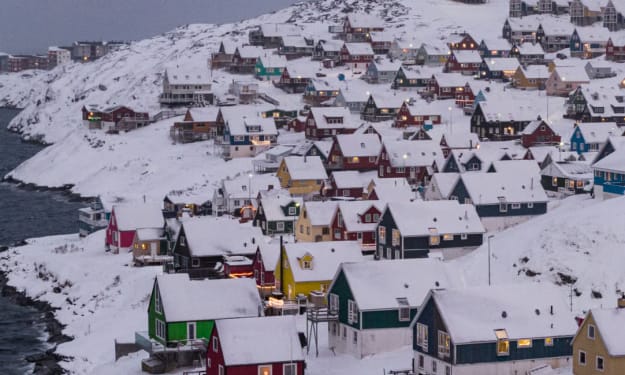
For Russia, Greenland Offers an ‘Ideal Solution’ to Its Ukraine Problem
In the complex chessboard of global geopolitics, some developments become unexpectedly powerful tools. One such flashpoint today is Greenland — the icy Arctic territory of Denmark that has suddenly captured international attention. While the world focuses on former U.S. President Donald Trump’s renewed interest in Greenland, Moscow is quietly calculating how this turmoil could serve its broader interests, particularly in the context of the war in Ukraine.
By Muhammad Hassan6 days ago in Earth
FPS: Roots and Branches Challenge Winners
The FPS: Roots and Branches Challenge has wrapped up, and gaming enthusiasts around the world are celebrating the winners of this exciting and competitive event. From showcasing incredible skill to creative problem-solving, participants pushed their limits, making the challenge a true testament to the evolving world of first-person shooter (FPS) games.
By Aarif Lashari7 days ago in Earth
The Duelist
The rays of a dying red sun flashed against the onrushing blade. The grey beards say the key to dueling lies in size, speed, reach, righteous fury, whatever the person in front of them pays them to say. Matteo knew better than any it was none of these and had an undefeated record on these sands to prove it.
By Matthew J. Frommabout 4 hours ago in Fiction



Comments
There are no comments for this story
Be the first to respond and start the conversation.