
Environmental degradation
The environmental degradation in our society today

Environmental degradation refers to the deterioration of the environment through various human activities. It is a pressing issue that affects our planet and all living beings.
One major cause of environmental degradation is pollution. Pollution can take many forms, such as air pollution, water pollution, and soil pollution. Air pollution occurs when harmful gases and particles are released into the atmosphere, often as a result of industrial activities and the burning of fossil fuels. This leads to the formation of smog and contributes to climate change. Water pollution, on the other hand, happens when contaminants are discharged into bodies of water, making them unsafe for both humans and wildlife. Soil pollution occurs when harmful chemicals, such as pesticides and fertilizers, seep into the soil, affecting its fertility and the health of plants and animals.
Another significant factor contributing to environmental degradation is deforestation. Forests play a crucial role in maintaining the balance of ecosystems and regulating the climate. However, large-scale deforestation for agriculture, logging, and urbanization has led to the loss of millions of hectares of forested land. This not only disrupts habitats for countless species but also contributes to climate change, as trees absorb carbon dioxide and release oxygen.
Climate change itself is a major consequence of environmental degradation. The burning of fossil fuels, deforestation, and industrial activities release greenhouse gases into the atmosphere, trapping heat and causing the Earth's temperature to rise. This leads to a range of negative impacts, including more frequent and severe natural disasters, rising sea levels, and the loss of biodiversity. Climate change also poses significant risks to human health, food security, and water resources.
Overconsumption and waste generation are additional factors that contribute to environmental degradation. Our society's demand for resources, such as energy, water, and raw materials, has put immense pressure on the environment. The extraction and production of these resources often result in pollution and habitat destruction. Moreover, the excessive consumption of goods leads to the generation of vast amounts of waste, much of which ends up in landfills or pollutes our oceans and rivers.
To address environmental degradation, it is crucial for individuals, communities, governments, and businesses to take action. This can include adopting sustainable practices, such as reducing energy consumption, recycling, and using renewable energy sources. Governments can implement policies and regulations to protect the environment, promote sustainable development, and encourage the transition to a low-carbon economy. Businesses can also play a significant role by adopting environmentally friendly practices and investing in clean technologies.
In conclusion, environmental degradation is a pressing issue in our society today. Pollution, deforestation, climate change, overconsumption, and waste generation are all contributing factors. However, by raising awareness, taking individual and collective action, and implementing sustainable practices, we can work towards mitigating and reversing the damage done to our environment. It is crucial that we prioritize the health of our planet for the well-being of current and future generations.
Certainly! When it comes to environmental degradation, there are several human factors that contribute to this issue in our society today. One of the main factors is industrialization and the subsequent increase in pollution. As industries continue to grow and expand, they often release harmful pollutants into the air, water, and soil. These pollutants can have detrimental effects on ecosystems, wildlife, and human health.
Another human factor is deforestation. As the demand for timber, agricultural land, and urban development increases, forests are being cleared at an alarming rate. This not only leads to the loss of biodiversity but also contributes to climate change. Forests act as carbon sinks, absorbing carbon dioxide from the atmosphere. When they are destroyed, this carbon is released back into the atmosphere, exacerbating the greenhouse effect.
Overconsumption and waste generation are also significant human factors in environmental degradation. Our society has become increasingly consumer-driven, leading to the extraction of finite resources at an unsustainable rate. Additionally, the production and disposal of goods result in large amounts of waste, much of which ends up in landfills or pollutes our oceans and waterways.
Furthermore, the reliance on fossil fuels for energy production is a major contributor to environmental degradation. Burning fossil fuels releases greenhouse gases, such as carbon dioxide, into the atmosphere, which contributes to global warming and climate change. The extraction and transportation of these fuels also have negative impacts on ecosystems and local communities.
Agricultural practices, particularly intensive farming methods, also play a role in environmental degradation. The use of chemical fertilizers and pesticides can contaminate soil and water sources, harming both wildlife and human health. Additionally, the expansion of agricultural land often leads to the destruction of natural habitats and the loss of biodiversity.
Lastly, the lack of awareness and education about environmental issues is a significant human factor in environmental degradation. Many people are unaware of the consequences of their actions or simply do not have access to information about sustainable practices. This lack of knowledge and understanding hinders efforts to address and mitigate environmental degradation.
In conclusion, environmental degradation in our society today is largely influenced by human factors such as industrialization, deforestation, overconsumption, reliance on fossil fuels, unsustainable agricultural practices, and lack of awareness. Addressing these factors and promoting sustainable practices is crucial for mitigating the negative impacts on our environment and ensuring a sustainable future for generations to come.
About the Creator
Reader insights
Nice work
Very well written. Keep up the good work!
Top insight
Heartfelt and relatable
The story invoked strong personal emotions
Keep reading
More stories from writers in Earth and other communities.
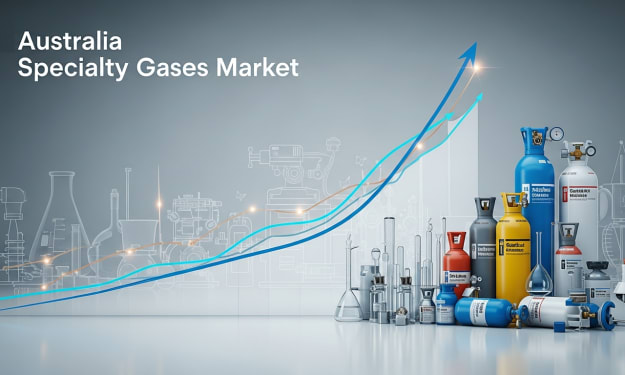
Australia Specialty Gases Market: Industrial Applications, High-Purity Demand & Technology Growth
Australia Specialty Gases Market Overview The Australia specialty gases market is developing steadily as industries increasingly require high-purity and precisely formulated gases for advanced manufacturing, healthcare, environmental monitoring and research applications. Specialty gases include ultra-high-purity gases, calibration gases and gas mixtures designed to meet strict quality and performance specifications. These products are used in applications where consistency, accuracy and contamination control are critical. The Australia specialty gases market growth reached USD 168.4 Million in 2025. Looking forward, IMARC Group expects the market to reach USD 290.2 Million by 2034, exhibiting a growth rate (CAGR) of 6.24% during 2026-2034. This growth reflects gradual expansion of technology-driven industries and rising emphasis on quality standards.
By Amyra Singha day ago in Earth
After the Storm
After the storm of winter snow there sat a small bear by the name Ted, of course. He loves the snow and likes to roll around in it making all sorts of trails and whatever he has a mind to do. He wondered where all the people are, but in a way, he is hoping that they are all snug in the homes maybe drinking hot chocolate-one of his favorite drinks with mini-marshmallows and eating something homemade for he likes this winter wonderland all to himself to romp and play and maybe even catch some fish down by the river.
By Mark Graham5 days ago in Fiction



Comments (1)
Very informative