
Environmental challenges face by earth
environmental challenges that have the potential to impact ecosystems, biodiversity, and human well-being.
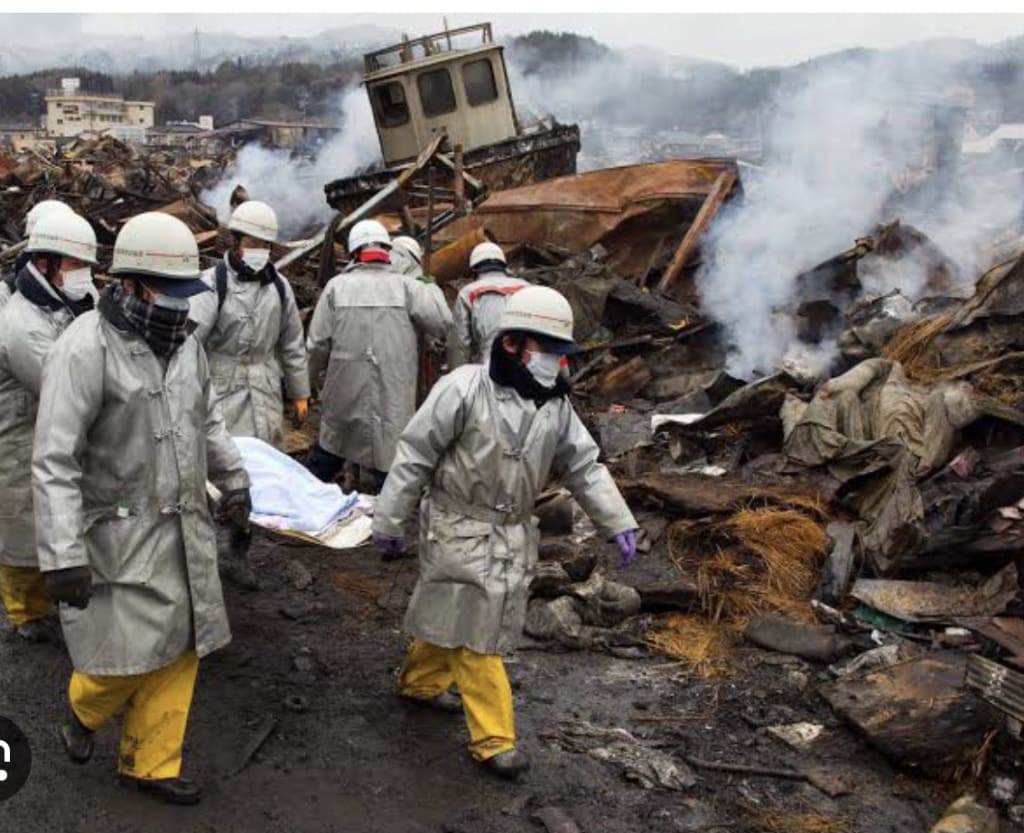
The Earth is currently facing several significant environmental challenges that have the potential to impact ecosystems, biodiversity, and human well-being. Here are some of the key challenges:
Climate Change: Perhaps the most pressing environmental challenge, climate change is caused by the increase in greenhouse gas emissions, primarily carbon dioxide, resulting from human activities such as burning fossil fuels and deforestation. It leads to rising global temperatures, sea-level rise, extreme weather events, and disruptions to ecosystems and agriculture.
Deforestation: Deforestation involves the clearing of forests, primarily for agricultural purposes, urbanization, and the production of commodities such as palm oil, soy, and timber. It leads to habitat loss, increased carbon dioxide levels, soil erosion, and a decline in biodiversity.
Loss of Biodiversity: Human activities, including habitat destruction, pollution, overexploitation of natural resources, and climate change, are causing a rapid loss of biodiversity worldwide. This loss has significant implications for the functioning of ecosystems, as well as potential impacts on food security, medicine, and overall ecosystem stability.
Water Scarcity: Increasing population, industrialization, and changing weather patterns are placing a strain on global water resources. Many regions around the world are already experiencing water scarcity, which can lead to conflicts, agricultural challenges, and limited access to clean drinking water.
Air Pollution: Emissions from industrial processes, transportation, and the burning of fossil fuels contribute to air pollution, causing respiratory problems, cardiovascular diseases, and environmental degradation. Particulate matter, nitrogen oxides, sulfur dioxide, and volatile organic compounds are among the pollutants of concern.
Plastic Pollution: The widespread use of single-use plastics and inadequate waste management systems have led to a significant accumulation of plastic waste in landfills, oceans, and other natural environments. This pollution harms marine life, disrupts ecosystems, and poses risks to human health.
Land Degradation: Unsustainable agricultural practices, deforestation, urbanization, and mining activities contribute to land degradation. This includes soil erosion, desertification, and the loss of fertile land, which can have severe consequences for agriculture, food security, and ecosystem stability.
Addressing these environmental challenges requires global cooperation, sustainable practices, technological innovations, and policy changes. Efforts are underway at various levels to mitigate these challenges and transition to a more sustainable future, including the adoption of renewable energy sources, conservation initiatives, sustainable agriculture practices, waste management strategies, and international agreements such as the Paris Agreement on climate changeEnvironmental challenges pose significant threats to ecosystems, biodiversity, and human well-being. The complex interactions between humans and the environment have resulted in various pressing issues that require immediate attention. These challenges range from climate change and habitat loss to pollution and resource depletion, all of which can have profound impacts on the delicate balance of ecosystems and the well-being of both wildlife and humans.
Climate change is one of the most critical environmental challenges facing the world today. Rising global temperatures, attributed to increased greenhouse gas emissions, lead to a cascade of negative effects. Changing weather patterns, such as extreme heatwaves, droughts, and floods, disrupt ecosystems and agricultural productivity, endangering both plant and animal species. Additionally, rising sea levels threaten coastal habitats, increasing the risk of flooding and erosion, and impacting human settlements and infrastructure.
Habitat loss and fragmentation are other significant challenges. The expansion of human activities, such as urbanization, agriculture, and deforestation, leads to the destruction and fragmentation of natural habitats. This loss of habitat threatens the survival of numerous species, particularly those with specialized habitat requirements. The destruction of forests, in particular, contributes to the loss of biodiversity and disrupts the balance of ecosystems, affecting essential ecological processes like pollination and nutrient cycling.
Pollution, in its various forms, poses significant threats to ecosystems and human health. Air pollution from industrial emissions, vehicle exhausts, and burning fossil fuels contributes to respiratory problems, cardiovascular diseases, and premature deaths. Water pollution from industrial waste, agricultural runoff, and improper disposal of chemicals contaminates freshwater sources, harming aquatic life and compromising access to clean drinking water. Land pollution from improper waste management and the accumulation of plastic waste affects soil quality, endangers wildlife, and can enter the food chain, posing risks to human health.
Resource depletion is another challenge with profound implications for ecosystems and human well-being. Overexploitation of natural resources, such as overfishing, deforestation for timber and agriculture, and extraction of fossil fuels, disrupts ecological balances. It threatens the survival of numerous species, degrades ecosystems, and exacerbates climate change. Moreover, resource depletion can lead to social and economic instabilities, as communities that rely on these resources suffer from economic hardships and loss of livelihoods.
The impacts of these environmental challenges are not limited to ecosystems and biodiversity; they also directly affect human well-being. Ecosystem services, such as clean air and water, pollination, climate regulation, and natural disaster mitigation, are essential for human survival and quality of life. Disruptions to these services can result in adverse health effects, food and water scarcity, increased vulnerability to natural disasters, and economic losses. Furthermore, the loss of biodiversity reduces the availability of genetic resources that are crucial for medical and scientific advancements.
Addressing these environmental challenges requires collective action at local, national, and global levels. Efforts should focus on transitioning to sustainable and low-carbon economies, promoting renewable energy sources, implementing effective land-use planning, adopting sustainable agricultural practices, and investing in conservation and restoration initiatives. International cooperation, policy changes, public awareness, and individual actions are all necessary to mitigate the impacts of these challenges and safeguard ecosystems, biodiversity, and human well-being for future generations.
About the Creator
Keep reading
More stories from writers in Earth and other communities.
Sea Levels Are Rising Across the World. But in Greenland, Scientists Say They’re About to Fall
When it comes to climate change, one of the clearest signs has been rising sea levels worldwide. From the melting ice sheets of Antarctica to flooding in coastal cities, the narrative has been straightforward: global temperatures rise, ice melts, and oceans expand.
By Aarif Lashari3 days ago in Earth
Australia Glamping Market: Nature Tourism, Sustainable Stays & Experience-Led Travel
Australia Glamping Market Overview The Australia glamping market is developing as travelers increasingly seek accommodation that combines outdoor experiences with modern comfort. The Australia glamping market share was valued at USD 110.5 Million in 2025. Looking forward, IMARC Group estimates the market to reach USD 304.3 Million by 2034, exhibiting a CAGR of 11.91% from 2026-2034.This growth reflects broader shifts in tourism preferences toward nature-based, experience-led and environmentally conscious travel.
By Amyra Singh4 days ago in Earth


Comments (2)
Nice thought
Very nice work