
Environment awareness
Nurturing Environmental Awareness: Protecting Our Planet for Future Generations

In today's rapidly changing world, environmental awareness has become a crucial aspect of our daily lives. The impact of human activities on the planet has led to grave consequences, including climate change, habitat loss, and pollution. It is imperative that we promote a greater understanding and consciousness of our environment to ensure a sustainable future for generations to come.
Understanding the Issues:
Environmental awareness begins with recognizing the challenges our planet faces. Climate change, driven by greenhouse gas emissions, is causing rising temperatures, extreme weather events, and the loss of biodiversity. Deforestation threatens fragile ecosystems and disrupts the balance of nature. Pollution, from plastic waste to industrial emissions, poses severe risks to both terrestrial and aquatic life. By educating ourselves about these issues, we can grasp the urgency and gravity of the situation.
The Power of Individual Action:
While global problems may seem overwhelming, each one of us possesses the power to make a difference through our everyday choices. Simple lifestyle changes, such as conserving energy, reducing waste, and embracing sustainable practices, can collectively have a significant impact. By being mindful consumers and opting for eco-friendly products, we support businesses that prioritize the well-being of the environment. Additionally, reducing single-use plastics, recycling, and supporting renewable energy sources are steps within everyone's reach.
Advocacy and Collective Action:
Individual efforts, while essential, are not enough on their own. We must also champion broader societal changes. This involves advocating for environmentally-friendly policies, supporting organizations dedicated to conservation, and pressuring industries to adopt sustainable practices. Encouraging governments to invest in renewable energies, protecting natural habitats, and implementing stricter environmental regulations are key avenues for achieving lasting change.
Education and Awareness:
To create a sustainable future, it is vital to instill environmental awareness from an early age. Education plays a fundamental role in fostering empathy and understanding towards the natural world. Schools and communities should prioritize environmental education, encouraging students to connect with nature, learn about biodiversity, and develop a sense of responsibility towards the planet. By nurturing this awareness early on, we empower young minds to become proactive stewards of the environment.
Building a Connection with Nature:
One of the most effective ways to cultivate environmental awareness is by spending time outdoors and experiencing the beauty of the natural world firsthand. Immersed in nature, we gain a deeper appreciation for its intricate balance and the significance of its preservation. Whether through outdoor activities, gardening, or wildlife observation, connecting with nature generates a sense of gratitude and a desire to protect it.
Conclusion:
Environmental awareness is no longer an option; it is an urgent necessity. By understanding the environmental challenges we face, making sustainable choices, advocating for change, and nurturing a connection with nature, we can create a positive impact on our planet. Let us embrace the responsibility to protect our environment, working together to leave a healthy and vibrant planet for future generations.1. Education and Awareness: Promote environmental education in schools and communities to raise awareness about the importance of environmental protection. Teach children and adults about climate change, biodiversity, conservation practices, and the consequences of human actions on the environment.
2. Sustainable Lifestyle Choices: Encourage individuals to adopt sustainable habits and practices, such as conserving energy, reducing water consumption, minimizing waste, and supporting local and organic food production. Promote the use of eco-friendly products and alternative transportation methods like biking or using public transport.
3. Recycling and Waste Management: Increase recycling programs and provide accessible recycling facilities in communities. Educate people about proper waste segregation and the importance of reducing single-use plastics. Support initiatives for composting and encourage the use of reusable items instead of disposable ones.
4. Conservation and Preservation: Focus on protecting natural habitats and endangered species. Support organizations and initiatives dedicated to nature conservation, reforestation, and restoring damaged ecosystems. Encourage sustainable land management practices and the preservation of biodiversity-rich areas.
5. Renewable Energy Transition: Advocate for the use of renewable energy sources like solar and wind power. Encourage governments and businesses to invest in clean energy infrastructure and prioritize the reduction of greenhouse gas emissions.
6. Policy and Advocacy: Engage in local and global movements advocating for stronger environmental regulations and policies. Support initiatives that promote sustainability and hold industries accountable for their environmental impact. Encourage governments to implement stricter regulations on pollution and to support sustainable development.
7. Community Participation: Organize community events and initiatives focused on environmental awareness, such as clean-up drives, tree-planting activities, and workshops on sustainable living. Foster a sense of collective responsibility and encourage collaboration among individuals, organizations, and businesses in taking action for the environment.
8. Research and Innovation: Invest in scientific research and technological innovations that address environmental challenges. Support initiatives aimed at developing and implementing sustainable practices in industries such as agriculture, energy, and waste management.
9. International Collaboration: Recognize that environmental issues transcend national boundaries and work collaboratively with other countries to address global challenges. Support international agreements and initiatives that promote cooperation in combating climate change and preserving our planet.
10. Personal Responsibility: Embrace personal responsibility and accountability for our own environmental footprint. Regularly assess our own actions and continually seek ways to minimize our impact on the environment. Lead by example and inspire others through our commitment to sustainability.
About the Creator
Keep reading
More stories from Omuria Emmanuel and writers in Earth and other communities.
Himalayas Bare and Rocky After Reduced Winter Snowfall, Scientists Warn
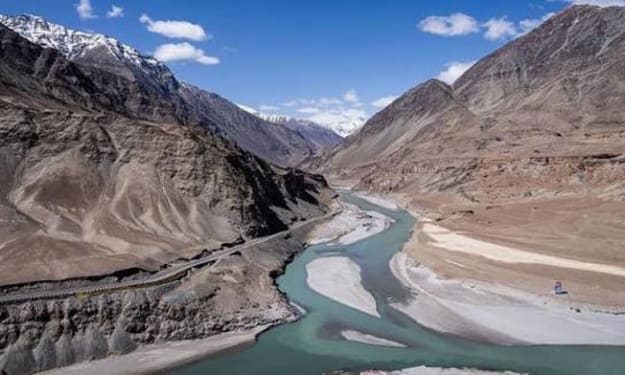
The Himalayas, often described as the world’s “Third Pole,” are facing a dramatic and worrying transformation. Scientists are warning that reduced winter snowfall is leaving vast stretches of the mountain range bare, rocky, and increasingly vulnerable to long-term environmental damage. Once known for their thick snow blankets and powerful glaciers, parts of the Himalayas are now showing exposed rock earlier than ever before—an alarming sign of climate stress in one of Earth’s most critical ecosystems. A Visible Change in the World’s Highest Mountains Winter snowfall plays a vital role in the Himalayan climate system. Snow acts as a protective layer, insulating glaciers and regulating the slow release of meltwater into rivers during warmer months. However, researchers monitoring satellite data and ground stations report that recent winters have brought significantly less snowfall across large areas of the range. As a result, snowlines are rising higher up the slopes, leaving lower and mid-altitude regions exposed. This has turned once-white mountain landscapes into expanses of dark rock, which absorb more heat from the sun, accelerating warming in a dangerous feedback loop. Why Reduced Snowfall Matters Snow is more than a scenic feature—it is essential to the health of Himalayan glaciers. When snowfall declines, glaciers lose their main source of replenishment. At the same time, exposed ice and rock melt faster under direct sunlight. Scientists warn that this imbalance is speeding up glacier retreat across the Himalayas. Many glaciers are now shrinking at rates not previously recorded, threatening the long-term stability of water systems that support nearly two billion people across South and Southeast Asia. Impact on Asia’s Major Rivers The Himalayas feed some of the world’s most important rivers, including the Indus, Ganges, Brahmaputra, Yangtze, and Mekong. These rivers depend on seasonal snow and ice melt to maintain consistent flow throughout the year. Reduced snowfall means less stored water for the dry season. In the short term, faster melting can cause floods and landslides. In the long term, however, shrinking glaciers could lead to water shortages, affecting agriculture, hydropower, and drinking supplies across multiple countries. A Growing Risk of Disasters Bare, rocky slopes are far more unstable than snow-covered ones. Snow helps bind loose material together, while exposed rock and soil increase the likelihood of landslides and avalanches. Scientists have already observed a rise in slope failures and glacial lake outburst floods in the region. As glaciers retreat, meltwater often accumulates in fragile lakes dammed by loose rock and ice. These lakes can burst suddenly, releasing destructive floods that threaten mountain communities and downstream infrastructure. Climate Change at the Core Researchers agree that climate change is the primary driver behind the declining snowfall. Rising global temperatures are altering weather patterns, causing more winter precipitation to fall as rain rather than snow. Even small temperature increases at high altitudes can drastically change how moisture behaves. Additionally, warming oceans and shifting atmospheric circulation are affecting the timing and intensity of winter storms that traditionally brought snow to the Himalayas. Effects on Local Communities and Wildlife Mountain communities that rely on predictable snowfall for farming, tourism, and water storage are already feeling the effects. Farmers report changes in planting cycles, while winter tourism has declined in some regions due to unreliable snow conditions. Wildlife is also under pressure. Species adapted to cold environments are losing habitat as snow cover shrinks. Plants that depend on snowmelt are struggling to survive in drier, warmer conditions, disrupting fragile alpine ecosystems. Scientists Call for Urgent Monitoring and Action Experts stress the importance of improved monitoring of snowfall, glacier health, and water flows across the Himalayan region. Better data can help governments plan for future water management challenges and disaster risks. At the same time, scientists emphasize that local adaptation alone is not enough. Reducing global greenhouse gas emissions remains critical to slowing temperature rise and preserving what remains of the Himalayan snow and ice. What the Future Holds If current trends continue, large parts of the Himalayas could see permanent changes within decades. Reduced snowfall and accelerating glacier loss may reshape landscapes, ecosystems, and human livelihoods on an unprecedented scale. The sight of bare, rocky Himalayan slopes is more than a visual change—it is a warning signal. The world’s highest mountains are responding rapidly to a warming planet, and the consequences will extend far beyond the peaks themselves.
By Fiaz Ahmed Brohi6 days ago in Earth
Nature’s Hidden Gems: Discovering the Rarest Flowers on Earth
Introduction: When Beauty Meets Rarity Nature is filled with wonders, but few are as captivating—and as elusive—as the rarest flowers on Earth. From enormous parasitic blooms to delicate orchids that appear only under precise conditions, these plants challenge our understanding of survival, evolution, and beauty.
By Ahmed aldeabella3 days ago in Earth



Comments
There are no comments for this story
Be the first to respond and start the conversation.