
Endangered Animals Facing Extinction in 2023 and 2024: Fascinating Species on the Brink
They will die soon, because of us!
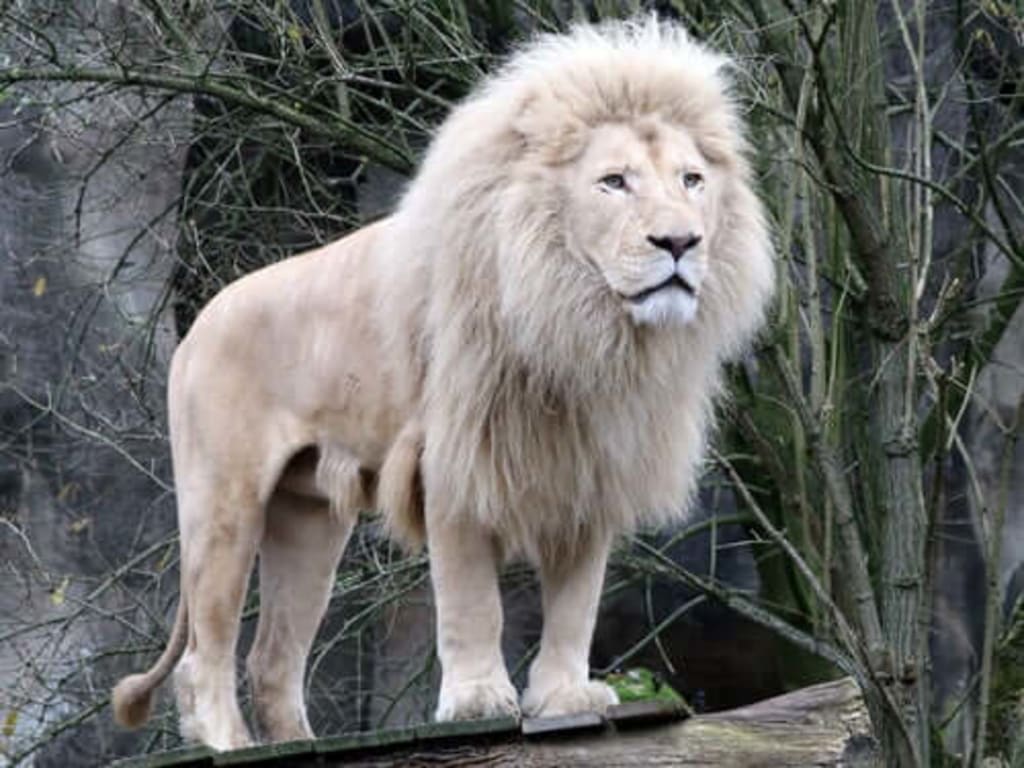
In the face of rapidly advancing ecological crises, many species of animals worldwide are threatened with extinction. Unfortunately, upcoming years like 2023 and 2024 bring bleak forecasts for some remarkable species. In this article, we will explore a few of these species that are teetering on the edge of survival and require urgent conservation efforts.
Sumatran Tiger (Panthera tigris sumatrae):
The Sumatran Tiger, inhabiting the island of Sumatra in Indonesia, is one of the rarest tiger subspecies on the planet. Due to habitat loss, poaching, and human conflicts, their population has been dwindling dramatically. Regrettably, experts fear that by 2023, the population of these tigers may decline even further.
Jangal Leopard (Panthera pardus fusca):
The Jangal Leopard, also known as the Iranian leopard, is critically endangered. This beautiful predator resides in the forested areas of Iran, but habitat loss and illegal hunting pose significant threats to its survival. It is estimated that by 2024, their population may face further reduction.
Sumatran Orangutan (Pongo abelii):
Sumatran Orangutans are among the most iconic species on the island of Sumatra. Deforestation due to logging and agriculture is impacting their habitats and, consequently, the population of these primates. Scientists fear that these intelligent creatures may face critical endangerment within the next two years.
Vaquita (Phocoena sinus):
The Vaquita, the smallest and rarest species of porpoise, inhabits the waters of the Gulf of California in Mexico. Their population is rapidly declining due to accidental entanglement in fishing nets. Conservationists are concerned that unless immediate action is taken, the vaquita may cease to exist by 2023.
Amongst this landscape of destruction, filled with smog-laden air and water poisoned by chemicals, humanity cannot escape reflection. It must confront the sad reality that its actions have contributed to this tragic situation. The very nature that it was meant to protect and care for has been betrayed and cruelly wounded.
This is a moment when it must ask itself whether it will continue to ignore the consequences of its actions or take steps to repair what has been destroyed. How will future generations view the legacy it leaves behind? Will they look upon it with pride, as a testament to wisdom and responsibility, or will they weep for the loss and disappointment?
There is still hope, albeit fragile like a ray of light in the darkness. People must regain their sensitivity to the beauty of nature and its priceless value. They must understand that they are not separate from it but rather part of the same fabric of life. Their fate is inseparably intertwined with the fate of every creature, every plant, and every ecosystem.
The time for action has come. Humanity must change its approach to the natural environment. It must respect, protect, and restore what has been destroyed. It must take responsibility for its actions and make conscious choices that serve the preservation and rejuvenation of nature.
Even small actions matter. Planting trees, reducing the consumption of natural resources, recycling, supporting environmental conservation efforts—these can all yield positive results. But systemic change is also needed. Supporting sustainable practices, investing in renewable energy, and promoting ecological education are key elements of long-term development.
It is a time for reflection and action. A time to reverse the course of events and rebuild the relationship between humanity and nature. May the sad ending we see today become an inspiration for change. May our actions transform it into the beginning of a new chapter, where humanity and nature can once again coexist in harmony.
Respect nature, preserve its beauty and richness. Take care of ecosystems, reduce waste, and honor animals. Let's collaborate for a sustainable future. Act now!
About the Creator
Keep reading
More stories from writers in Earth and other communities.
Scientists Turn Undersea Cables into Microphones to Track Orcas
For more than a century, undersea fiber-optic cables have quietly crisscrossed the world’s oceans, carrying phone calls, internet data, and financial transactions between continents. Lying on the seafloor, these cables form the invisible backbone of global communication. Recently, however, scientists have discovered an unexpected second life for this infrastructure: turning undersea cables into vast networks of microphones capable of listening to the ocean itself. Using this innovative technique, researchers are now able to detect and track marine life including orcas, also known as killer whales over enormous distances. This breakthrough is transforming marine biology, oceanography, and conservation science.
By Omoogun oluwaseun mercy4 days ago in Earth
Off the Book
It ended like every other stupid idea. Badly, and alone. I’m researching digital confession ethics, he said. A tech ethicist. He gestured at floating data I couldn’t see then pulled out a physical notebook. Actual paper, fountain pen. He held it up like he was showing me scripture.
By Nicky Frankly3 days ago in Fiction


Comments
There are no comments for this story
Be the first to respond and start the conversation.