

The era of the electric vehicle (EV) is upon us, a future that has been shaped by governmental mandates and deadlines, essentially declaring a shift away from traditional gasoline-powered cars. Car manufacturers are now forced to adapt to this evolving landscape or face the risk of obsolescence. The potential for substantial investment gains exists, yet this electrified future is not without its complexities, including the geopolitical race for essential minerals vital to companies like Tesla, Ford, and Nissan.
In this discourse, I intend to explore the multifaceted nature of the electric race. Are electric vehicles truly "cleaner," or is there more beneath the surface? Who stands to emerge victorious in this transformative contest?
In 2009, a visionary engineer from MIT founded Rivian, a company that sought to electrify two American automotive icons: the truck and the SUV. Positioned as Tesla's main competitor, Rivian garnered substantial investments from major players like Ford and Amazon, even securing an order for 100,000 electric vans from the latter. The anticipation around Rivian reached its peak during the 2021 IPO, despite the company not having a proven track record. However, the subsequent crash in Rivian's shares, losing over 80% of their value, highlighted challenges such as supply chain disruptions, energy concerns, and the overall tech market downturn. Moreover, the profitability of EVs remains a hurdle compared to traditional vehicles.
The demand for electric cars is undeniably escalating, intensifying competition and setting the clock ticking for automakers. But, what about the environmental impact? The heart of an electric vehicle lies in its battery, a substantial and weighty component occupying a significant portion of the vehicle. While an electric car's tailpipe emissions are non-existent, the manufacturing and disposal of batteries contribute to increased carbon emissions. Minerals like lithium, cobalt, and nickel, crucial for battery production, are predominantly found in geopolitically sensitive regions like Chile, Congo, China, and Australia.
Mining and transporting these minerals come with their own set of ethical challenges, from environmental degradation to exploitative labor practices. Extracting one ton of lithium alone emits as much carbon dioxide as burning 15,000 pounds of coal. The race for these minerals underscores the environmental trade-offs in the pursuit of a cleaner automotive future.
Charging an electric vehicle raises additional environmental considerations, dependent on the source of electricity. The overall life cycle analysis suggests that, despite initial manufacturing emissions, electric cars become environmentally favorable over time, especially in regions with cleaner energy grids. The future of electric vehicles, however, faces challenges like range anxiety, charging infrastructure efficiency, and the upfront cost barrier.
Looking ahead, both Europe and the US have committed to banning the sale of gasoline vehicles by 2035, creating a seismic shift in the automotive landscape. This transition opens a window of opportunity for native electric car manufacturers like Tesla, Lucid, and Rivian, as well as traditional automakers like Ford and Volkswagen, all vying for a share of the burgeoning EV market.
Yet, the road ahead is not without hurdles. Range anxiety, charging infrastructure, and the initial higher cost of electric cars continue to impede mass adoption. Additionally, the global demand for essential battery minerals like cobalt, nickel, and lithium raises concerns over ethical mining practices and geopolitical dependencies. China's dominance in lithium processing further complicates the landscape, necessitating sustainable approaches to mineral extraction.
As the electric race intensifies, questions about its feasibility in developing nations arise, given technological and financial barriers. The transition to electric vehicles demands robust electric grids and charging infrastructure, posing challenges for countries with limited resources. However, two and three-wheelers emerge as a popular solution in these regions.
In conclusion, the electric vehicle revolution is underway, fueled by a commitment to zero emissions and global sustainability. While challenges persist, including ethical mining practices, geopolitical dependencies, and the need for widespread infrastructure development, the opportunities for investment and transformative change are evident. The future of the automotive industry will undoubtedly be shaped by the success of those who navigate these challenges with strategic foresight and sustainable practices
About the Creator
Līva
World is interesting place. Scary, but worth living.
Nature is full of surprises and people are... well, people are something else.
Art is the best doctor.
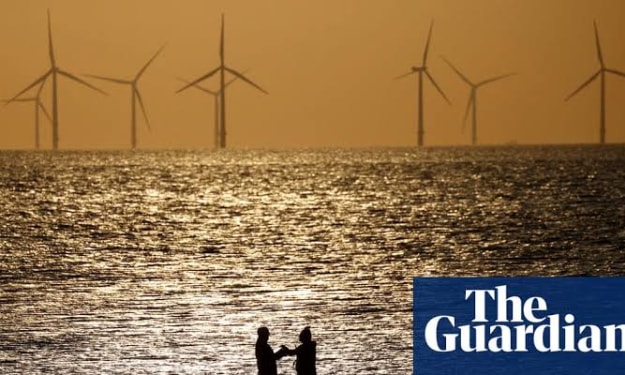
UK must double down on renewables as wars drive up energy costs, experts say
Britain must accelerate its transition toward renewable energy sources as geopolitical conflicts continue to drive global energy prices higher, according to leading energy analysts and climate policy experts. The warning comes as wars and political tensions across key energy-producing regions expose the vulnerability of countries still heavily reliant on imported fossil fuels. In recent years, the United Kingdom has made significant progress expanding renewable energy capacity, particularly in offshore wind and solar power. However, experts argue that the pace of the transition remains insufficient to shield the country from the volatility of international energy markets. Conflicts in the Middle East and Eastern Europe have demonstrated how quickly supply disruptions can translate into rising costs for households and businesses. Energy economists say the lesson from recent global crises is clear: the more dependent a country is on imported oil and gas, the more exposed it becomes to geopolitical shocks. Britain imports a substantial portion of its natural gas and refined fuel products, meaning instability in global supply chains can quickly affect domestic energy bills. During periods of international conflict, oil prices often spike due to fears that shipping routes or production facilities could be disrupted. Even rumors of attacks near key energy chokepoints — such as major pipelines or shipping lanes — can cause markets to react sharply. These fluctuations, analysts say, ultimately filter down to consumers through higher electricity and heating costs. Renewable energy sources offer a potential solution to this problem because they rely on domestic resources such as wind and sunlight rather than imported fuels. Once renewable infrastructure is built, operating costs remain relatively stable because there is no need to purchase fuel on global markets. The United Kingdom already operates some of the world’s largest offshore wind farms, and renewable energy now accounts for a significant share of the country’s electricity generation. Government data indicates that wind power alone has become one of the largest sources of electricity in Britain, particularly during periods of strong weather conditions. Despite this progress, energy specialists argue that further investment is essential. Expanding renewable generation capacity requires not only building more wind and solar farms but also upgrading the national electricity grid. A modernized grid would allow energy produced in remote offshore locations to be transmitted efficiently to cities and industrial centers. Energy storage is another critical piece of the puzzle. Because renewable sources like wind and solar are intermittent, large-scale battery systems or alternative storage technologies are needed to ensure a stable supply of electricity during periods when generation drops. Developing these systems will require both technological innovation and sustained financial investment. Some experts also emphasize the importance of diversifying the country’s renewable portfolio. While offshore wind remains a cornerstone of Britain’s energy strategy, solar power, tidal energy, and green hydrogen could also play important roles in the future energy mix. The government has already announced plans to increase renewable capacity dramatically over the next decade. Officials argue that reducing reliance on fossil fuels will not only strengthen national energy security but also help the country meet its climate targets. However, critics say policy uncertainty and slow planning approvals have sometimes delayed renewable projects. Industry leaders have urged authorities to streamline regulatory processes and provide clearer long-term incentives for investors. For many analysts, the link between energy security and climate policy has never been more obvious. Wars and geopolitical tensions have shown that fossil fuel dependence can create economic vulnerability, while domestically produced renewable energy offers greater stability. “The global energy system is changing,” said one energy policy researcher. “Countries that invest early in renewable infrastructure will be better protected from geopolitical shocks and price spikes.” As international conflicts continue to reshape global energy markets, the debate over Britain’s energy future is likely to intensify. For supporters of renewable power, the current moment represents both a warning and an opportunity — a chance to accelerate the transition toward a more secure and sustainable energy system.
By Fiaz Ahmed 6 days ago in Earth



Comments
There are no comments for this story
Be the first to respond and start the conversation.