
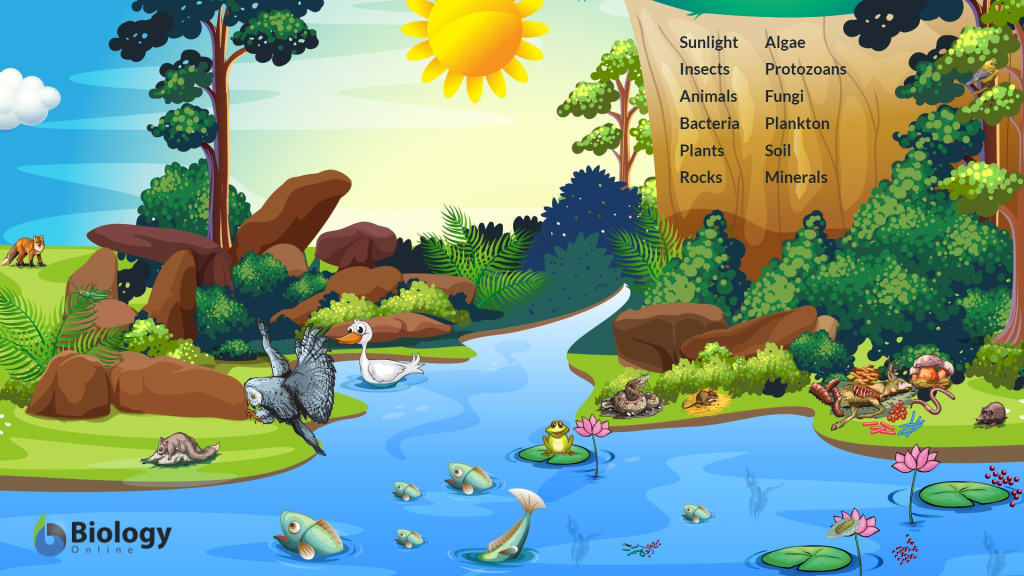
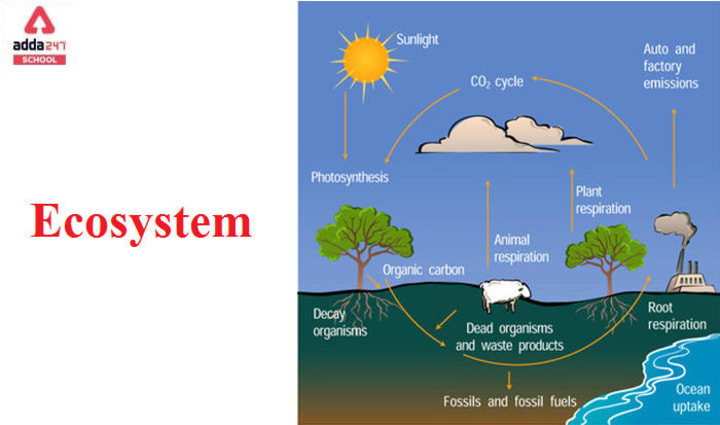
An ecosystem refers to a community of living organisms in a specific geographic area, as well as their interactions with each other and with their environment. This includes not only the plants and animals in an area, but also the physical and chemical components of their surroundings, such as water, soil, and air.
Ecosystems are diverse and can range from a small pond to a vast rainforest or even an entire planet. Within an ecosystem, there are many interdependent relationships between different species, which can include competition for resources, symbiotic relationships, and predator-prey interactions.
The health and sustainability of an ecosystem depend on the balance and diversity of its various components. Human activities, such as pollution, deforestation, and climate change, can disrupt or even destroy ecosystems, leading to serious consequences for the plants, animals, and people who depend on them.
Understanding the components and interactions within an ecosystem is important for preserving and protecting it. Ecologists study ecosystems to better understand the complex relationships between living organisms and their environment. By analysing the physical, chemical, and biological components of an ecosystem, ecologists can develop strategies for managing and restoring ecosystems that have been damaged or destroyed.
One way that ecologists study ecosystems is through food webs. A food web is a model that shows how energy and nutrients flow through an ecosystem, from one organism to another. In a food web, organisms are classified as either producers, consumers, or decomposers.
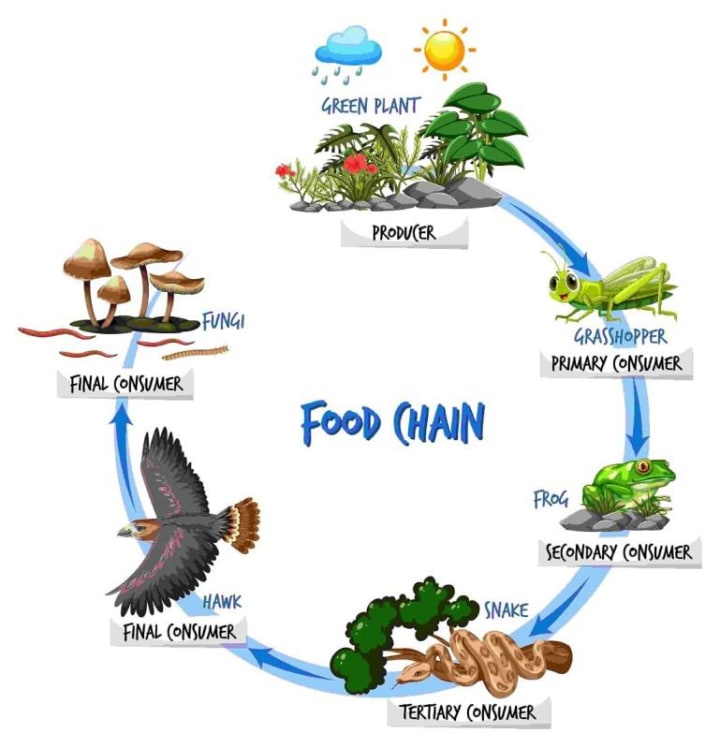
Producers, such as plants and algae, convert energy from the sun into food through photosynthesis. Consumers, such as herbivores, carnivores, and omnivores, eat other organisms for food. Decomposers, such as bacteria and fungi, break down dead organisms and waste, releasing nutrients back into the ecosystem.
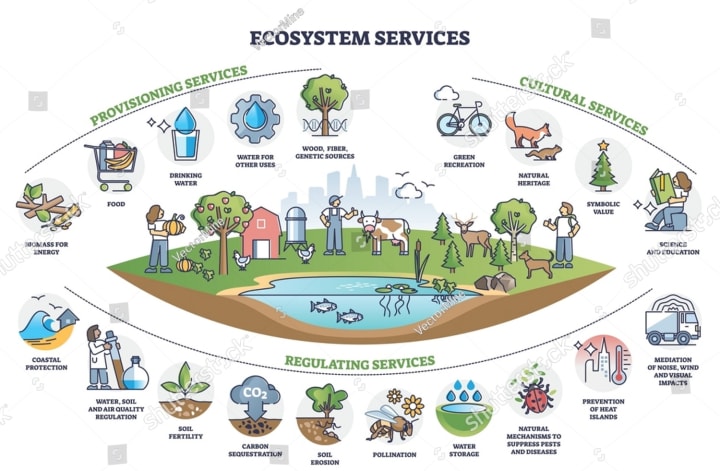
Another important concept in ecosystem ecology is the idea of ecosystem services. Ecosystem services are the benefits that humans receive from natural ecosystems, such as clean air and water, pollination of crops, and regulation of climate. Understanding the value of ecosystem services can help promote conservation and sustainable use of natural resources.
Overall, ecosystems are complex and dynamic systems that are essential for the health and well-being of both natural and human communities. Protecting and preserving these ecosystems requires a deep understanding of their components and interactions, as well as a commitment to sustainable management and conservation practices.
One of the most important characteristics of an ecosystem is its biodiversity. Biodiversity refers to the variety of living organisms within an ecosystem, and includes both species diversity and genetic diversity. Biodiversity is important because it contributes to ecosystem stability and resilience, as well as providing a range of ecosystem services.
However, human activities such as deforestation, overfishing, and pollution can lead to a loss of biodiversity and can have significant impacts on ecosystem health and function. For example, the loss of pollinators such as bees and butterflies can lead to a decline in crop yields, while the loss of apex predators such as wolves can lead to overgrazing and ecosystem degradation.
To address the loss of biodiversity, conservation efforts are underway around the world. These efforts range from the establishment of protected areas and habitat restoration programs, to the development of sustainable land use practices and the promotion of eco-tourism.
In addition to conservation efforts, understanding the impacts of climate change on ecosystems is also a crucial area of research. Climate change can have significant impacts on ecosystems, including altered weather patterns, sea level rise, and ocean acidification, which can have cascading effects on biodiversity and ecosystem services.
In summary, ecosystems are complex and dynamic systems that are essential for the health and well-being of both natural and human communities. Understanding and preserving these systems requires a deep knowledge of their components and interactions, a commitment to sustainable management practices, and efforts to address threats such as biodiversity loss and climate change.
There are several types of ecosystems, each with their unique characteristics and components. Some of the most common types of ecosystems include:
Terrestrial ecosystems: These are land-based ecosystems that include forests, grasslands, deserts, and tundra.
Aquatic ecosystems: These are water-based ecosystems that include oceans, rivers, lakes, and wetlands.
Marine ecosystems: These are ecosystems that are found in the ocean, including coral reefs, kelp forests, and estuaries.
Freshwater ecosystems: These are ecosystems that are found in rivers, lakes, and wetlands, including swamps, bogs, and marshes.
Polar ecosystems: These are ecosystems found in the polar regions, including the Arctic and Antarctic, which are characterized by extreme cold and limited biodiversity.
Urban ecosystems: These are ecosystems that are found in cities and towns, including parks, gardens, and green spaces.
Each of these ecosystems is characterized by a unique set of biotic (living) and abiotic (non-living) components, as well as distinct ecological processes and interactions.
In conclusion, understanding ecosystems and their components is critical for maintaining the health and well-being of both natural and human communities. By preserving and protecting these systems, we can ensure that they continue to provide vital ecosystem services and contribute to a sustainable future for all.
About the Creator
Keep reading
More stories from Sangeetha S and writers in Earth and other communities.
“Make America Go Away”: Spoof MAGA Caps Soar in Popularity Amid the Greenland Crisis
Political slogans have always been powerful, but in today’s hyper-connected world, they often take on a life of their own. In recent weeks, a new phrase has been popping up across social media, protests, and online marketplaces: “Make America Go Away.” Printed boldly on red caps that closely resemble the iconic MAGA hats, the slogan is a pointed parody—and it’s rapidly gaining popularity amid renewed tensions surrounding Greenland and U.S. foreign policy rhetoric.
By Aarif Lashariabout 21 hours ago in Earth
Center Stage with Paul Stewart
*** I'm keen to republish the interviews I did for my series with Vocal creators. It's been a few years and I thought it might be nice to revisit these wonderful conversations. I'll be releasing them one at a time for a few weeks/months.
By Heather Hubler5 days ago in Interview



Comments
There are no comments for this story
Be the first to respond and start the conversation.