
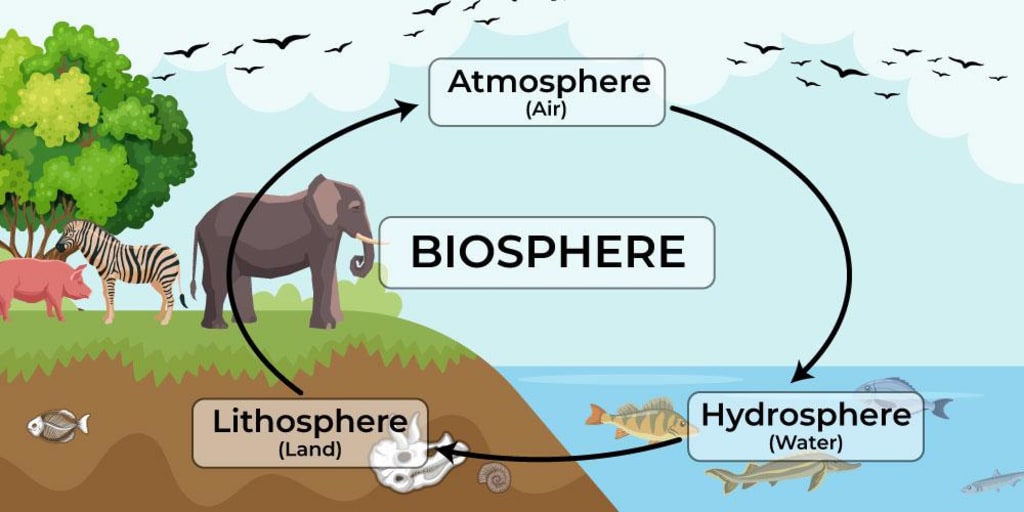
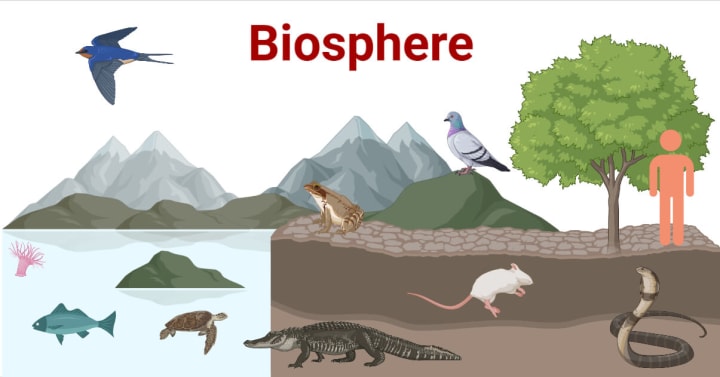
The biosphere refers to the part of the Earth and its atmosphere where life exists. It includes all living organisms, from the smallest bacteria to the largest animals and plants, as well as the physical environment in which they live and interact.
The biosphere is a complex and interconnected system, with living organisms and their environment constantly interacting and influencing each other. For example, plants absorb carbon dioxide from the air and release oxygen through photosynthesis, while animals breathe in oxygen and exhale carbon dioxide. Microorganisms play important roles in nutrient cycling and decomposition, while larger animals can act as predators or prey.
Human activities can also have significant impacts on the biosphere, through pollution, deforestation, climate change, and other factors. Understanding and protecting the biosphere is important for maintaining the health and well-being of both humans and other living organisms.
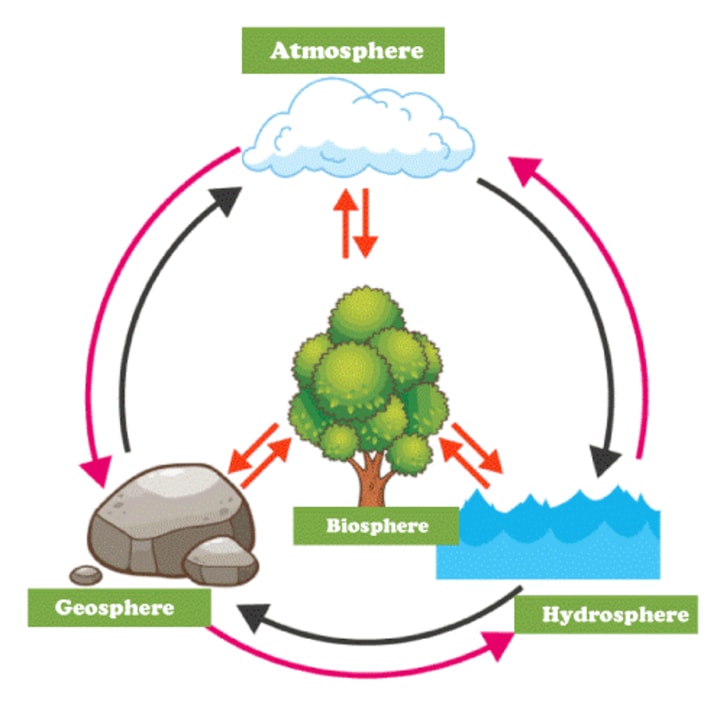
The biosphere is also closely interconnected with other Earth systems, such as the atmosphere, hydrosphere, and geosphere. For example, the atmosphere provides the oxygen and other gases that living organisms need to survive, while the hydrosphere provides water for drinking and other purposes. The geosphere provides nutrients and minerals that support the growth of plants and other living organisms.
The biosphere is organized into different levels of complexity, including individual organisms, populations, communities, and ecosystems. An ecosystem is a community of living organisms and their physical environment, interacting as a system.
Biodiversity, or the variety of living organisms in the biosphere, is also important for maintaining the health and functioning of ecosystems. Loss of biodiversity can have significant ecological and economic impacts, such as reduced crop yields, increased susceptibility to disease, and loss of ecosystem services.
Overall, the biosphere is a dynamic and complex system that is essential for the survival and well-being of all living organisms on Earth. Protecting and preserving the biosphere is crucial for maintaining the balance and sustainability of our planet.
The study of the biosphere is an interdisciplinary field that involves scientists from many different fields, including biology, ecology, geology, climatology, and more. This broad range of expertise is necessary to understand the complex interactions between living organisms and their environment.
One of the key challenges facing the biosphere today is climate change. Rising temperatures, changing precipitation patterns, and other effects of climate change can have significant impacts on the distribution and abundance of different species, as well as the functioning of ecosystems. Climate change is also linked to other environmental problems, such as habitat loss and pollution, which can further exacerbate the impacts on the biosphere.
Protecting the biosphere requires a combination of strategies, including conservation of natural habitats and biodiversity, sustainable use of natural resources, and reduction of greenhouse gas emissions to mitigate the impacts of climate change. In addition to scientific research, public education and policy initiatives are also important for raising awareness and promoting action to protect the biosphere.
Ultimately, the biosphere is a complex and interconnected system that is essential for the survival and well-being of all living organisms on Earth. By working together to understand and protect this critical system, we can help ensure a sustainable future for ourselves and for generations to come.
Another important aspect of protecting the biosphere is understanding the impacts of human activities on the environment. For example, the use of pesticides and other chemicals can have negative impacts on the health of ecosystems and the organisms that inhabit them. Similarly, deforestation and habitat destruction can lead to the loss of biodiversity and contribute to climate change.
Conservation efforts can help protect the biosphere by preserving natural habitats and protecting endangered species. This can involve creating protected areas such as national parks and wildlife reserves, as well as promoting sustainable use of natural resources and reducing the impact of human activities on the environment.
In addition to protecting the biosphere, understanding the biosphere can also have important practical applications in fields such as medicine, agriculture, and environmental management. For example, researchers have discovered new drugs and other compounds from natural sources found in the biosphere, and the study of ecosystems can help inform sustainable agricultural practices and natural resource management.
In summary, the biosphere is a complex and interconnected system that is essential for the survival and well-being of all living organisms on Earth. Protecting and understanding the biosphere requires a multidisciplinary approach and a commitment to sustainable practices that reduce the impact of human activities on the environment. By working together to protect the biosphere, we can help ensure a healthy and sustainable future for ourselves and for all other living organisms on our planet.
There are also ethical and moral considerations in protecting the biosphere. As humans, we have a responsibility to protect and care for the environment and the living organisms that inhabit it. This responsibility is often referred to as environmental stewardship or environmental ethics.
Environmental stewardship involves taking responsibility for the impact of human activities on the environment and taking action to minimize that impact. This can include reducing our carbon footprint, using resources efficiently, and supporting conservation efforts.
Environmental ethics involves considering the moral and ethical implications of our actions on the environment and the living organisms that inhabit it. For example, many people believe that animals have intrinsic value and should be protected from harm, while others argue that the environment has inherent value and should be protected for its own sake, regardless of its usefulness to humans.
In conclusion, the biosphere is a complex and interconnected system that is essential for the survival and well-being of all living organisms on Earth. Protecting and understanding the biosphere requires a multidisciplinary approach and a commitment to sustainable practices that reduce the impact of human activities on the environment. By working together to protect the biosphere and adopting environmentally responsible practices, we can help ensure a healthy and sustainable future for ourselves and for all other living organisms on our planet.
One important aspect of protecting the biosphere is promoting environmental education and raising public awareness about the importance of the biosphere and the impact of human activities on the environment. This can involve educating people about the importance of biodiversity, the benefits of conservation, and the negative impacts of pollution and other environmental problems.
Effective environmental education can help people understand their role in protecting the biosphere and inspire them to take action to reduce their environmental impact. This can involve promoting sustainable practices in areas such as energy use, waste reduction, and transportation.
Another important aspect of protecting the biosphere is promoting international cooperation and collaboration on environmental issues. Climate change, pollution, and other environmental problems are global issues that require a coordinated response from governments, organization's, and individuals around the world.
International agreements such as the Paris Agreement on climate change and the Convention on Biological Diversity provide frameworks for global action on environmental issues. In addition, non-governmental organization's and community-based organization's play an important role in promoting conservation and sustainable development at the local and regional levels.
In conclusion, protecting the biosphere is essential for the survival and well-being of all living organisms on Earth, including humans. This requires a concerted effort to reduce the impact of human activities on the environment, promote sustainable practices, and raise public awareness about the importance of the biosphere and the impact of human activities on the environment. By working together to protect the biosphere, we can help ensure a healthy and sustainable future for ourselves and for all other living organisms on our planet.
About the Creator
Keep reading
More stories from Sangeetha S and writers in Earth and other communities.
Lithosphere
The lithosphere refers to the solid outermost layer of the Earth, which includes the crust and the uppermost part of the mantle. It is composed of a variety of rocks, including igneous, sedimentary, and metamorphic rocks, and has a thickness of approximately 100 kilometres.
By Sangeetha S3 years ago in Earth
The New Gold Rush is Happening at Wastewater Treatment Plants
I never thought much about where wastewater goes after it leaves my house until I read a study from Arizona State University. Researchers tested sewage sludge from cities across America and found something remarkable.
By Marcus Briggsa day ago in Earth
UAE Enters Al Shabt: Brace for Winter’s Coldest Days
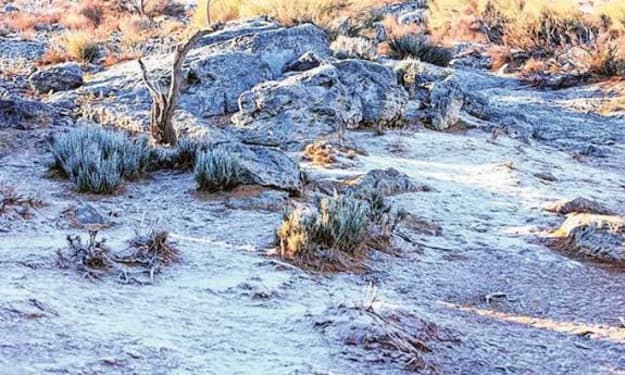
The United Arab Emirates is set to experience one of the harshest winter spells in recent memory as the country enters Al Shabt, a period traditionally associated with extreme cold. Residents across the emirates are being urged to prepare for temperatures that are expected to drop well below seasonal averages, with potential disruptions to daily life, travel, and energy consumption. Meteorologists have warned that Al Shabt, historically marked by icy winds and sudden temperature dips, will this year be particularly severe due to a combination of regional weather patterns and shifting global climatic trends. Forecasters predict nighttime temperatures in some areas could drop to as low as 8–10°C, a significant decline for a country more accustomed to mild winters. Coastal regions may experience slightly warmer conditions, but the cold will be intensified by strong northern winds sweeping across the Arabian Peninsula. Understanding Al Shabt Al Shabt, which translates to “the coldest part of winter,” is a term deeply embedded in Gulf traditions. Historically, Bedouins and farmers used the period to plan agricultural activities, livestock care, and resource management. Today, while modern infrastructure and urban planning mitigate some effects of the cold, the cultural significance remains, and residents are reminded of its intensity through historical observations and local weather lore. “Al Shabt is more than a cultural marker—it’s a meteorological reality,” said Dr. Aisha Al Mansoori, a senior climatologist at the UAE National Center for Meteorology. “We are observing patterns that suggest this Al Shabt could be colder than usual. Residents should take precautions, especially in northern and inland regions where the temperature drop will be most pronounced.” Preparing for the Cold Authorities across the UAE are taking proactive measures to help residents and businesses prepare for the upcoming cold spell. The Ministry of Interior has issued advisories for motorists to check vehicle heating systems and tire conditions, while electricity and water authorities are ensuring that energy grids are ready for increased demand. Hospitals and emergency services have also been put on alert to handle potential cold-related health incidents. Schools and universities are expected to remain open, but parents are being advised to dress children in warm layers and limit outdoor exposure, especially during early morning and late evening hours. Workplaces are encouraged to implement flexible schedules to reduce the risks associated with commuting during frigid mornings. Travel and Transportation Challenges The UAE’s extensive road network and urban infrastructure may face some challenges during Al Shabt. While snow is highly unlikely, fog formation during the early morning hours could reduce visibility, leading to potential travel disruptions. Aviation authorities are coordinating with meteorologists to monitor conditions at major airports, ensuring that flights remain on schedule while prioritizing passenger safety. “Drivers should exercise caution and plan extra time for their journeys,” said Hamad Al Suwaidi, a senior official at the Roads and Transport Authority. “Even a minor dip in temperature can create slick roads in certain areas, and we advise everyone to remain vigilant and adhere to safety guidelines.” Impact on Daily Life Beyond transportation, the cold weather is expected to affect outdoor events, construction projects, and energy consumption. Many outdoor workers may need additional protective clothing, while households will see a surge in electricity usage for heating. Retailers and service providers are preparing for increased demand for warm clothing, heaters, and other winter essentials. Health experts emphasize the need for precautions, particularly among vulnerable populations such as the elderly, children, and individuals with preexisting conditions. “Cold weather can exacerbate respiratory illnesses and cardiovascular problems,” said Dr. Mohammed Al Hammadi, a public health specialist. “Hydration, proper clothing, and staying indoors during the coldest hours are key measures to minimize health risks.” Looking Ahead While Al Shabt is expected to last for several days, meteorologists suggest that the period of extreme cold will gradually ease as the region transitions toward milder winter conditions. Nevertheless, residents are advised to remain prepared and informed, as sudden weather shifts are common in the Gulf. “The key to navigating Al Shabt is awareness and readiness,” Dr. Al Mansoori concluded. “The cold may be intense, but with proper precautions and respect for the weather, residents can stay safe and even enjoy the unique aspects of this traditional winter period.” In the coming days, the UAE will experience an unusual contrast—desert landscapes typically associated with warmth will be gripped by biting cold, reminding residents of the country’s diverse climatic character. As the nation braces for Al Shabt, the emphasis is on preparation, safety, and resilience, ensuring that the coldest days of winter are met with caution rather than surprise.
By Fiaz Ahmed Brohi4 days ago in Earth
Miss Persephone's Manual to a Seemingly Ordinary Life
Miss Persephone was found at the dining table, her blue eyes swollen, her tears arriving and retreating like the tides of the ocean. Earlier that day, her family had visited her in the retirement home where she had lived for eight years. It was her eightieth birthday.
By Imola Tóth5 days ago in Fiction



Comments
There are no comments for this story
Be the first to respond and start the conversation.