
Eating the World, Saving the Planet: How Compostable Bowls Are Changing Takeout Forever
As global cuisine goes mobile, eco-conscious packaging—like sugarcane and bagasse bowls—is helping food lovers enjoy takeout without guilt.
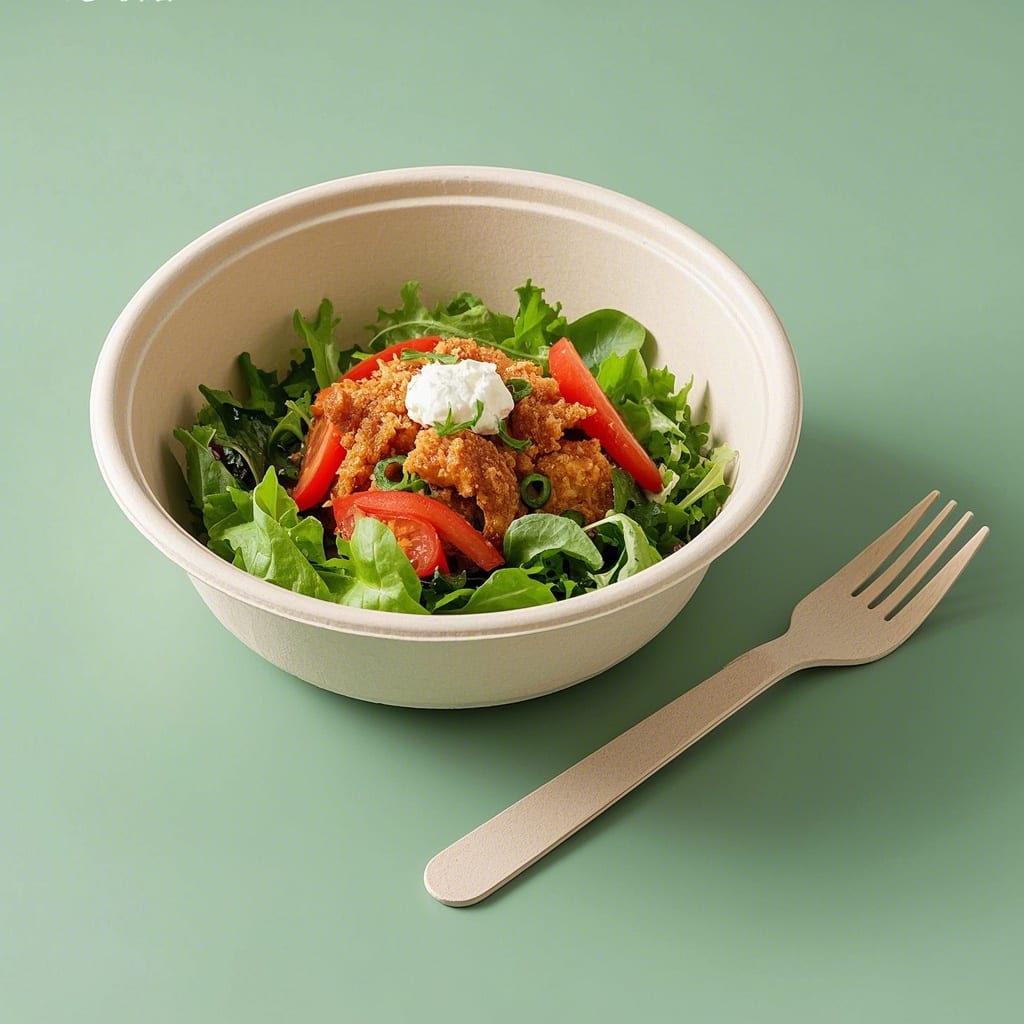
Introduction: One World, One Table—and a Lot of Waste
You can taste the world from your doorstep. Whether it’s Thai noodles, Middle Eastern hummus, or a fresh poke bowl, global takeout culture is exploding. But while our meals are global, our waste problem is local—and urgent.
Every plastic lid, Styrofoam box, or cling-wrapped burrito adds to a growing crisis of disposable packaging. That’s why businesses and conscious consumers are turning to compostable bowls, particularly those made from bagasse and sugarcane.
This article explores how bagasse bowls, once a niche idea, are now driving a revolution in how we enjoy food—locally sourced, globally flavored, and sustainably served.
The Rise of Global Takeout Culture
The 2020s belong to delivery. With food apps dominating urban markets and cloud kitchens spreading across the globe, takeout is no longer just fast food—it’s cultural. You can enjoy biryani from Mumbai in Manhattan or vegan pho in Stockholm, all neatly packaged to go.
But with every delivery comes packaging waste, often made of plastic or foam—materials that don’t align with the sustainability many modern eateries promise.
The contradiction is clear: health-conscious, ethical, plant-based food wrapped in petroleum-based plastic. The solution? Plant-based packaging.
From Sugarcane Fields to Compostable Bowls
Bagasse is a byproduct of sugarcane processing—fibrous material that’s left after juice extraction. Once considered agricultural waste, it’s now a miracle material for sustainable packaging. When molded under heat and pressure, it becomes sturdy, food-safe containers like bagasse bowls and sugarcane bowls.
- These compostable bowls are:
- Microwave- and freezer-safe
- Resistant to oil and moisture
- Naturally biodegradable and compostable
- Produced without toxins or plastic linings
From design to disposal, these bowls fit into the circular economy model—unlike single-use plastic, they return to the earth.
How Eco Packaging Elevates Takeout Across Cultures
🥘 Middle East: Mezze That Matches the Message
In Dubai, Beirut, and Tel Aviv, hummus, falafel, and grain bowls are often served in sleek sugarcane bowls, showing customers that what’s underneath matters just as much as what’s inside.
🍜 Asia: Noodles in Natural Packaging
Vietnamese pho, Japanese ramen, and Thai curry are hot, oily, and fragrant—perfect candidates for bagasse bowls that won’t leak, wilt, or pollute.
🥗 Europe: Salad Chains Go Green
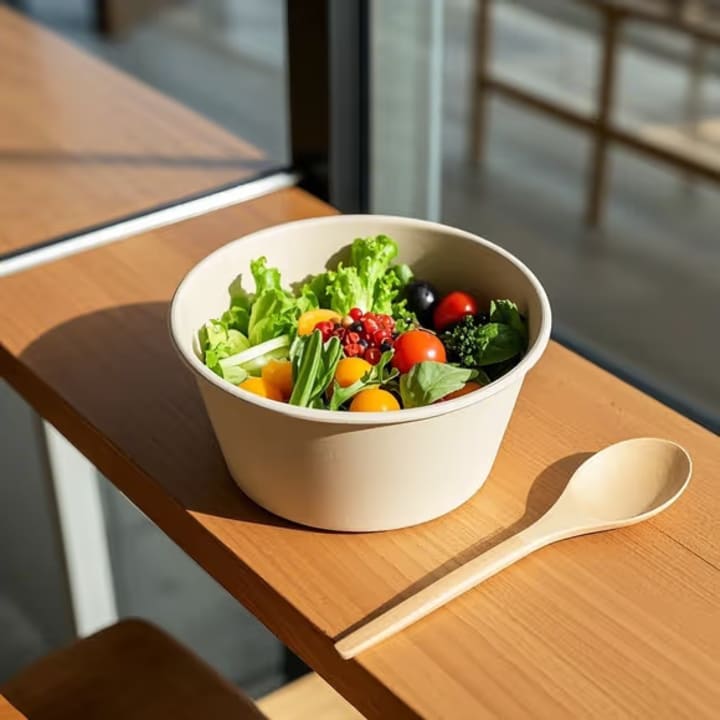
From Paris to Berlin, salad bars are leading the way in compostable containers. Their Instagram-friendly compostable bowls speak to their core demographic: young, eco-aware professionals.
🌮 North America: Mexican Street Food Meets Modern Materials
Tacos and tamales served in molded sugarcane bowls are both rustic and refined—honoring tradition while meeting modern environmental standards.
Why Compostable Bowls Make Business Sense
Beyond the ethics and aesthetics, compostable bowls provide tangible business advantages:
Brand differentiation: Eco-packaging signals responsibility and premium values.
Regulatory compliance: Many cities and countries now ban single-use plastics.
Operational efficiency: Bagasse bowls are stackable, lightweight, and seal tightly.
Customer loyalty: Millennials and Gen Z reward sustainability with repeat orders.
Restaurants that use compostable packaging are often rated more positively and shared more often online. The container becomes part of the brand experience.
Meet the Makers: The Role of Bagasse Bowls Manufacturers
Behind every compostable bowl is a manufacturer pushing innovation, compliance, and scale. A top-tier bagasse bowls manufacturer will offer:
- Certified compostability (BPI, EN13432, etc.)
- Custom branding and printing
- Leak- and heat-resistant bowl designs
- Bulk and international logistics support
Choosing the right manufacturer ensures your packaging supports your food quality, your sustainability goals, and your business model.
Bioleader® Spotlight: Powering the Compostable Movement
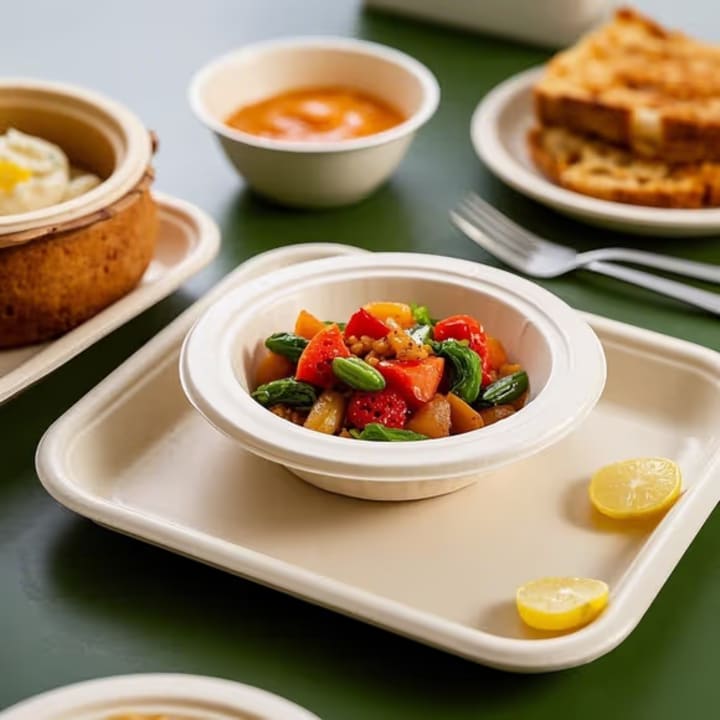
A standout in the world of eco packaging, Bioleader® specializes in bagasse bowls, sugarcane bowls, trays, and lids that serve food brands across five continents.
What makes Bioleader® different?
Premium finish and functional strength
Multiple sizes and compartments
Perfect for hot, cold, and saucy dishes
Trusted by both local restaurants and international franchises
Whether you're launching a vegan salad bar in London or a fusion cloud kitchen in Singapore, Bioleader®'s products align with modern culinary and sustainability demands.
The End of Plastic? Composting for the Win
One of the key advantages of compostable bowls is how they end their life cycle. In industrial composting systems, these containers degrade within 60–90 days, turning into nutrient-rich soil.
Even when industrial facilities aren’t available, bagasse bowls decompose significantly faster than plastic—without releasing harmful microplastics.
Many eco-conscious restaurants now highlight their composting efforts on packaging and marketing, showing customers the journey doesn’t end with the last bite.
Looking Ahead: The Future Is Circular
As regulations tighten and customer expectations grow, compostable packaging is no longer a novelty—it’s the new norm.
Expect to see:
QR codes on containers linking to composting instructions
Return-and-reuse reward programs using biodegradable alternatives
More partnerships between compost facilities and food delivery services
New formats like compostable lids, utensils, and even drink carriers
And at the heart of it all: the humble bagasse bowl, carrying global flavors with zero guilt.
Conclusion: The Bowl That Carries More Than Food
In a world where every dish tells a story, the container it comes in should do the same. Bagasse bowls, sugarcane bowls, and other compostable bowls are quietly revolutionizing takeout—making it not just about what you eat, but how you eat.
Whether you’re a chef, a restaurateur, or just a lover of great global food, choosing compostable packaging is a small decision with big impact. Because when we change the way we serve, we change the way we live.
About the Creator
Malted Wheat Flour Market Size and Forecast 2025
Malted Wheat Flour Market Overview Malted wheat flour is produced by germinating wheat grains, drying them, and grinding them into flour. This natural malting process activates enzymes—particularly amylase—that convert starch into fermentable sugars during baking. The result is improved dough fermentation, enhanced texture, increased loaf volume, and a richer, more consistent flavor profile in baked goods.
By Aaina Oberoi2 days ago in Earth
Neutraceutical Packaging Market Size and Forecast 2025–2033
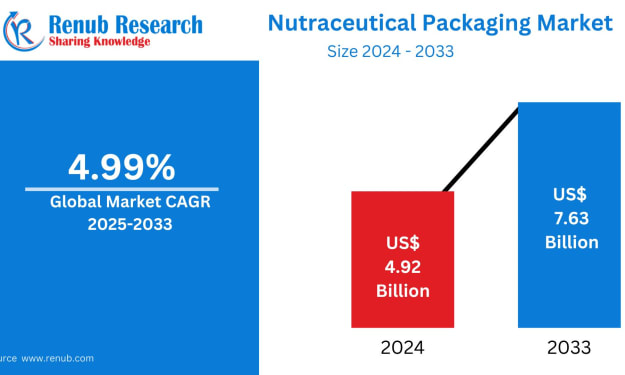
Neutraceutical Packaging Market at a Glance The Neutraceutical Packaging Market is projected to expand from US$ 4.92 billion in 2024 to US$ 7.63 billion by 2033, growing at a CAGR of 4.99% from 2025 to 2033. This steady growth reflects the accelerating global demand for dietary supplements, functional foods, herbal products, and wellness beverages. Rising health awareness, aging populations, sustainability expectations, the rapid growth of e-commerce, and evolving regulatory frameworks are reshaping how nutraceutical products are packaged, protected, and presented.
By jaiklin Fanandish2 days ago in Earth


Comments (1)
Global takeout's great, but the waste is a problem. Bagasse bowls are a smart solution. They're sturdy, safe, and eco-friendly. Way better than plastic for our planet.