
Breathless Earth: The Alarming Rise of Global Air Pollution
Understanding How Toxic Air Is Endangering Health, Climate, and Future Generations.

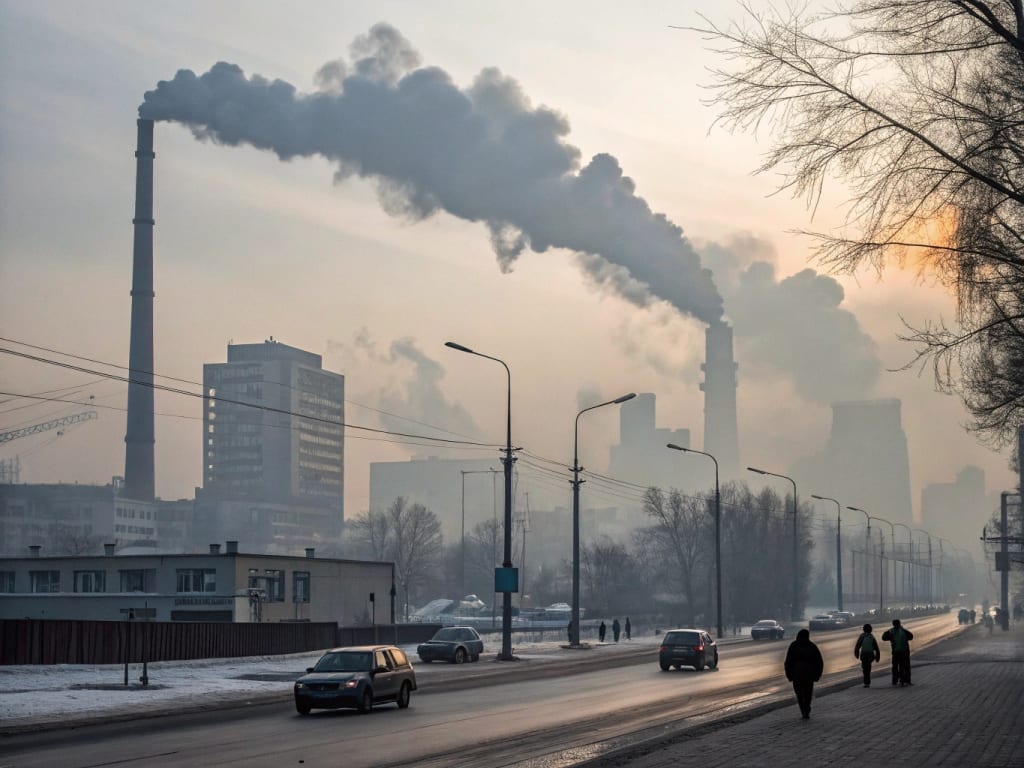
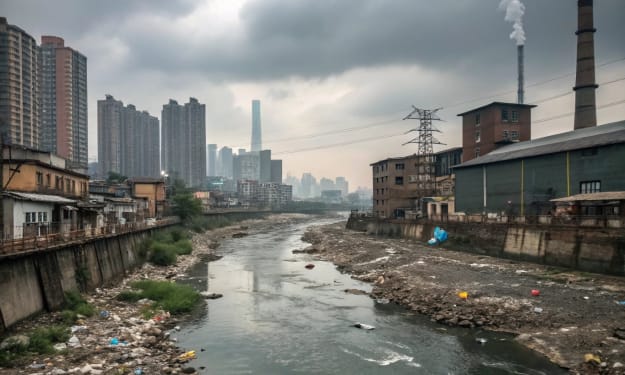
Air pollution is a mounting global crisis that is quietly but profoundly affecting the health of both our planet and its people, transcending borders, age groups, and environments. As rapid industrialization, urban growth, and increased vehicle usage continue to surge, the atmosphere is being saturated with dangerous pollutants such as carbon monoxide, nitrogen oxides, sulfur dioxide, ammonia, volatile organic compounds (VOCs), ground level ozone, and fine particulate matter (PM2.5 and PM10). These harmful substances stem from diverse sources including car exhausts, coal-based power plants, factories, construction work, agricultural activities, household heating, and open burning of waste.
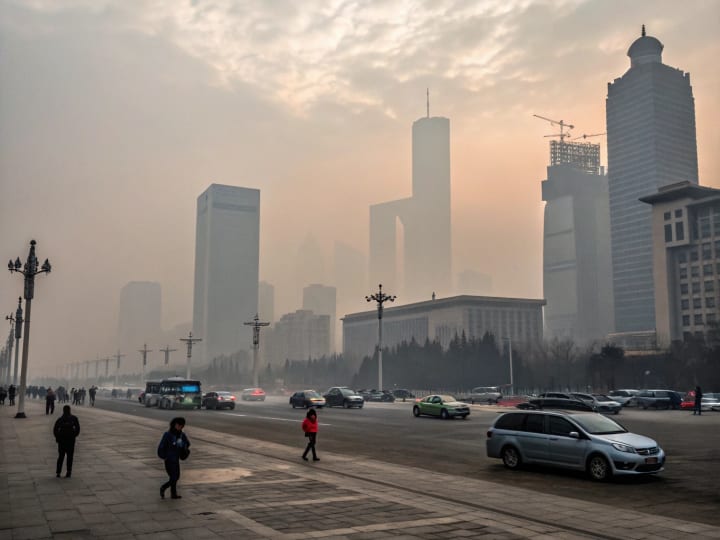
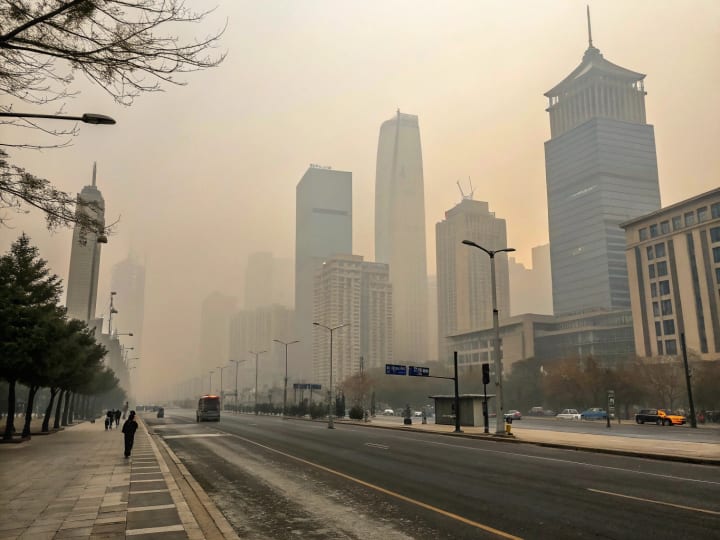
In major cities like Delhi, Beijing, Lahore, Jakarta, and Mexico City, the air has turned into a suffocating mix of smog and toxic gases, severely affecting public health and causing or aggravating conditions such as asthma, heart disease, lung cancer, and stroke. According to the World Health Organization, more than 90% of the world’s population breathes air that fails to meet safety standards, with approximately 7 million people dying each year due to exposure to both outdoor and indoor air pollution. The most vulnerable groups children, the elderly, and people with existing health issues suffer the most. Economically, air pollution is a heavy burden, slashing productivity, increasing healthcare costs, damaging crops, and requiring extensive spending on environmental repair, amounting to billions of dollars annually. Developing countries bear the brunt due to weak regulations and limited infrastructure, where unregulated industries, vehicle emissions, and biomass burning contribute heavily to polluted skies.
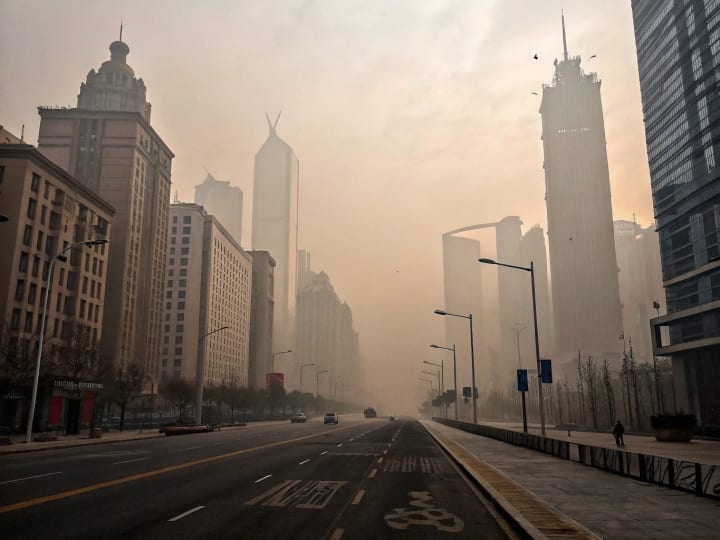
In South Asia, the burning of crop stubble, diesel run transport, and outdated brick kilns push air quality to dangerous levels, especially during winter. In China, although progress has been made, industrial emissions and coal-based heating still lead to severe pollution episodes. African cities like Lagos and Nairobi are facing growing air quality problems due to rapid urbanization, rising vehicle use, and the burning of wood and charcoal, all in the absence of strong environmental governance.
Even in wealthier nations such as the United States and members of the European Union, wildfires, industrial zones, and traffic continue to impact air quality often worsened by climate change-related heat waves and dry conditions. Beyond human health, air pollution wreaks havoc on the environment. It causes acid rain that harms forests and aquatic life, reduces agricultural productivity by damaging crops through ground-level ozone exposure, and contributes to global warming by releasing black carbon and methane both potent climate forcers. The link between air pollution and climate change is strong, as many of the same pollutants that affect air quality also accelerate the climate crisis. Methane increases both heat and ozone levels, while aerosols can either trap or reflect heat, affecting weather patterns and climate systems.
Tackling air pollution is therefore essential for achieving climate resilience and environmental sustainability. Encouragingly, several nations are taking steps to curb pollution. Countries like Sweden and Germany are leading the way in renewable energy use, eco-friendly transport, and strict environmental laws. China has expanded its clean energy initiatives, upgraded industrial emission standards, and installed air quality monitoring networks in numerous cities. The European Union enforces strict vehicle emissions rules and provides incentives for green technology. Global agreements like the Paris Accord and the United Nations Sustainable Development Goals (SDGs) provide a roadmap for countries to reduce emissions and ensure cleaner air for all. Technology is playing an increasingly important role air purifiers, carbon capture devices, electric vehicles, green buildings, and drones that monitor pollution are all being used to create smarter, cleaner cities. Thoughtful urban planning, with more green spaces, pedestrian areas, and eco-friendly transport systems, also contributes to improving air quality.
Environmental organizations, youth-led climate movements, and citizen activists continue to be key drivers of change, pressuring governments and corporations to take action. However, numerous challenges persist. A lack of political commitment, funding shortages, unequal access to clean technologies, and public apathy hinder progress. Since air pollution is a Trans boundary issue, international collaboration is vital. Shared data systems, joint regulations, and cooperative pollution control efforts are necessary to address air that flows across borders. On a personal level, individuals can also contribute by adopting greener habits using public transport, minimizing use of fossil fuels, recycling, conserving energy, and supporting environmental initiatives. Education and awareness are crucial in changing public behavior and building long-term support for clean air policies. In the end, clean air is not a luxury it is a fundamental human right and a cornerstone of life. If we fail to act, we risk damaging not only ecosystems and economies but also the very fabric of human health and wellbeing. The battle for clean air is, in essence, a battle for a livable planet, and it calls for urgent, united, and enduring commitment from governments, industries, and individuals alike.
About the Creator
G.M. Rayhan
I'm G.M. Rayhan, a Journalist and content writer covering trending news from around the world. I deliver timely, engaging, and reliable stories that inform and inspire readers to stay connected with global events and viral topics.
Keep reading
More stories from G.M. Rayhan and writers in Earth and other communities.
Rivers at Risk: The Global Crisis of Water Pollution and Its Impact on Our Future
Rivers, often referred to as the lifeblood of our planet, have been instrumental in supporting human civilizations, providing water for agriculture, and sustaining diverse ecosystems for millennia. However, these vital water sources are increasingly under threat due to pollution, which has reached alarming levels in many regions. Industrialization, urbanization, deforestation, and poor environmental practices have transformed once pristine rivers into toxic waste streams. Rivers that were once a source of life now carry the burden of contamination, endangering the health of millions of people and the survival of countless species. Among the most polluted rivers globally are the Ganges in India, the Citarum in Indonesia, the Yellow River in China, the Yamuna in India, the Buriganga in Bangladesh, the Nile in Africa, and even rivers in developed countries like the United States, including the Mississippi and Ohio.
By G.M. Rayhan10 months ago in Earth
65% of Workers Are Interested in ‘Microshifting’ Their Schedules as an Alternative to the Strict 9-to-5
The traditional 9-to-5 workday has long been considered the standard, but recent research suggests that employees are seeking more flexibility than ever before. A striking 65% of workers report interest in ‘microshifting’ their schedules, a concept that allows them to adjust their work hours in smaller increments rather than sticking to a rigid daily routine. For many, this is more than just a scheduling preference — it’s a way to reclaim control over their time, reduce stress, and boost productivity.
By Muhammad Hassanabout 8 hours ago in Earth
How Much Do You Need in an ISA for a Passive Income That Beats the State Pension?
For many people in the UK, the State Pension is expected to form the backbone of retirement income. But with rising living costs and growing uncertainty about the future, more savers are asking a crucial question: Can I build a passive income that beats the State Pension — and how much would I need in an ISA to do it?
By Aarif Lasharia day ago in Earth



Comments
There are no comments for this story
Be the first to respond and start the conversation.