
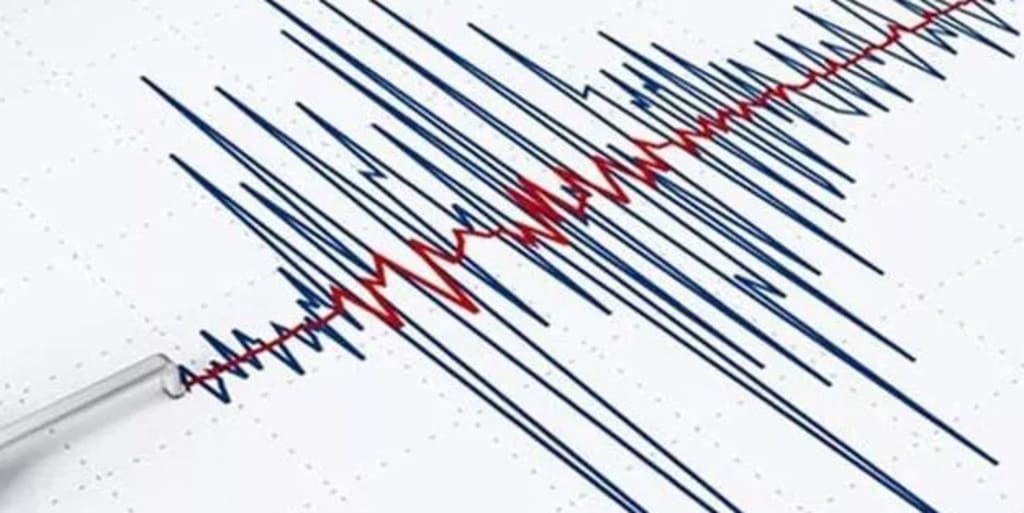
Earthquakes are one of the most powerful natural disasters that can occur on our planet. These events are caused by the shifting of tectonic plates deep beneath the Earth's surface, resulting in the release of energy that can cause ground shaking, damage to buildings and infrastructure, and even loss of life. In this article, we will explore the science behind earthquakes, their impact on people and communities, and the efforts being made to mitigate their effects.
What Causes Earthquakes?
Earthquakes occur when two tectonic plates that are moving against each other suddenly slip or break apart. These plates are made up of the Earth's crust and float on the molten layer below, known as the mantle. As the plates move, they can become locked together, causing pressure to build up. When the pressure becomes too great, the plates slip or break apart, releasing energy in the form of seismic waves.
Seismic waves are vibrations that travel through the Earth's crust and can cause the ground to shake. The strength of these waves depends on the magnitude of the earthquake, which is measured on the Richter scale. The Richter scale is logarithmic, meaning that a magnitude 6.0 earthquake is 10 times stronger than a magnitude 5.0 earthquake.
What Are the Effects of Earthquakes?
The effects of earthquakes can be devastating, with damage to buildings and infrastructure and loss of life often occurring. In densely populated areas, the impact of an earthquake can be particularly severe. When buildings collapse or bridges fail, people can become trapped and rescue efforts can be hampered. In addition to the immediate effects, earthquakes can also cause long-term damage to buildings and infrastructure, making it difficult for people to rebuild and resume their normal lives.
One of the most destructive earthquakes in recent history was the 2011 earthquake and tsunami that struck Japan. The earthquake, which had a magnitude of 9.0, caused widespread damage and loss of life, with over 15,000 people killed and thousands more injured. The resulting tsunami caused even more devastation, with waves up to 40 meters high sweeping inland and destroying entire towns and cities.
How Do Scientists Study Earthquakes?
Scientists use a range of techniques to study earthquakes and better understand how they work. One of the most important tools is seismology, the study of seismic waves. Seismometers are used to detect and record seismic waves, which can then be used to determine the location, magnitude, and other characteristics of an earthquake.
Another important tool is GPS, which is used to monitor the movement of tectonic plates. By tracking changes in the positions of GPS stations over time, scientists can determine how fast and in what direction the plates are moving. This information can then be used to develop models of how earthquakes might occur in the future.
How Can We Prepare for Earthquakes?
While earthquakes cannot be prevented, there are steps that people and communities can take to prepare for them. One of the most important is to have an emergency plan in place. This can include knowing how to evacuate your home or workplace, having a designated meeting place for your family, and having an emergency kit with food, water, and medical supplies.
Building codes are another important tool for preparing for earthquakes. By ensuring that buildings and infrastructure are designed to withstand seismic activity, communities can reduce the risk of damage and loss of life. This includes using flexible materials that can withstand shaking and reinforcing critical infrastructure such as bridges and highways.
In addition to these measures, it is also important to stay informed about the latest developments in earthquake science and to be prepared to respond to emergencies. This can include participating in earthquake drills and other preparedness exercises, and working with community organizations and local governments to develop emergency plans and responses.
About the Creator
Keep reading
More stories from writers in Earth and other communities.
Canadian Backpacker’s Death Raises Hard Questions for Queensland’s K’gari
The tragic death of a Canadian backpacker on K’gari, the world-heritage-listed island off Queensland’s coast formerly known as Fraser Island, has reignited a difficult and emotional debate: can humans and dingoes safely coexist in a shared tourist space?
By Muhammad Hassanabout 7 hours ago in Earth
Walk the Coast Your Way: A Self-Guided Cape to Cape Experience
The Cape to Cape Track is a stunning walking trail in Western Australia, stretching about 135 kilometres along the Margaret River coastline. The trail passes sandy beaches, rugged cliffs, and peaceful forests, offering a mix of adventure and calm. While guided tours are popular, many walkers prefer a self-guided experience. Walking independently lets you set your own pace, choose when to rest, and spend more time enjoying each view.
By David Jhona day ago in Earth
Affection and Healing for Yourself
During the night of the last quarter moon, I gathered my ritual supplies. I carefully handled the chunk of black tourmaline that would protect me from your overall negative and narcissistic energy. I carefully walked the house with my stick of selenite in hand, asking the universe to cleanse our working space.
By Alisha Wilkins ✒️🦋🖋️4 days ago in Fiction
🅼🅸🅳🅽🅸🅶🅷🆃 🆂🅽🅰🅲🅺🆂
"It's 10 in Tuscon! We all know what that means... It's Time for Midnight Snacks with your man, Gerald Gee! Ready to spend the night together? Me too! I'm full of snacks and can't wait to regurgitate them all back into your hungry ears. Crack a brew! Pop some corn! Anything to get ready for one hell of a show where the talk maybe cheap but the words cut deep...
By Lamar Wigginsa day ago in Fiction



Comments
There are no comments for this story
Be the first to respond and start the conversation.