
Earthquake Preparedness in Greater LA
Understanding Seismic Risks in Greater LA Geological Fault Lines Greater Los Angeles lies along several major geological fault lines, most notably the San Andreas Fault, which stretches approximately 800 miles through California.
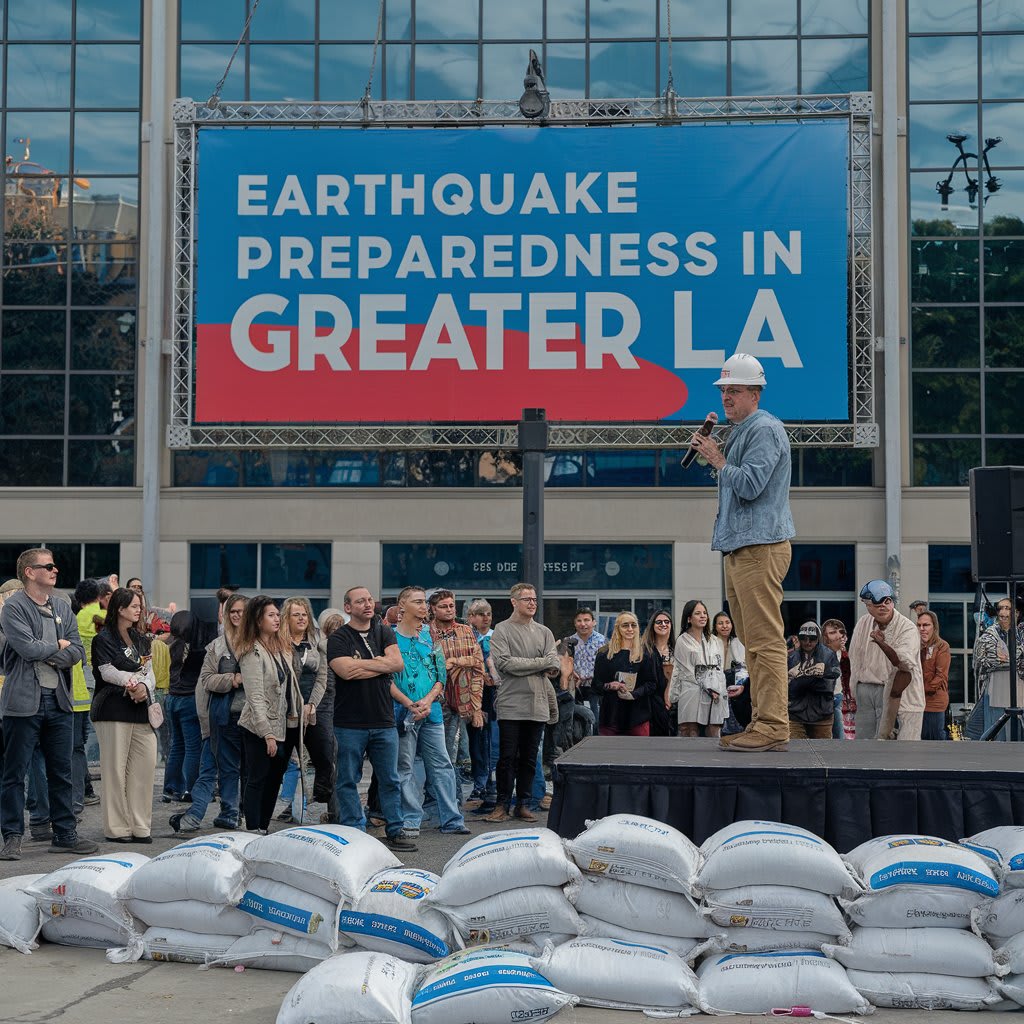
Earthquake Preparedness in Greater LA
Understanding Seismic Risks in Greater LA
Geological Fault Lines
Greater Los Angeles lies along several major geological fault lines, most notably the San Andreas Fault, which stretches approximately 800 miles through California. The proximity of this fault line to Los Angeles places the area at significant seismic risk. Other faults such as the Newport-Inglewood Fault and the Hollywood Fault further complicate the seismic landscape, contributing to the region's vulnerability to earthquakes. Understanding these fault lines is crucial for assessing the risk and preparing effectively for potential earthquakes.
Historical Earthquake Data

Historical earthquake data provide valuable insights into the seismic risks faced by Greater Los Angeles. Significant seismic events such as the 1933 Long Beach earthquake, which resulted in 120 casualties, and the 1994 Northridge earthquake, which caused extensive damage and 57 deaths, underscore the region's susceptibility to devastating quakes. By examining these past events, scientists and policymakers can better predict and prepare for future seismic activities.
Earthquake Probability

Seismologists estimate a high probability of a major earthquake occurring in Greater Los Angeles within the next few decades. According to the United States Geological Survey (USGS), there is a 60% probability of a magnitude 6.7 or greater earthquake hitting the region within the next 30 years. This statistic underscores the urgency of implementing comprehensive preparedness measures to mitigate the potential impacts of such an event.
Structural Preparedness Measures
Building Codes and Regulations
In response to the region's seismic risks, Los Angeles has implemented stringent building codes and regulations. The intent is to ensure that new constructions are capable of withstanding significant earthquake forces. The 1997 updates to the California Building Code (CBC), which incorporate seismic design standards, have been instrumental in enhancing the resilience of buildings. Adherence to these codes is mandatory and regularly reviewed to incorporate the latest scientific advancements.
Retrofitting Existing Structures
Retrofitting older buildings to meet current seismic standards is another crucial preparedness measure. Many structures in Greater Los Angeles predate modern building codes, making them particularly vulnerable during an earthquake. Retrofitting measures can include the installation of shear walls, steel braces, and base isolators, which help to absorb and dissipate seismic energy, thereby enhancing the structural integrity of older buildings.
Public Infrastructure Resilience

Ensuring the resilience of public infrastructure, including bridges, roads, and utilities, is vital for maintaining functionality during an earthquake. The Los Angeles Department of Public Works has initiated several projects aimed at fortifying the city's infrastructure. For example, the seismic retrofitting of Los Angeles' water supply system helps to prevent catastrophic failures that could impede emergency response efforts.
Personal and Household Preparedness
Emergency Supply Kits
Personal and household preparedness begins with the assembly of emergency supply kits. These kits should contain essential items such as water, non-perishable food, medications, flashlights, batteries, and first-aid supplies. A well-prepared emergency kit can be lifesaving during the immediate aftermath of an earthquake when resources and services may be scarce.
Family Communication Plans
Developing a family communication plan is another critical aspect of preparedness. This plan should include designated meeting points, emergency contact information, and a communication strategy that accounts for potential disruptions in telephone services. Regularly reviewing and practicing this plan ensures that all family members know what to do and where to go in the event of an earthquake.
Home Safety Inspections
Conducting home safety inspections to identify and mitigate potential hazards can significantly reduce the risk of injury during an earthquake. This includes securing heavy furniture, appliances, and water heaters to walls, reinforcing masonry chimneys, and installing safety latches on cabinets. These preventive measures help to minimize the danger posed by falling objects and structural failures.
Community and Government Initiatives
Public Education Programs
Public education programs play a fundamental role in earthquake preparedness. Initiatives such as the Great California ShakeOut drill encourage community participation in earthquake simulations, providing practical experience and raising awareness about earthquake safety measures. Additionally, educational campaigns use various media to disseminate information on preparedness strategies and resources available to the public.
Early Warning Systems
Early warning systems are essential for providing advance notice of an impending earthquake. The ShakeAlert system, developed by the USGS, utilizes a network of seismic sensors to detect ground motion and issue alerts before the shaking reaches populated areas. These seconds of warning can enable individuals and organizations to take protective actions, such as seeking cover or halting critical operations, thereby reducing injuries and fatalities.
Community Emergency Response Teams
Community Emergency Response Teams (CERT) are volunteer groups trained to assist during disasters. In Greater Los Angeles, CERT programs are active in many neighborhoods, providing essential first-aid, search-and-rescue, and firefighting skills. These teams enhance the community's ability to respond effectively to earthquakes, supplementing the efforts of professional emergency responders and improving overall resilience.
Post-Earthquake Recovery Strategies
Immediate Response Actions
Immediate response actions following an earthquake are crucial for minimizing the impact of the disaster. This includes search-and-rescue operations, medical triage and treatment, and the establishment of emergency shelters. Coordinated efforts between local governments, emergency services, and community organizations are vital for addressing the urgent needs of affected populations.
Long-Term Recovery Plans
Long-term recovery plans focus on rebuilding and restoring normalcy in the aftermath of an earthquake. This includes housing reconstruction, infrastructure repair, and economic revitalization. Effective long-term recovery requires collaboration between government agencies, non-profits, and the private sector to ensure that recovery efforts are comprehensive and sustainable.
Psychological Support Systems
The psychological impact of earthquakes can be profound, necessitating robust support systems to aid recovery. Mental health services, including counseling and support groups, are essential for helping individuals cope with trauma and loss. Community-based initiatives that promote social cohesion and mutual support can also play a significant role in the psychological recovery process.
Comprehensive earthquake preparedness in Greater Los Angeles involves understanding seismic risks, implementing structural and personal safety measures, fostering community and governmental cooperation, and establishing robust recovery strategies. By addressing each of these areas, Greater Los Angeles can enhance its resilience and mitigate the devastating impacts of future earthquakes.
About the Creator
Keep reading
More stories from Usa Nation and writers in Earth and other communities.
Morocco's Kalaat M'Gouna Rose Season
Morocco's Kalaat M'Gouna Rose Season: Introduction: Kalaat M'Gouna, a charming town in southeastern Morocco, lies at the foot of the stunning High Atlas Mountains. Known as the "Valley of Roses," it captivates visitors each spring with a spectacular bloom that transforms the landscape into a vibrant tapestry of pink and green. The Rose Season here is not only a feast for the eyes but also a rich blend of history, culture, economy, and community spirit.
By Usa Nation9 months ago in History
Light Builder Waste Skip Bins: Convenient Solutions for Small Projects
Whether you’re renovating your home, cleaning out a small construction site, or completing a DIY project, managing light building waste efficiently is essential. Light builder waste skip bins provide an easy, safe, and environmentally friendly way to dispose of debris without hassle. In this blog, we’ll explore the benefits of light builder waste skip bins, how to choose the right size, and tips for using them effectively.
By Sydney Skip Bins5 days ago in Earth
What Will the Weather Be Like Tomorrow
## What Will the Weather Be Like Tomorrow Tomorrow’s weather forecast provides an overview of the atmospheric conditions expected over the next twenty-four hours. Weather forecasts are created using scientific observations such as temperature, air pressure, humidity, wind speed, and cloud movement. These observations are analyzed through advanced computer models that simulate how the atmosphere is likely to behave. Because the forecast focuses on a short time frame, it is generally more accurate than long-term predictions. Understanding tomorrow’s weather helps people plan their daily activities, commute safely, and prepare for possible changes in conditions throughout the day.
By America today a day ago in Earth
Autonomy Is The Real Privilege
Good morning, freedom-seekers! Today we’re gonna be looking at autonomy. A strange word, I know; one many would probably look at blankly and run away from on sight. We’re gonna figure out what it actually means, consider how it’s achieved, and decipher just how deeply most of us are tangled up in dependence without realising it.
By That ‘Freedom’ Guy6 days ago in Humans



Comments
There are no comments for this story
Be the first to respond and start the conversation.