


ntroduction:
Earthquakes are one of the most devastating natural disasters that can occur on the planet. They happen when the earth's crust shakes or moves abruptly, causing seismic waves that travel through the ground. Earthquakes can occur anywhere, at any time, and without warning, causing severe damage to buildings and infrastructure, and resulting in loss of life and injuries. Understanding the causes and effects of earthquakes is critical for people living in areas prone to these disasters. This blog will explore the causes and effects of earthquakes, the types of earthquakes, and how to prepare for them.
Causes of Earthquakes:

The earth's crust consists of several large plates that are constantly moving, albeit very slowly. These plates move due to the movement of molten rock in the mantle underneath. As these plates move, they sometimes collide or rub against each other, which can cause earthquakes. When two plates collide, one plate may be forced beneath the other, a process known as subduction. The friction between the plates as they move and grind against each other causes stress to build up. When this stress becomes too much, the plates will slip suddenly, releasing the stored energy in the form of seismic waves.
Types of Earthquakes:
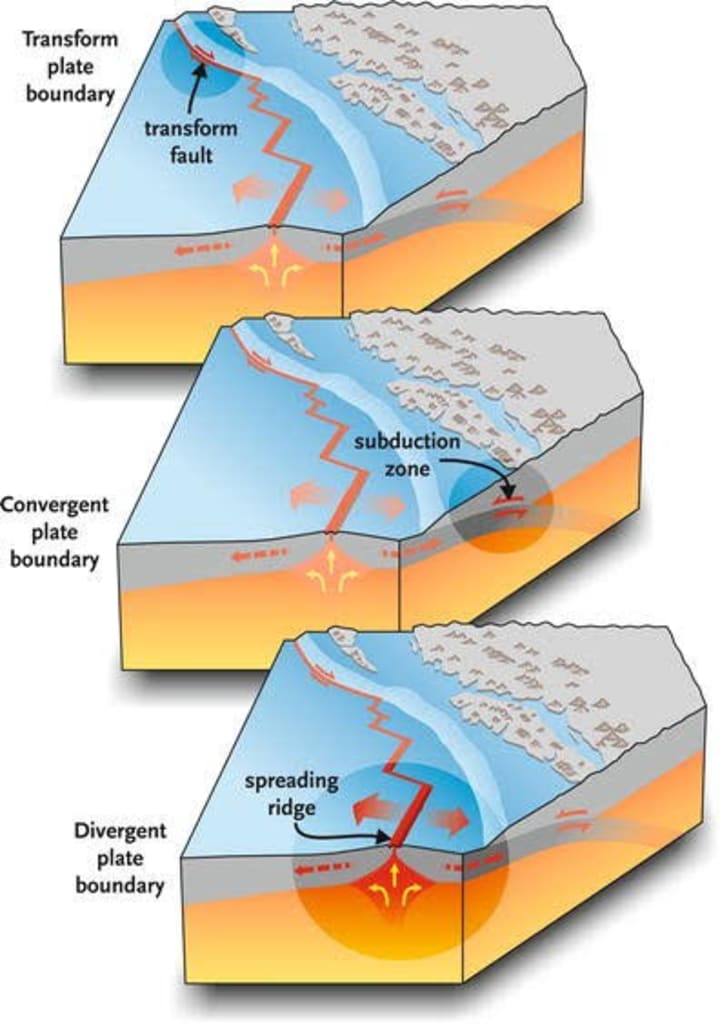
There are several types of earthquakes, including tectonic earthquakes, volcanic earthquakes, and induced earthquakes. Tectonic earthquakes are the most common type of earthquake and are caused by the movement of tectonic plates. They are responsible for most of the earthquakes that occur around the world. Volcanic earthquakes occur when magma or hot rock rises to the surface and causes the ground to shake. Induced earthquakes are caused by human activities such as mining, drilling, or building large reservoirs.
Effects of Earthquakes:

The effects of earthquakes can be catastrophic. The shaking of the earth's crust can cause buildings and other structures to collapse, roads and bridges to buckle, and power and water supplies to be disrupted. Earthquakes can also trigger landslides, tsunamis, and liquefaction, which is the process where the soil loses its strength and behaves like a liquid. The damage caused by earthquakes can lead to loss of life, injuries, and extensive property damage.
Preparing for Earthquakes:
Preparing for earthquakes is critical for those living in areas prone to these disasters. There are several steps that individuals and communities can take to prepare for earthquakes. The first step is to create an emergency plan that includes a meeting place for family members, important phone numbers, and emergency supplies such as water, food, and first aid kits. It is also essential to secure furniture and other household items to prevent them from falling and causing injury during an earthquake. Buildings should be retrofitted to make them more earthquake-resistant, and schools and other public buildings should be equipped with earthquake drills and emergency supplies.
Conclusion:
In conclusion, earthquakes are natural disasters that can cause significant damage and loss of life. Understanding the causes and effects of earthquakes is critical for people living in areas prone to these disasters. There are several types of earthquakes, including tectonic earthquakes, volcanic earthquakes, and induced earthquakes. The effects of earthquakes can be catastrophic and can lead to loss of life, injuries, and extensive property damage. Preparing for earthquakes is critical and involves creating an emergency plan, securing household items, retrofitting buildings, and equipping schools and other public buildings with earthquake drills and emergency supplies. With proper preparation, individuals and communities can reduce the impact of earthquakes and minimize the loss of life and property damage,while earthquakes can be devastating, they are also a natural part of our planet's geological processes. Understanding the causes and effects of earthquakes is crucial for individuals, communities, and governments to take the necessary steps to prepare and mitigate the damage caused by these disasters. By investing in earthquake-resistant infrastructure, educating the public on emergency preparedness, and fostering a culture of earthquake awareness and response, we can reduce the risk of loss of life and property damage from earthquakes. It is our responsibility to remain vigilant and prepared for earthquakes, as they can strike at any time without warning. By taking proactive measures, we can ensure that our communities are better equipped to withstand the impact of earthquakes and emerge stronger and more resilient in the aftermath
About the Creator
Mohamed Raffic
As a content writer, I have a passion for crafting compelling stories and creating engaging content that connects with audiences. With a strong background in creative writing and a natural flair for storytelling.
Keep reading
More stories from Mohamed Raffic and writers in Earth and other communities.
AI technology and how is it used today?
Artificial Intelligence (AI) has been making waves in various industries, and it has become an integral part of our daily lives. With advancements in Machine Learning (ML), Natural Language Processing (NLP), and Computer Vision, AI is changing the way we live and work.
By Mohamed Raffic3 years ago in Humans
Scientists Probe How Long-Term Spaceflight Alters Immunity
On Earth, a human body with a properly functioning immune system will work to overcome an infection. But in space, that same immune system will have to work a bit harder to overcome the same infection. In the isolated environment of the International Space Station, many factors — physiological stress, disrupted circadian rhythms, radiation, microgravity, and other spaceflight factors — can alter an astronaut’s immune response.
By Voice of Reality4 days ago in Earth




Comments
There are no comments for this story
Be the first to respond and start the conversation.