
Earthquake and Tsunami Warnings. Understanding the Science and Saving Lives.
Natural disasters like earthquakes and tsunamis can strike without warning, causing widespread destruction and loss of life. However, with advancements in science and technology, early warning systems have become an essential tool to reduce the damage caused by these deadly events. Earthquake and tsunami warnings play a critical role in disaster preparedness, evacuation planning, and public safety.

What is an Earthquake?
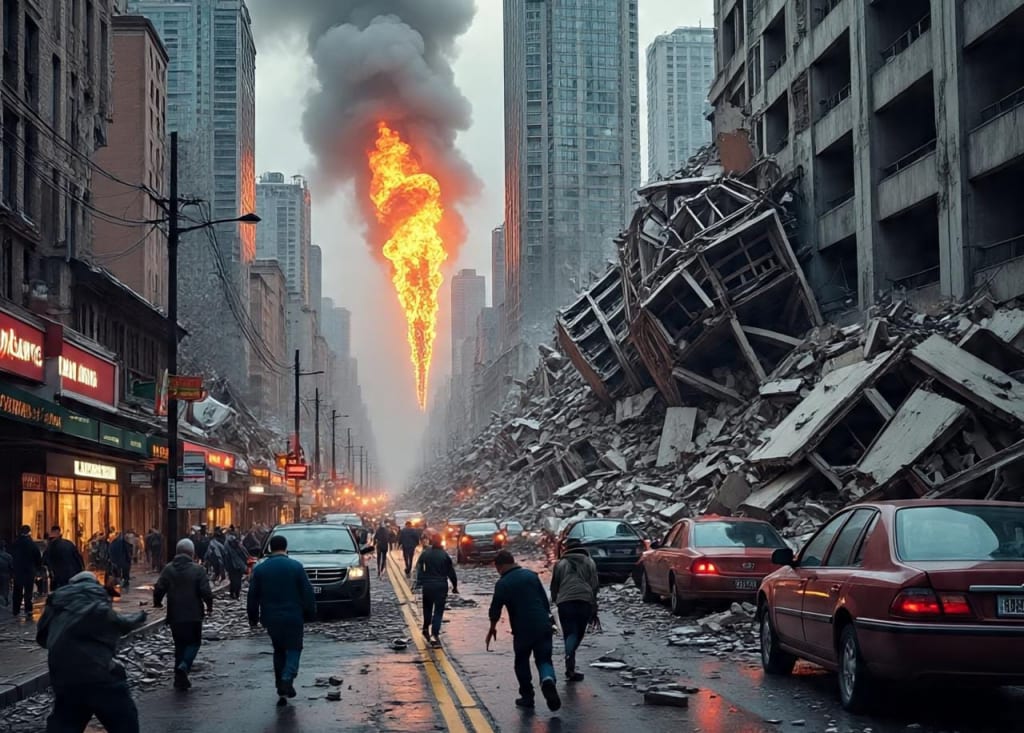
An earthquake is a sudden shaking of the ground caused by the movement of tectonic plates beneath the Earth’s surface. These movements release energy that travels in waves, shaking the land and everything on it. Earthquakes can cause buildings to collapse, roads to crack, and landslides to occur. In coastal areas, earthquakes under the ocean can also trigger tsunamis—massive sea waves that rush toward the shore with great force.
What is a Tsunami?
A tsunami is a series of ocean waves caused by large underwater disturbances such as earthquakes, volcanic eruptions, or landslides. When an earthquake occurs on the ocean floor, it can displace a large amount of water. This displacement creates waves that travel across the ocean at speeds up to 500 miles per hour. When these waves reach shallow coastal areas, they grow in height and can cause catastrophic flooding, destruction, and loss of life.
The Need for Warning Systems
Because earthquakes and tsunamis can happen with little or no notice, early warning systems are essential for saving lives. These systems help alert people before the disaster strikes, giving them time to take shelter or evacuate. In many countries, especially those located in earthquake-prone regions like Japan, Indonesia, and the west coast of the United States, modern technology is used to monitor seismic activity and ocean movement in real-time.
How Earthquake Warning Systems Work
Earthquake early warning systems detect the first seismic waves (called P-waves) that travel quickly but cause little damage. These waves arrive before the more powerful and destructive waves (called S-waves). When sensors detect the P-waves, a warning can be sent within seconds to smartphones, television broadcasts, and emergency alert systems. This short warning time—often just a few seconds to a minute—can allow people to take cover, stop vehicles, and shut down equipment before the stronger shaking begins.
How Tsunami Warning Systems Work
Tsunami warning systems are more complex. After an underwater earthquake, scientists analyze data from seismometers and ocean buoys to determine if a tsunami has formed. These buoys measure changes in water pressure that indicate a wave is traveling through the ocean. If a tsunami is detected, alerts are sent to coastal areas through sirens, radio, mobile apps, and television broadcasts. Depending on how far the tsunami is from shore, people may have a few minutes to several hours to evacuate.
Real-Life Examples
One of the most devastating tsunamis in recent history occurred on December 26, 2004, in the Indian Ocean. A massive earthquake off the coast of Sumatra, Indonesia, triggered a tsunami that killed over 230,000 people in 14 countries. At that time, there was no effective tsunami warning system in the region. In contrast, during the 2011 Japan earthquake and tsunami, the country’s advanced warning systems gave people valuable seconds to prepare, which helped reduce casualties and damage.
Public Awareness and Preparedness
Warning systems alone are not enough. People must know how to respond when they receive a warning. Education, regular drills, and clear evacuation plans are essential. Coastal communities often have evacuation routes marked with signs, and schools conduct earthquake and tsunami drills to teach children what to do in an emergency.
Conclusion
Earthquake and tsunami warning systems are powerful tools that save lives. Although we cannot prevent natural disasters, we can reduce their impact through science, preparation, and public education. As technology continues to improve, warning systems will become even faster and more accurate—giving people the time they need to protect themselves and their families when disaster strikes.
Natural disasters like earthquakes and tsunamis can strike without warning, causing widespread destruction and loss of life. However, with advancements in science and technology, early warning systems have become an essential tool to reduce the damage caused by these deadly events. Earthquake and tsunami warnings play a critical role in disaster preparedness, evacuation planning, and public safety.
About the Creator
Keep reading
More stories from Tariq jamil and writers in Earth and other communities.
How Islam Changed My View of Success.
Success is a word that carries different meanings for different people. For many years, I believed success was all about wealth, status, power, and worldly achievements. I thought the more money I had, the more luxurious my life became, and the more people admired me, the more successful I would be. I spent a lot of time chasing these goals, constantly comparing myself to others and feeling like I wasn’t doing enough. But when I truly began to understand Islam, my entire view of success changed.
By Tariq jamil8 months ago in Humans



Comments
There are no comments for this story
Be the first to respond and start the conversation.