
EARTH
The Earth is the third planet from the Sun and the only known place in the universe that supports life. It has a diverse environment composed of land, water, and air, creating a range of habitats and ecosystems.
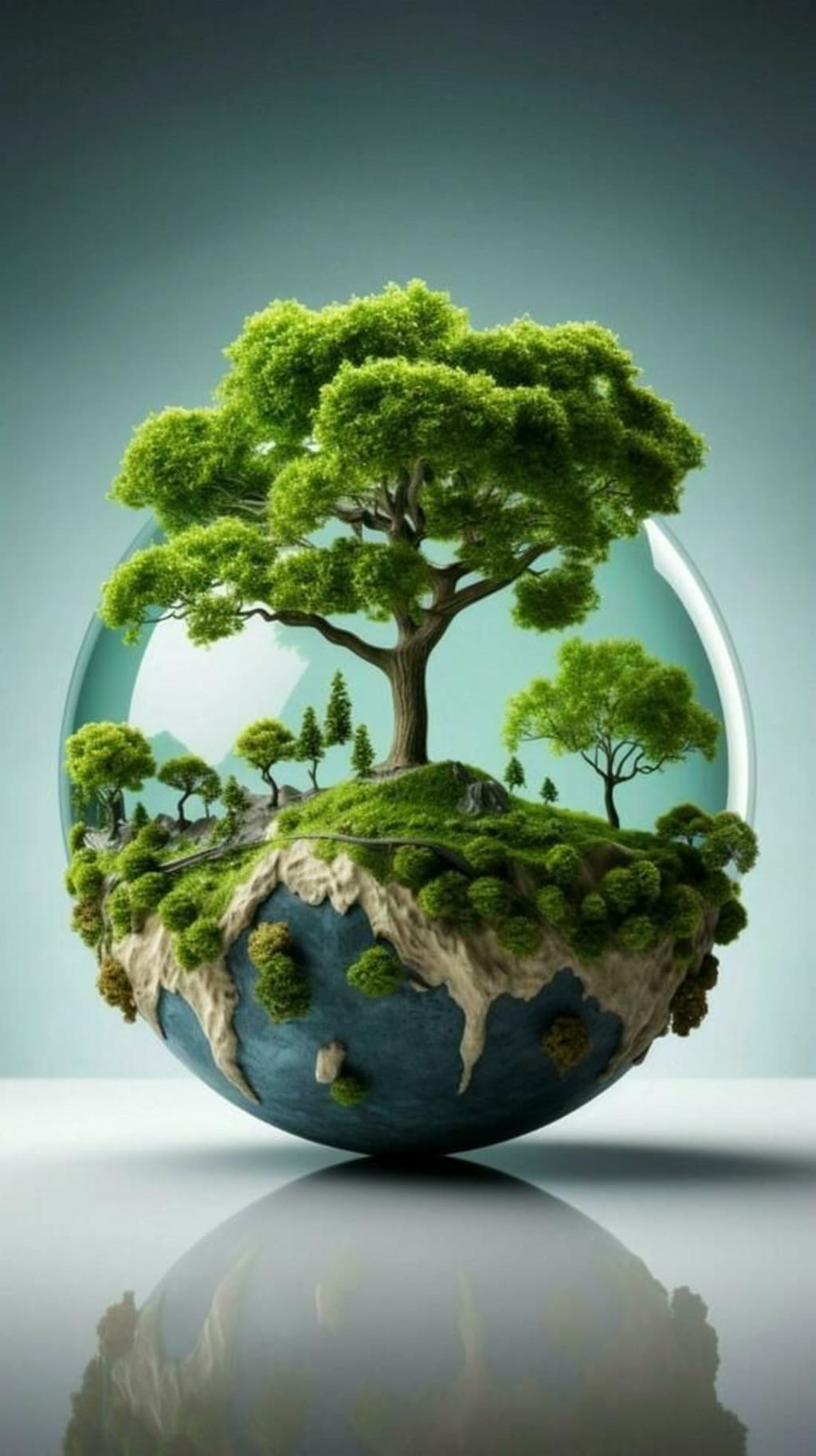
The Earth is the third planet from the Sun and the only known place in the universe that supports life. It has a diverse environment composed of land, water, and air, creating a range of habitats and ecosystems.
Structure and Composition
Core: The Earth has a solid inner core made primarily of iron and nickel, surrounded by a liquid outer core that generates the planet's magnetic field.
Mantle: Above the core is the mantle, a layer of semi-solid rock that slowly flows and moves, driving plate tectonics.
Crust: The Earth's outermost layer is the crust, a thin, solid shell divided into continental and oceanic plates.
Atmosphere and Climate
The Earth’s atmosphere is a mixture of nitrogen (78%), oxygen (21%), and other gases. It plays a crucial role in regulating temperature, protecting life from harmful solar radiation, and enabling weather patterns and the water cycle. The climate varies from tropical to polar, driven by factors like solar radiation, ocean currents, and atmospheric circulation.
Water and Life
About 71% of the Earth's surface is covered by water, primarily in oceans, with smaller amounts in rivers, lakes, and glaciers. Water is essential for all known forms of life, influencing climate and supporting diverse ecosystems.
Biosphere
The biosphere encompasses all living organisms and their interactions with the environment. It includes ecosystems ranging from forests and grasslands to deserts and oceans. Biodiversity, the variety of life forms, is crucial for ecosystem stability and resilience.
Geological Activity
The Earth is geologically active, with processes like plate tectonics, volcanic eruptions, and earthquakes shaping its surface. These processes create mountains, valleys, and ocean basins and play a vital role in the carbon cycle and nutrient distribution.
Human Impact
Humans have significantly impacted the Earth’s environment through activities like deforestation, pollution, and greenhouse gas emissions, leading to climate change and biodiversity loss. Sustainable practices are essential to mitigate these effects and preserve the planet for future generations.
In summary, the Earth is a dynamic and complex planet with a delicate balance of systems that support life. Understanding and protecting these systems is crucial for the well-being of all its inhabitants.
About Earth 1000 words
ChatGPT
The Earth: A Comprehensive Overview
The Earth, our home planet, is a unique and dynamic world teeming with life. It is the third planet from the Sun and the fifth largest in the solar system. Understanding Earth's structure, composition, climate, ecosystems, and human impact is crucial for appreciating its complexity and addressing the challenges it faces.
Structure and Composition
1. Core:
At the heart of the Earth lies the core, composed of two parts: a solid inner core and a liquid outer core. The inner core, with a radius of about 1,220 kilometers, is primarily made of iron and nickel and remains solid due to immense pressure despite its high temperature, estimated to be around 5,400°C. Surrounding the inner core is the liquid outer core, about 2,200 kilometers thick. The movement of molten metal in this layer generates the Earth's magnetic field, which shields the planet from solar wind and cosmic radiation.
2. Mantle:
Above the core is the mantle, a thick layer of rock extending up to 2,900 kilometers from the Earth's surface. The mantle is composed of silicate minerals rich in magnesium and iron. While mostly solid, it behaves plastically over geological time scales, allowing for the slow, convective movement that drives plate tectonics. This process is responsible for the creation and destruction of the Earth's crustal plates.
3. Crust:
The Earth's outermost layer is the crust, a thin, rigid shell divided into continental and oceanic regions. Continental crust is thicker (averaging about 35 kilometers) and composed primarily of granitic rocks, while oceanic crust is thinner (averaging about 7-10 kilometers) and primarily basaltic. The crust is broken into tectonic plates that float on the semi-fluid upper mantle (asthenosphere). Plate interactions cause earthquakes, volcanic activity, and the creation of mountain ranges.
Atmosphere and Climate
The Earth’s atmosphere is a vital layer of gases enveloping the planet, composed mainly of nitrogen (78%), oxygen (21%), and trace amounts of other gases such as argon, carbon dioxide, and water vapor. This mixture of gases supports life and regulates the planet's climate.
1. Layers of the Atmosphere:
The atmosphere is divided into several layers based on temperature gradients:
Troposphere: Extending up to about 12 kilometers above the Earth's surface, this layer contains most of the planet's weather, as it holds the majority of the atmosphere's water vapor and aerosols.
Stratosphere: Ranging from 12 to 50 kilometers, it contains the ozone layer, which absorbs and scatters ultraviolet solar radiation.
Mesosphere: Extending from 50 to 85 kilometers, this layer is where most meteorites burn up upon entering the Earth's atmosphere.
Thermosphere: From 85 to 600 kilometers, temperatures rise significantly, and it is home to the ionosphere, which reflects radio waves and facilitates communication.
Exosphere: Extending from the top of the thermosphere out into space, it is a thin, outermost layer where atmospheric particles escape into space.
2. Climate:
Earth's climate is influenced by its position relative to the Sun, the tilt of its axis, and the movement of ocean currents and atmospheric circulation. The planet experiences diverse climatic zones:
Tropical: Near the equator, characterized by warm temperatures and significant rainfall.
Arid and Semi-Arid: Found in regions like deserts, with minimal precipitation and extreme temperatures.
Temperate: Located in mid-latitudes, with moderate temperatures and distinct seasons.
Polar: Near the poles, characterized by extremely cold temperatures and ice-covered landscapes.
Water and Life
Water covers about 71% of the Earth's surface, primarily in oceans, with smaller amounts in rivers, lakes, and glaciers. This vast presence of water plays a crucial role in shaping the planet's climate, supporting ecosystems, and sustaining life.
1. Hydrosphere:
The hydrosphere encompasses all of Earth's water, including oceans, ice caps, glaciers, rivers, lakes, and underground aquifers. The water cycle, driven by solar energy, involves the processes of evaporation, condensation, precipitation, and runoff, distributing water across the planet and regulating climate.
2. Oceans:
The Earth's oceans are vast bodies of saltwater that regulate climate by absorbing and storing solar energy, distributing heat through currents, and influencing weather patterns. They are home to diverse ecosystems, from coral reefs to deep-sea vents, supporting a wide range of marine life.
3. Freshwater Systems:
Freshwater is vital for terrestrial life and is found in rivers, lakes, and groundwater. These systems provide drinking water, irrigation for agriculture, and habitats for numerous species. Wetlands, which include marshes, swamps, and bogs, are crucial for water purification, flood control, and supporting biodiversity.
Biosphere
The biosphere encompasses all living organisms on Earth and their interactions with the environment. It includes diverse ecosystems such as forests, grasslands, deserts, and oceans, each supporting unique communities of plants, animals, and microorganisms.
1. Ecosystems:
Ecosystems are dynamic communities of living organisms interacting with their physical environment. Key ecosystems include:
Forests: Vital for carbon sequestration, climate regulation, and habitat provision. They include tropical rainforests, temperate forests, and boreal forests.
Grasslands:
ChatGPT can make mistakes.
About the Creator
Keep reading
More stories from Goleti thirumal and writers in Earth and other communities.
Understanding Natural Climate
Natural climate encompasses the long-term average of weather conditions in a region, typically over 30 years or more. This concept includes various elements such as temperature, precipitation, humidity, wind patterns, and seasons. These elements are influenced by multiple natural factors that operate on different timescales.
By Goleti thirumal 2 years ago in Earth
Red Ice Part 1
Northern Greenland, 1831 Anak finished loading the last of his equipment into his dog sled. All of his dogs were barking loudly with excitement. They knew what time it was, they knew what was about to happen. It's the middle of March and ice covers the entire region. Around this time of year, Anak and the other hunters head out for their seasonal walrus hunt. He checked his sled one final time to ensure he had everything they needed. Then he went to check on the other hunters to see of they were ready.
By Stonecreek7 days ago in Earth
Four Attacks in 48 Hours: How East Australia’s Beaches Became a ‘Perfect Storm’ for Sharks
East Australia’s coastline has been rocked by four shark attacks in just 48 hours, sparking widespread concern among beachgoers, locals, and authorities alike. While no fatalities were reported in some of these incidents, the frequency and severity of the attacks have left residents and tourists questioning why once-popular swimming spots suddenly became dangerous.
By Muhammad Hassana day ago in Earth




Comments
There are no comments for this story
Be the first to respond and start the conversation.