

Earth and Nature: Guardians of Our Existence
The Earth, our home for billions of years, is a complex and beautiful planet teeming with life and natural wonders. It is a delicate balance of intricate ecosystems, geological marvels, and awe-inspiring landscapes. In this essay, we will explore the symbiotic relationship between humanity and the natural world, emphasizing the importance of preserving and protecting our environment.
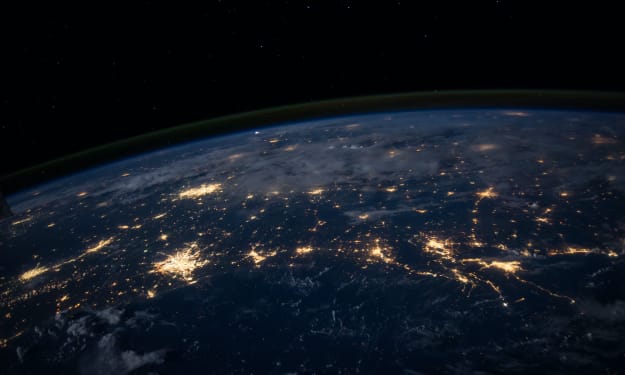
Earth, often referred to as the "Blue Planet" due to its vast oceans, is a unique celestial body in our solar system. Its distance from the sun and its moderate temperature range make it an oasis of life in the vastness of space. The diverse ecosystems found on Earth, from lush rainforests to barren deserts, are a testament to the planet's ability to support a wide variety of life forms.
One of the most remarkable aspects of Earth is its interconnected web of life. Every organism, from the tiniest microbe to the largest whale, plays a role in maintaining the balance of nature. This intricate dance of life ensures the survival of species and the sustainability of our planet. Unfortunately, human activities have disrupted this delicate balance.
The industrialization and urbanization of the last few centuries have brought about profound changes to our environment. The burning of fossil fuels, deforestation, and pollution have led to rising temperatures, extreme weather events, and the loss of biodiversity. These changes pose a threat not only to the environment but also to human well-being.
Nature provides us with essential resources for survival. Freshwater from rivers and lakes, fertile soil for agriculture, and the vast array of plants and animals that make up our food chain are all gifts of the Earth. However, our exploitation of these resources has reached unsustainable levels. Deforestation, overfishing, and the depletion of aquifers are all signs of our disregard for the limits of nature's bounty.
Furthermore, the consequences of our actions are not limited to the environment. The degradation of our natural surroundings has far-reaching implications for human health. Air pollution leads to respiratory diseases, contaminated water sources cause illnesses, and the loss of biodiversity reduces our ability to discover new medicines and adapt to changing environmental conditions.
In recent years, there has been a growing awareness of the need to protect our planet. Environmental movements and international agreements, such as the Paris Agreement on climate change, signify a global commitment to addressing the challenges we face. However, individual actions are equally important.
Conservation efforts have led to the creation of protected areas and the implementation of sustainable practices in agriculture and fishing. These initiatives aim to reduce our impact on the environment while ensuring the well-being of future generations. They demonstrate that humans can be stewards of the Earth, rather than its exploiters.
The concept of "sustainability" has become a central theme in our discussions about the environment. Sustainability means meeting our current needs without compromising the ability of future generations to meet their own needs. It requires a fundamental shift in our approach to resource management, energy production, and waste reduction.
Renewable energy sources, such as solar and wind power, offer a promising path towards a more sustainable future. They provide a clean and virtually limitless source of energy, reducing our reliance on fossil fuels and curbing greenhouse gas emissions. Transitioning to a low-carbon economy is not only an environmental imperative but also an economic opportunity, creating jobs and driving innovation.
In addition to technological solutions, changing our mindset is crucial in our quest for a sustainable future. We must rekindle our sense of wonder and respect for the natural world. Nature has provided us with inspiration, solace, and a sense of belonging for millennia. Reconnecting with the outdoors, whether through hiking, camping, or simply spending time in green spaces, fosters a deeper appreciation for the Earth and reinforces our commitment to its protection.
In conclusion, Earth and nature are not mere backdrops to our lives; they are our partners in existence. The well-being of the planet is intrinsically linked to our own well-being. As guardians of this remarkable planet, it is our responsibility to ensure its health and vitality for generations to come. By embracing sustainability, respecting the interconnectedness of all life, and taking meaningful actions to protect our environment, we can be stewards of Earth and ensure a harmonious coexistence with nature.
About the Creator
Keep reading
More stories from Abdulrehman Zafar and writers in Earth and other communities.
WORLD
Motivation: The Driving Force in Our World Motivation is the powerful engine that propels individuals and societies forward. It is the invisible force that stirs people to action, fuels their ambitions, and empowers them to overcome obstacles. In a world marked by complexity and challenges, motivation serves as the North Star guiding us towards personal and collective growth, success, and fulfillment.
By Abdulrehman Zafar2 years ago in Earth
Philippines Pharmaceutical Market 2026: Healthcare Access, Local Manufacturing & Treatment Demand
Philippines Pharmaceutical Market Overview The Philippines pharmaceutical market is experiencing steady growth as rising healthcare needs, expanding access to medicines and increasing public and private healthcare investment reshape the country’s medical landscape. Pharmaceuticals play a central role in treating acute and chronic conditions, supporting preventive care and improving overall quality of life. The Philippines pharmaceutical market growth reached USD 3.36 Billion in 2025. Looking forward, the market is expected to reach USD 3.91 Billion by 2034, exhibiting a growth rate (CAGR) of 1.71% during 2026-2034. This growth reflects population expansion, greater health awareness and gradual strengthening of domestic manufacturing capabilities.
By Manisha Dixit3 days ago in Earth
Public Announcement Challenge Winners
For the Public Announcement Challenge, writers were asked to work inside voices built for control. These were notices, warnings, and updates meant to inform rather than confess. The strongest entries committed to that form and didn't break from it. Corporate memos, formal government alerts, and internal policy language were held consistently, allowing emotion, fear, grief, or humor to surface indirectly through pressure rather than declaration. The following poems recognize the voice of authority, and let human feeling slip through despite all its rules and restraint.
By Vocal Curation Teamabout 17 hours ago in Resources



Comments
There are no comments for this story
Be the first to respond and start the conversation.