
Earth: A living planet in constant motion
Planet Earth, our home, is a unique wonder of the universe. Spinning on its axis, hurtling around the Sun, and constantly shifting and evolving, Earth is alive in more ways than we often realize. Its dynamic nature shapes the landscape, climate, and ecosystems that sustain the myriad of life found here. In this blog, we will explore some of the most interesting aspects of Earth and what makes it special.


A perfect balance for life
One of the most remarkable facts about Earth is its ability to sustain life. It sits in what astronomers call the Goldilocks Zone — a region around the Sun where conditions are just right for liquid water to exist. Without it, life as we know it would not be possible. Our unique combination of atmosphere, water, and temperature provides the perfect environment for the complex web of ecosystems that support millions of species.
The atmosphere made up of nitrogen, oxygen and trace gases not only allows us to breathe but also protects us from the sun's harmful radiation. Its greenhouse effect keeps the oceans warm enough to maintain the liquid oceans needed by Earth. These oceans play an important role in regulating the planet's climate.
Earth's moving crust
The Earth's surface may seem solid and unchanging in our daily lives, but in reality, it is constantly moving. This is due to the tectonic plates, huge slabs of Earth's crust that float beneath them in the semi-fluid mantle. Over millions of years, these plates have shifted, collided, and drifted apart, giving rise to continents, mountains, and ocean basins.
Volcanic eruptions and earthquakes are direct evidence of the action of these forces. While they can be destructive, they are also a reminder of the earth's incredible power. Volcanic activity has even played a role in the formation of the atmosphere, as gases released during eruptions contribute to maintaining the balance of gases necessary for life.

water planet
Earth is often called the "blue planet" because more than 70% of its surface is covered by water. This water exists in oceans, rivers, lakes, and glaciers and continuously cycles through the atmosphere in what is known as the hydrological cycle. This cycle ensures the distribution of water, allowing life to thrive in a variety of environments - from tropical rainforests to arid deserts.
Oceans are a world of their own, home to a wide range of life from the smallest plankton to the largest whales. They play an important role in regulating Earth's climate, absorbing carbon dioxide from the atmosphere, and distributing heat around the planet through ocean currents.
Climate and Weather: A Planet in Flux
One of the most important concerns for the Earth in the 21st century is the impact of human activities on the climate Earth's climate has always fluctuated, driven by natural processes such as volcanic activity and variations in Earth's orbit. However, human-induced climate change – resulting from fossil fuel burning and deforestation – is accelerating at an unprecedented rate. This leads to more extreme weather patterns, rising sea levels, and disruption of ecosystems.
Understanding and working to balance Earth's climate system is essential to safeguarding the future of life on our planet.
Biodiversity: Earth's greatest resource
Perhaps the most incredible feature of Earth is the diversity of life it supports. From microscopic organisms that thrive in extreme environments to complex ecosystems of forests, oceans, and grasslands, the planet teems with life. This biodiversity is important for maintaining ecological balance and resilience, allowing natural processes such as pollination, carbon cycling, and nutrient distribution to continue.
However, biodiversity is under threat due to habitat destruction, pollution, and climate change. Conservation efforts around the world aim to protect and restore ecosystems to ensure that Earth remains a habitable place for all species, including humans.

A fragile world
Despite its enormous size and power, the Earth is fragile. The thin layer of atmosphere that protects us from the harshness of space, the delicate balance of ecosystems, and the limited resources they provide all remind us of the need for stewardship. Our actions today will determine the future health of the planet, and there is a growing global recognition of the need to protect and preserve the Earth for future generations.
Conclusion
Earth is a living, breathing planet—Always evolving and home to an extraordinary diversity of life. Its delicate balance of conditions makes it the perfect home for humanity and countless other species. But with this benefit comes responsibility. As we continue to learn more about our planet, it is clear that we must act as stewards, ensuring that Earth is a vibrant, sustainable home for all life.
Let's celebrate the beauty of the Earth and commit to protecting it for the future.
About the Creator
MD BYZID
hi all
A building's lifetime climate impact is mostly determined by its daily energy use.
The majority of a building's climate impact is not caused by its construction. As the heating, lighting, and ventilation systems continue to function year after year, it gradually accumulates.
By Francis Dami4 days ago in Earth
Workers Recover 15,000 Crabs After Lorry Crashes Into Field
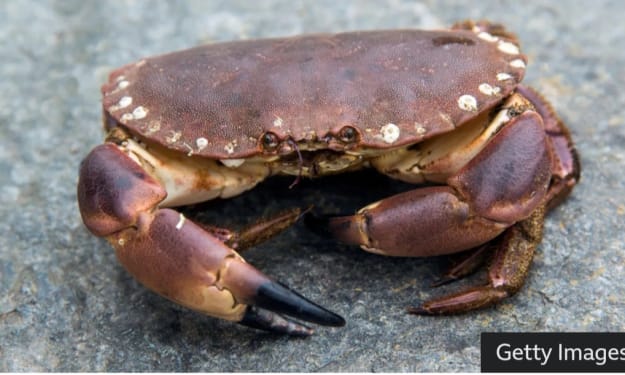
An extraordinary scene unfolded when a lorry carrying an estimated 15,000 live crabs crashed into a field, spilling its cargo across farmland and prompting a large-scale recovery effort. The unusual accident quickly drew attention from local residents, emergency services, and animal welfare groups, as workers scrambled to rescue as many crabs as possible before they succumbed to exposure.
By Aarif Lashari5 days ago in Earth
Ludacris and Nelly draw backlash over bookings at MAGA-coded music festival
Ludacris and Nelly headlining a mostly right-wing event is good for them. It’s also great for the genre of hip hop. The two rap veterans have showcased their talents on other stages. Why can’t they perform for mostly MAGA folks and grab that bag?
By Skyler Saunders4 days ago in Beat



Comments
There are no comments for this story
Be the first to respond and start the conversation.