
Drilling Mud: Unveiling its Vital Role in the Oil and Gas Industry
drilling fluid importance
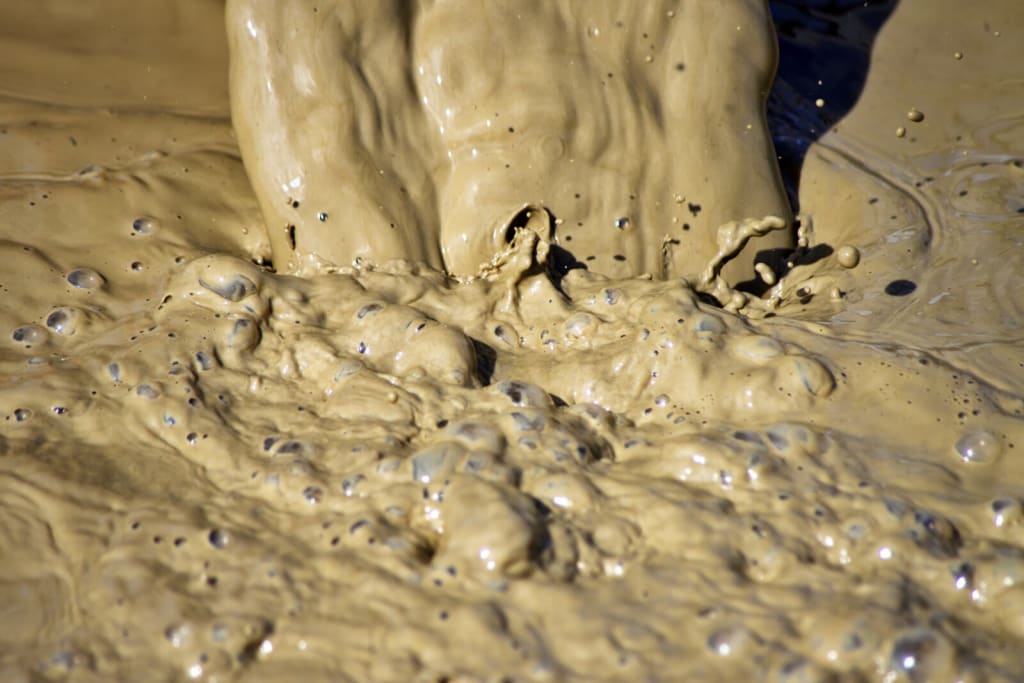
Drilling mud, also known as drilling fluid, is an integral component in the oil and gas industry, playing a crucial role in the drilling process. It is a specially formulated mixture that serves multiple functions, ranging from cooling and lubricating the drill bit to stabilizing the wellbore and carrying cuttings to the surface. This article aims to explore the diverse applications and benefits of drilling mud. We will delve into its composition, properties, and the various types of drilling mud used in drilling operations worldwide.
Composition and Properties :
Drilling mud is a complex blend of different additives and base fluids, carefully engineered to meet the specific requirements of each drilling operation. The base fluid can be water, oil, or a synthetic fluid, depending on the drilling conditions. Various additives are then introduced to enhance the mud's properties. These additives can include clays, polymers, weighting agents, viscosities, and surfactants. The combination and concentration of these additives determine the overall characteristics of the drilling mud.
The properties of drilling fluid are critical in achieving efficient drilling operations. It must have the right density to balance the pressure exerted by the subsurface formations, preventing unwanted influxes of formation fluids. The viscosity of the mud affects its ability to suspend and transport drill cuttings to the surface. Additionally, drilling mud must exhibit good lubrication properties to reduce friction on the drill bit and cooling capabilities to dissipate heat generated during drilling.
Functions and Applications :
Drilling mud serves a multitude of functions throughout the drilling process. First and foremost, it cools and lubricates the drill bit, reducing the risk of overheating and premature bit wear. The mud's cooling properties are particularly crucial in deep and high-temperature wells. By carrying away the heat generated by the drilling action, the mud helps maintain optimal drilling conditions.
Another vital function of drilling mud is to stabilize the wellbore. As the drill penetrates different formations, the mud creates a hydrostatic pressure that counteracts the formation pressures, preventing well blowouts and maintaining wellbore stability. The mud also forms a filter cake on the wellbore wall, which helps reduce fluid loss into the surrounding formations.
Drilling mud also aids in the removal of drill cuttings from the wellbore. The high viscosity and suspension properties of the mud allow it to carry the cuttings to the surface, preventing them from settling and obstructing the drilling process. Additionally, the mud's density can be adjusted by adding weighting agents, ensuring the hydrostatic pressure remains balanced and preventing well control issues.
Different types of drilling mud are used based on the specific drilling conditions. Water-based mud (WBM) is cost-effective and environmentally friendly, commonly used in shallow wells and non-sensitive formations. Oil-based mud (OBM) offers better lubrication and temperature stability, making it suitable for challenging drilling environments with high temperatures or complex formations. Synthetic-based mud (SBM) combines the advantages of both WBM and OBM, providing enhanced performance in terms of lubrication, temperature resistance, and low toxicity.
Environmental Considerations and Disposal:
Proper management of drilling mud is essential to minimize environmental impacts. Spent drilling mud, contaminated with drill cuttings and chemical additives, must be carefully handled and disposed of in accordance with regulatory guidelines. Depending on the jurisdiction and the composition of the mud, various disposal options are available, including treatment and recycling, off-site disposal, or re-injection into designated wells.
In recent years, the industry has focused on developing environmentally friendly drilling mud formulations. This includes the use of bio-based additives, biodegradable fluids, and improved waste.
About the Creator
Keep reading
More stories from asia gilsonite and writers in Earth and other communities.
About Asia Gilsonite Company
Asia Gilsonite Company is a long-standing source supplier in the Gilsonite industry, renowned for providing top-notch products. From the advantages of using this company as your primary source to its vast selection of Gilsonite offerings, this article will take you through all the details. So why choose this famous company? Experts vouch that their Gilsonite collection is high-quality and unmatched in its complexity and novelty, a reflection of the company's decades of experience in this field. And with an efficient delivery system and unparalleled customer service, you can rest assured that you are in the right hands.
By asia gilsonite3 years ago in Earth
US Government Partially Shuts Down Despite Last-Minute Funding Deal
The United States government has entered a partial shutdown, even after lawmakers announced a last-minute funding deal intended to avert disruption. The development highlights persistent political gridlock in Washington and underscores how narrow margins, internal party divisions, and procedural delays can still trigger government paralysis.
By Aarif Lashari6 days ago in Earth




Comments
There are no comments for this story
Be the first to respond and start the conversation.