
"Degrees of Disaster"
"Every Degree Warms the Danger"
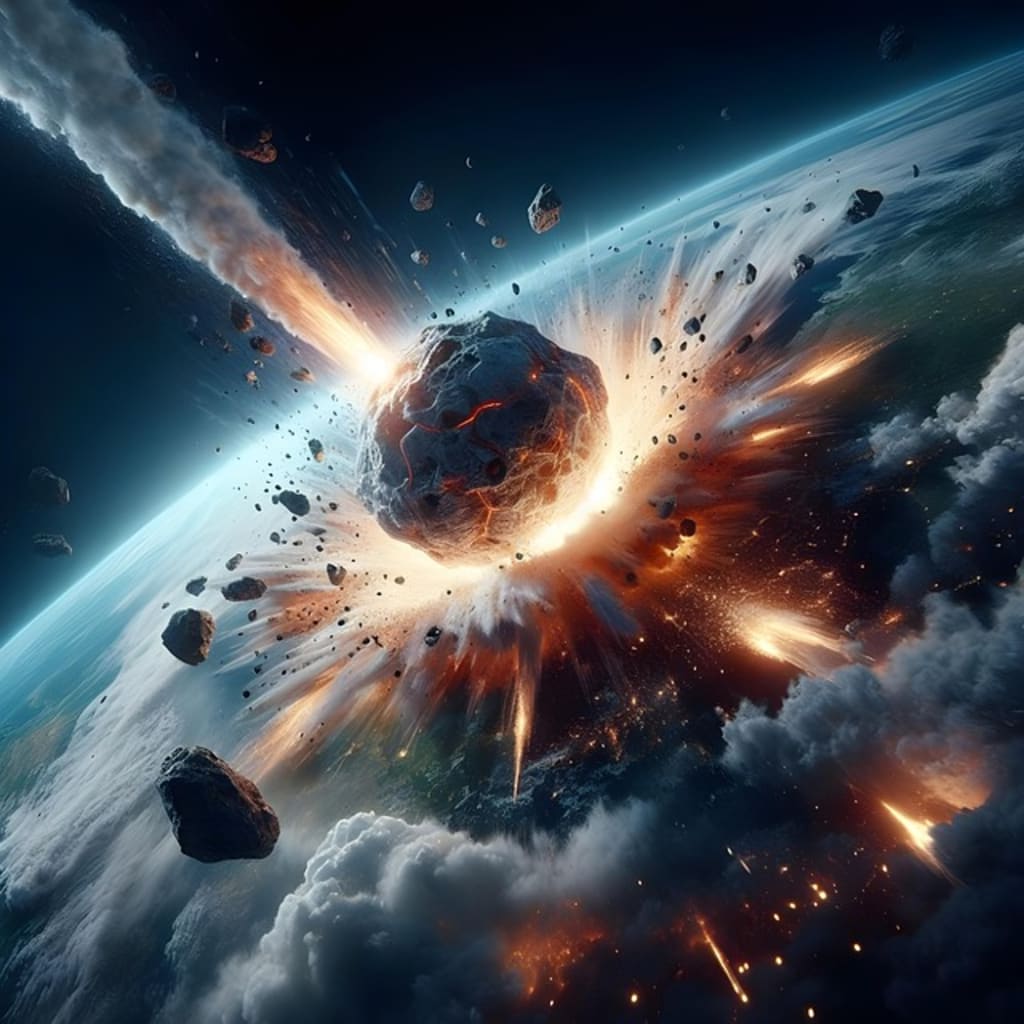
Degrees of Disaster: Every Degree Warms the Danger
In a quiet coastal village, the tide once kissed the sea wall at dawn and retreated by midday. But now, each sunrise brings apprehension. Fishermen return to shrinking harbors; wetlands are vanishing under unrelenting waves. The villagers started calling it the “degree that changed everything.” For every fraction of a degree the Earth warms, danger expands not gradually, but exponentially.
1. A Planet on Speed
Since the Industrial Revolution, global surface air temperature has risen by roughly 1.1 °C above preindustrial levels—an anomaly never recorded in the last 2,000 years. That single degree has unleashed powerful storms, relentless droughts, and record-shattering heatwaves. Crucially, every additional tenth of a degree intensifies these hazards dramatically: more extreme rainfall, fiercer droughts, and longer-lasting heatwaves all amplified with each step .
2. The Science Behind the Surge
The secret lies in feedback loops and the nature of climate tipping points. Losing snow and ice decreases the albedo effect less sunlight is reflected, more is absorbed, and the planet warms further . Meanwhile, thawing permafrost releases methane, and warming air holds more water leading to ~18–30 % more frequent intense rainfall per °C than earlier climate models predicted. Tipping points like ice sheet collapse, reef die-offs, and Amazon rainforest faltering edge closer with each rising degree
3. Lives Measured in Degrees
Imagine three paths:
• At +1.5 °C, coral reefs face a 70–90 % decline; freshwater scarcity affects 350 million people; glaciers largely vanish.
• At +2 °C, coral collapse exceeds 99 %, sea levels rise hundreds of millimeters, and 3 billion face water scarcity
• Beyond 2 °C, risks skyrocket: 65 million more people hit by extreme heat every 5 years, biodiversity plummets, and irreversible tipping cascades are likely River communities flood, Atlantic storms grow stronger, and coastal cities face daily tidal threats all because each degree multiplies peril.
4. Disasters Unfolding Now
• Europe's early-summer heatwave in 2025 shattered records—46 °C in Spain, Portugal, and the UK, with wildfires igniting. Scientists warn warming near 1.5 °C will make such extremes routine .
• Texas floods, fueled by moisture-laden storms and topography, killed over 90 people forecasts predicted them, but warnings weren’t acted upon.
• India’s urban heat islands are intensifying summers, doubling city temperatures and monsoon chaos as urbanization collides with climate trends
• Mega wildfires in Canada, spreading over 37 million acres, released 647 million tones of carbon, pushing regions into a “Pyrocene” era.
These aren’t distant warnings they are happening now, and each extra degree multiplies their intensity.
5. Degrees Separate Futures
The IPCC emphasizes that every fraction of a degree matters: at 1.5 °C, heatwaves are miserable; at 2 °C, they can be lethal. Floods grow 1.4–2× worse at 2 °C, increasing further with each degree. Water scarcity leaps from 3 billion to 4 billion at 4 °C warming. Food systems unravel, infectious diseases spread, mental health fractures every degree damages people, infrastructure, and ecosystems.
6. A Race Against Time
Current trends predict a 50 %+ chance of surpassing 1.5 °C before 2040 possibly as soon as the 2030s. To avoid 2 °C warming, emissions must peak by 2025 and drop sharply. Yet in 2024 alone, CO₂ emissions climbed to 41.6 Gt the highest ever. Without sweeping changes zero-carbon energy, forest protection, carbon removal, resilient infrastructure every degree brings cascading disaster.
7. Purpose in Action
But the story is not over. Communities are fighting back:
• Coastal towns elevate to break tide surges.
• Cities unveil heat action plans and plant urban forests.
• Nations build flood-resilient systems and early-warning networks.
• Indigenous land management practices restore ecosystem balance.
These efforts create flickers of hope but they need global scale and speed.
Conclusion:
Degrees of Disaster isn't just a title it’s a countdown. With each rising 0.1 °C, thresholds shift, and humanity inches closer to irreversible tipping. But there is still choice. Science shows that warming can be slowed and disasters can be reduced.
We stand at a decisive crossroads: fight for a half-degree saved, or watch cascading calamities unfold. Every fraction counts. Every deadline matters. Every action today determines whether we inherit a world defined by resilience or irreparable loss.
Time is not on our side but it is still in our hands.
About the Creator
Keep reading
More stories from Khurram Munir and writers in Earth and other communities.
"Warming Earth, Waning Time"
Warming Earth, Waning Time: Unveiling the Science and Consequences of a Changing Climate A hush settled over the planet an unsettling calm, like a world holding its breath. Beneath this silence, however, Earth’s systems were in turmoil. Science has made it clear: our planet is warming faster than ever, and the window to act is rapidly closing.
By Khurram Munir 7 months ago in Earth
Clintons to Testify in Epstein Inquiry
Reports that former U.S. President Bill Clinton and former Secretary of State Hillary Clinton could testify in an inquiry related to Jeffrey Epstein have sparked widespread international attention. The inquiry is part of ongoing efforts by authorities and investigators to understand the full scope of Epstein’s network, financial dealings, and connections with high-profile individuals.
By Aarif Lashari5 days ago in Earth



Comments
There are no comments for this story
Be the first to respond and start the conversation.