
Date Fruits and Its Benefits
How date help your body daily
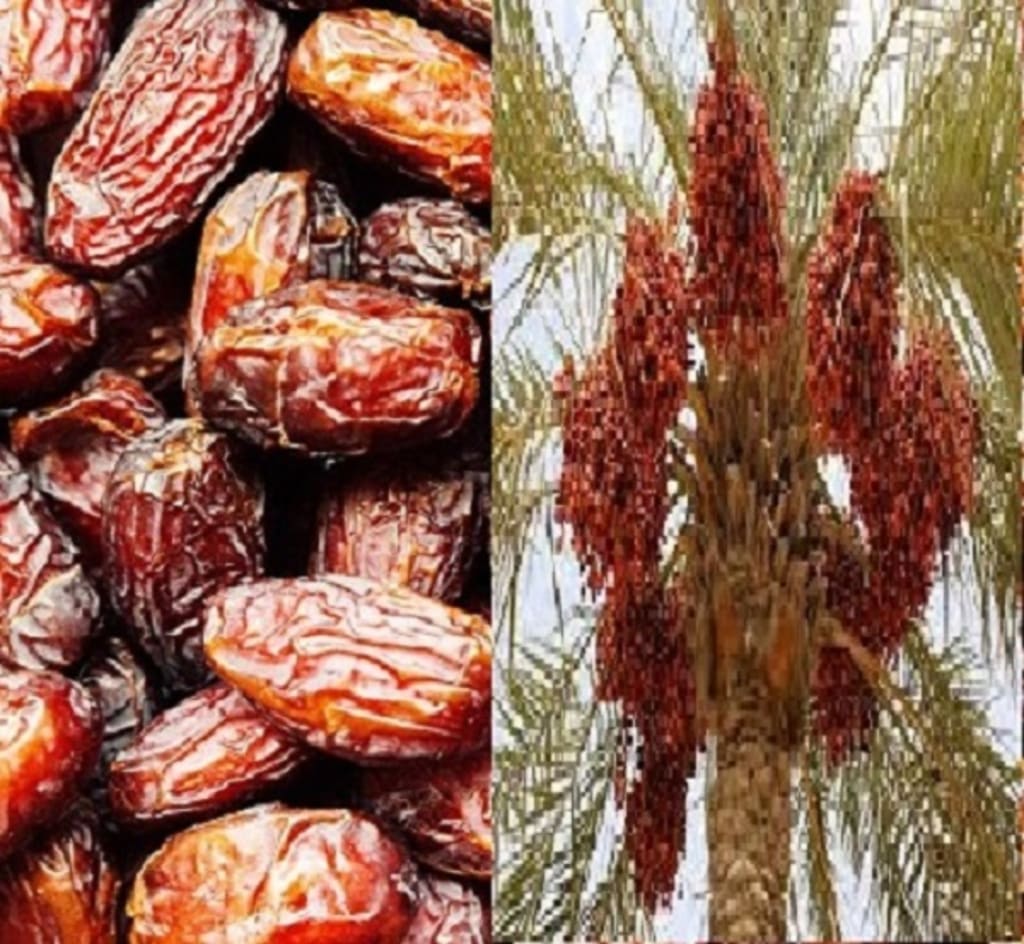
Date fruit is a sweet and nutritious fruit that grows on the date palm tree (scientifically known as Phoenix dactylifera). It is a popular fruit in many cultures and regions, particularly in the Middle East and North Africa, where date palms are commonly grown.
Dates are oval-shaped fruits with a wrinkled outer skin that ranges in color from bright red to amber or dark brown, depending on the variety. The flesh of the fruit is typically soft and sweet, with a caramel-like taste. Dates are often referred to as nature's candy due to their natural sweetness.
Dates have been cultivated for thousands of years and have a rich history in various cultures. They are not only enjoyed as a snack but also used in cooking and baking. Dates can be eaten fresh, but they are also commonly dried, which helps to extend their shelf life. Dried dates have a chewy texture and are often used in desserts, energy bars, and as a natural sweetener in recipes.
Nutritionally, dates are a good source of dietary fiber, potassium, magnesium, and antioxidants. They are also relatively high in calories due to their natural sugar content. Dates are known to provide a quick energy boost and are often consumed by athletes or individuals seeking a natural source of energy.
Dates offer a range of health benefits due to their nutritional composition and natural compounds.
Here are some of the key health benefits associated with consuming date fruits:
Nutrient-rich: Dates are packed with essential nutrients. They are a good source of dietary fiber, which aids digestion, promotes satiety, and helps maintain healthy cholesterol levels. Dates also contain vitamins such as vitamin A, vitamin K, and various B vitamins, which support overall health and well-being.
Antioxidant properties: Dates are rich in antioxidants, including flavonoids, phenolic acids, and carotenoids. These compounds help protect the body against oxidative stress, which can contribute to chronic diseases such as heart disease, cancer, and neurodegenerative disorders.
Heart health: Dates may have a positive impact on heart health. They are naturally low in sodium and high in potassium, which helps regulate blood pressure and maintain a healthy balance of fluids in the body. The fiber content in dates also plays a role in reducing cholesterol levels, which is beneficial for heart health.
Digestive health: The fiber in dates promotes healthy digestion by preventing constipation and supporting regular bowel movements. Dates also contain natural sugars, such as fructose, which can act as prebiotics, nourishing beneficial gut bacteria and promoting a healthy gut microbiome.
Bone health: Dates are a good source of minerals like calcium, magnesium, and phosphorus, which are essential for maintaining strong and healthy bones. These minerals contribute to bone density and help prevent conditions like osteoporosis.
Energy boost: Due to their natural sugars, such as glucose and fructose, dates provide a quick and sustained energy boost. They are often consumed by athletes or individuals engaging in physical activities to enhance performance and endurance.
Weight management: Despite being relatively high in calories, dates can be included in a healthy diet for weight management. The fiber and natural sugars in dates help promote feelings of fullness, reducing the likelihood of overeating. They can also satisfy sweet cravings in a more nutritious way compared to processed sweets.
Natural sweetener: Dates can be used as a healthier alternative to refined sugar in cooking and baking. Their natural sweetness adds flavor to dishes while providing additional nutrients. Using dates as a sweetener can be particularly beneficial for individuals looking to reduce their sugar intake.
Iron content: Dates are a good source of iron, a mineral essential for the production of red blood cells and the prevention of iron deficiency anemia. Incorporating dates into the diet can help boost iron levels, especially for individuals with increased iron requirements, such as pregnant women or those with certain medical conditions.
Anti-inflammatory properties: Some studies suggest that certain compounds found in dates, such as flavonoids and tannins, have anti-inflammatory effects. These properties may help reduce inflammation in the body, which is associated with various chronic diseases.
About the Creator
Samuel Bedel
B.sc Computer Science Holder, A tech and content writer, an internet content analyst, study and reviewer most solutions and challenging stories/topics.
I do real findings about lifestyle issues techs, internet and many more....
Keep reading
More stories from Samuel Bedel and writers in Earth and other communities.
True Happiness
On a sturdy apple tree, a mother dove lived peacefully with her tiny baby. The tree provided them with shelter, shade, and a sense of security. Every day, the mother dove would watch over her little one, teaching it to flap its wings, coo softly, and enjoy the calm of the natural world. Life had been simple, quiet, and safe for them, and she felt content in the little world that belonged entirely to her and her chick.
By Sudais Zakwan6 days ago in Earth




Comments
There are no comments for this story
Be the first to respond and start the conversation.