
Curious Paths to Butterfly-Friendly Plants
Uncover the best sources to cultivate a vibrant, butterfly-friendly garden with ease and curiosity.

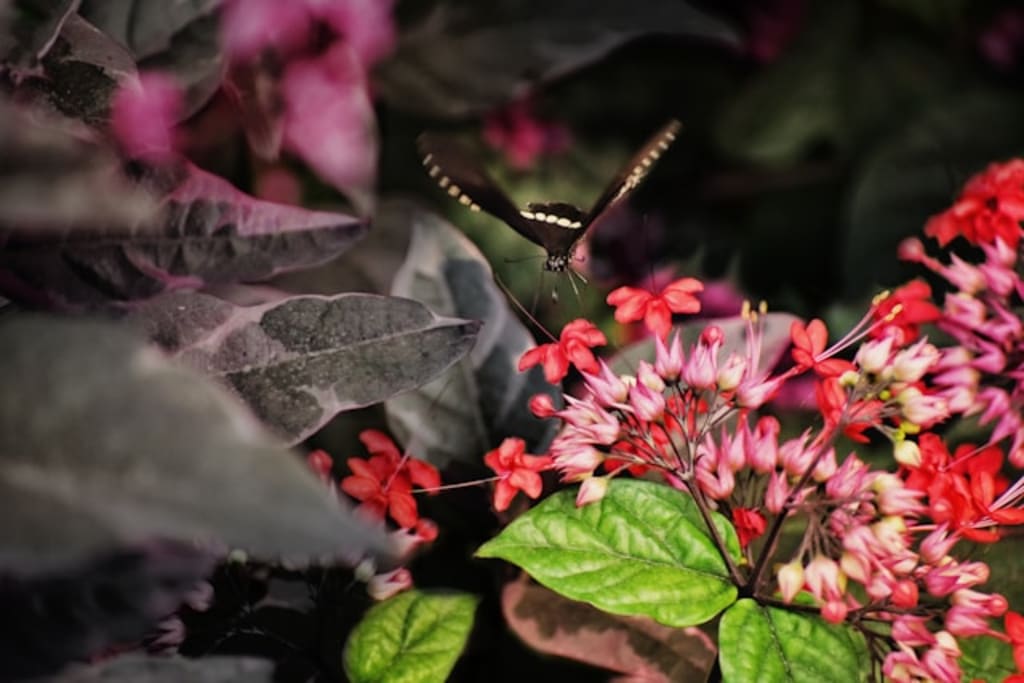
Have you ever wondered where the most vibrant, nectar-rich plants for your Lepidoptera garden are hiding? Imagine strolling through a virtual marketplace or a bustling farmers’ market, curiosity guiding you to discover the perfect milkweed or asters that will transform your backyard into a butterfly haven. In this guide, we’ll explore four fascinating avenues to acquire butterfly-friendly plants, each brimming with surprises for the inquisitive gardener eager to attract fluttering pollinators and nurture every stage of the butterfly lifecycle.
1. Online Native-Plant Nurseries for Region-Specific Selections
What if you could shop for plants tailored precisely to your USDA hardiness zone without leaving home? Online native-plant nurseries make this a reality by offering species propagated from local ecotypes—plants that already know your climate’s quirks. As you browse, you might notice that swamp milkweed (Asclepias incarnata) listed for your region thrives in your garden’s wet corners, while prairie coneflower (Echinacea purpurea) blooms relentlessly in drier patches. Detailed profiles guide you through each plant’s sun requirements and soil preferences, transforming the mystery of “Will this plant survive?” into a confident “Yes, it will!”
Curiosity deepens when you explore combo packs thoughtfully curated to stagger bloom times. Early-season blossoms like woodland asters can pave the way for mid-season goldenrods and late-season blazing stars, ensuring butterflies find nectar from April through October. And because these specialist nurseries avoid systemic insecticides, you’ll rest easy knowing caterpillars won’t fall victim to hidden toxins. So why not add a few unexpected treasures—perhaps a rare jewelweed or delicate golden Alexanders—to your cart? With doorstep delivery and expert guidance at your fingertips, your butterfly garden’s foundation becomes as surefooted as a butterfly’s graceful landing.
2. Local Garden Centers, Botanical Gardens, and Conservation Nurseries
Have you ever paused at a local garden center, wondering which display holds the next jewel for your butterfly sanctuary? Independent nurseries often welcome special orders, allowing you to reserve monarch milkweed or butterfly weed long before they appear on the benches. The thrill of inspecting a plant’s root health and foliage vigor in person cannot be overstated—every curled leaf or robust root ball tells a story of the plant’s potential success in your garden.
Botanical gardens and arboreta turn plant shopping into an educational adventure. Seasonal plant sales and native-plant festivals bring together volunteers and experts who can recommend host plants for local butterflies—perhaps violets for fritillaries or fennel for swallowtails. Purchase a seedling at one of these events, and you’re also supporting vital pollinator conservation projects. Some institutions even offer “pollinator garden” accreditation, complete with planting guidelines and discount vouchers, urging you to experiment with companion planting techniques that benefit butterflies and other beneficial insects.
For the deeply curious, conservation nurseries affiliated with native-plant societies open the door to seed exchanges and member-exclusive plant swaps. Imagine trading a cutting of wild indigo for a flame azalea seed packet and then witnessing these newcomers flourish under your care. Through workshops on layered habitats—combining host plants, nectar sources, and shelter—you’ll gather the know-how to shape a garden that nurtures butterflies from egg to adult, turning local conservation efforts into a hands-on discovery.
3. Farmers’ Markets and Community Plant Swaps
What stories lie behind the tiny potted plants at your neighborhood farmers’ market? Small-scale growers often begin their butterfly-friendly seedlings early in spring, filling stalls with pollinator mixes and starter packs of Joe-Pye weed, purple coneflowers, and more. Chatting with vendors reveals delightful insights: perhaps how their goldenrod survived a particularly harsh winter or which soil amendments helped boost nectar production. Bulk discounts—like buy-five-get-one-free deals—encourage you to experiment with an array of species, each with its own tale of resilience.
Community plant swaps add an element of adventure: you might arrive with common milkweed cuttings and return home with a precious cutting of blue vervain. These barter-based exchanges foster camaraderie among gardeners and accelerate the exchange of locally adapted plants that have weathered your exact microclimate. Informal workshops often emerge organically, as seasoned gardeners share advice on soil preparation, pest management, and interplanting strategies to deter aphids without harming caterpillars.
Beyond the tangible plants, these community events deepen your connection to regional pollinator networks. Every traded seedling carries local genetic adaptations, enriching your garden’s biodiversity and providing butterflies with the plants they instinctively recognize as food. By participating, you become part of a collaborative quest to strengthen butterfly populations and celebrate the wonders of community-driven gardening.
4. Mail-Order Seed Companies and Subscription Boxes
Have you considered the magic of coaxing a butterfly garden from a simple packet of seeds? Mail-order seed suppliers specialize in regionally adapted blends, such as monarch and swallowtail mixes that arrive with planting calendars keyed to your zip code. As you pore over sowing instructions, the prospect of stratifying perennial seeds in your refrigerator becomes a curious experiment in mimicking winter’s chill. The anticipation builds: will the asters and Joe-Pye weed sprout in earnest come spring, offering early-season blooms for hungry butterflies?
Subscription seed boxes add a layer of surprise to your gardening routine. Quarterly “Pollinator Mix” kits from botanical seed companies might introduce you to lesser-known natives like Culver’s root or wild basil, each chosen to extend your garden’s bloom timeline. Urban gardening services even tailor kits based on your soil type, light exposure, and butterfly targets, turning your gardening calendar into a personalized adventure map.
Growing from seed brings unparalleled genetic diversity to your garden—a crucial factor for caterpillars that may favor specific plant chemotypes. While patience is required (many perennials bloom in their second season), interplanting fast-growing annuals like cosmos or zinnias bridges the gap, ensuring nectar is always at hand. Starting seeds indoors under grow lights can offer an early edge, and dedicating in-ground beds to direct sowing fosters a tapestry of colors and host plants that beckon butterflies all season long.
Transforming your backyard into a Lepidoptera sanctuary begins with these curious explorations into plant sourcing. Whether you’re clicking through online nursery catalogs, inspecting seedlings at a garden center, swapping cuttings in your community, or nurturing seedlings from seed packets, each path offers its own delights and discoveries. Choose three to five host and nectar species to begin your journey, experiment with planting combinations, and marvel as caterpillars morph into vibrant butterflies. With curiosity as your guide and butterfly-friendly plants as your toolkit, your garden will soon hum with life, color, and the irreplaceable joy of supporting these enchanting pollinators.
About the Creator
Keep reading
More stories from Akito Kawahara and writers in Earth and other communities.
Best Places to Buy Butterfly-Friendly Plants for Your Garden
Creating a butterfly-friendly garden starts with selecting the right plants that attract and sustain these delicate pollinators. Choosing native and nectar-rich flowers helps butterflies find food and places to lay eggs. However, knowing where to buy quality butterfly-friendly plants is as important as the plants themselves. Finding trustworthy sources ensures you get healthy, suitable plants that thrive in your garden environment.
By Akito Kawahara10 months ago in Writers
Cassie and Johnny
I’m the kind of dame you notice. I’m no femme fatale, but you can’t ignore me, at least not until I warn you about what’s coming, then everybody ignores me. Hell, they usually blame me afterwards and give Johnny all the credit for saving the day, but my Johnny couldn’t save a seat at the movies without my help. Sure, he’s brawny, but brainy? Not so much. Like that time I asked him to spot me five bucks, and he said he didn’t see it anywhere on me, and believe you me, he looked but good.
By Harper Lewis5 days ago in Critique




Comments
There are no comments for this story
Be the first to respond and start the conversation.