
Crisis in Venezuela's Healthcare System
A Struggle for Survival

Venezuela, once considered one of Latin America's wealthiest nations, is now grappling with a severe humanitarian crisis, with its healthcare system bearing the brunt of the collapse. A combination of political, economic, and social factors has led to a profound deterioration of healthcare services, leaving millions of Venezuelans without access to essential medical care and exacerbating already dire living conditions. This article examines the crisis in Venezuela's healthcare system, its root causes, and the devastating impact on the country's population.
The Decline of Healthcare Infrastructure
Economic Meltdown
Venezuela's economic crisis, marked by hyperinflation, scarcity of basic goods, and a sharp decline in oil revenues (the country's main export), has severely affected public healthcare funding. A shrinking national budget allocated to the healthcare sector has led to a scarcity of medical supplies, equipment, and essential medicines.
Brain Drain
The economic crisis has triggered a mass exodus of healthcare professionals, including doctors, nurses, and specialists. Low wages, deteriorating working conditions, and a lack of essential resources have driven many healthcare workers to seek opportunities abroad, further straining the healthcare system.
Dilapidated Infrastructure
The lack of investment and maintenance in healthcare infrastructure has resulted in deteriorating hospitals and clinics. Many healthcare facilities suffer from inadequate sanitation, unreliable electricity, and malfunctioning medical equipment.
Shortages of Medicines and Medical Supplies
Venezuela faces acute shortages of medicines and medical supplies, making it increasingly challenging for patients to access life-saving treatments for chronic diseases and acute illnesses.
Healthcare and Humanitarian Impact
Rising Mortality Rates
The collapse of the healthcare system has contributed to an increase in mortality rates across Venezuela. Lack of access to medical care, medicines, and treatment options has led to preventable deaths from treatable illnesses.
Maternal and Child Health
Venezuela's maternal and child health indicators have sharply declined. Prenatal and postnatal care services are often unavailable or inadequate, leading to an increase in maternal and infant mortality rates.
Resurgence of Vaccine-Preventable Diseases
The scarcity of vaccines and a weakened healthcare infrastructure have resulted in the resurgence of vaccine-preventable diseases, such as measles and diphtheria.
Mental Health Crisis
The protracted crisis has taken a toll on the mental health of Venezuelans. The combination of economic hardships, insecurity, and lack of access to mental health services has exacerbated psychological distress among the population.
Humanitarian Organizations' Response
International humanitarian organizations, such as Médecins Sans Frontières (Doctors Without Borders), have been instrumental in providing medical aid and assistance to vulnerable populations in Venezuela. These organizations play a critical role in delivering healthcare services and essential medical supplies to areas with the greatest needs. However, due to the challenging political and economic landscape, humanitarian access and operations in Venezuela remain complex.
The Role of Politics and Governance
Political Turmoil
Venezuela's political crisis, characterized by a power struggle between the government and opposition forces, has further complicated efforts to address the healthcare crisis. The political deadlock has hindered the implementation of comprehensive reforms and the allocation of resources to the healthcare sector.
Mismanagement and Corruption
Widespread corruption within the healthcare system has exacerbated the crisis, leading to misallocation of funds, diversion of resources, and procurement of substandard medical supplies.
Lack of Transparency
The lack of transparency in the management of public funds and healthcare resources has fueled public mistrust and hindered effective monitoring and accountability mechanisms.
Addressing the Crisis: A Way Forward
International Support
The international community must continue providing humanitarian aid and support to address the healthcare crisis in Venezuela. Collaborative efforts from governments, non-governmental organizations, and humanitarian agencies are essential to deliver life-saving aid to those in need.
Strengthening Healthcare Infrastructure
Investing in healthcare infrastructure, including hospitals, clinics, and medical equipment, is crucial to rebuilding a functional healthcare system in Venezuela.
Prioritizing Essential Medicines
Prioritizing the availability and distribution of essential medicines can significantly improve access to life-saving treatments for chronic and acute illnesses.
Retaining and Attracting Healthcare Professionals
Implementing measures to retain healthcare professionals, including offering competitive wages and improving working conditions, can help mitigate the brain drain of skilled medical personnel.
Promoting Public-Private Partnerships
Public-private partnerships can play a role in addressing the healthcare crisis by leveraging private sector resources and expertise to support the delivery of healthcare services.
Advocacy for Human Rights and Access to Healthcare
The international community must continue advocating for human rights and access to healthcare in Venezuela, urging the government to prioritize the well-being of its population.
The crisis in Venezuela's healthcare system is a tragic manifestation of a broader humanitarian crisis that has left millions of Venezuelans struggling for survival. The convergence of economic decline, political turmoil, and social challenges has severely undermined the provision of essential healthcare services, resulting in a devastating impact on the country's population. Addressing this crisis requires a multifaceted approach, involving international support, healthcare infrastructure investments, and efforts to retain healthcare professionals. As Venezuela seeks to rebuild its healthcare system, it is essential for the international community to stand in solidarity with its people and work together to alleviate the suffering and improve access to vital medical care.
About the Creator
WM
what matters
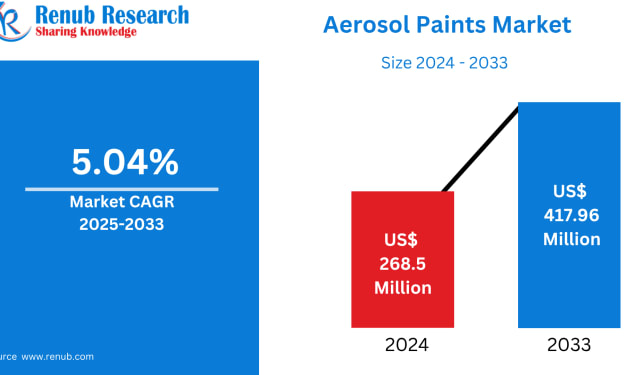
Global Aerosol Paints Market Forecast 2025–2033
Introduction The global aerosol paints market is steadily transforming from a niche convenience product into a mainstream coating solution used across industries, homes, and creative spaces. In 2024, the market was valued at USD 268.5 million, and it is projected to reach USD 417.96 million by 2033, expanding at a CAGR of 5.04% during 2025–2033, according to Renub Research. This growth is driven by the convergence of DIY culture, automotive customization, construction activity, and industrial maintenance needs, alongside innovation in eco-friendly formulations and application technologies.
By Aaina Oberoiabout 2 hours ago in Earth
The timing of Earth's ice ages may be influenced by Mars.
According to recent calculations, Mars may influence the date of ice ages by helping to establish a 2.4 million-year rhythm in Earth's orbit. Recently, researchers investigated the possibility of a tiny planet leaving a discernible imprint in long-term climate records.
By Francis Dami7 days ago in Earth



Comments
There are no comments for this story
Be the first to respond and start the conversation.