
Creatures from the Swamp
Wildlife living in and around swamps

Swamps are forested wetlands that are very often named for their trees. Therefore, you can find hardwood, cypress, cedar, and saltwater mangrove swamps. The only continent in the world that does not have swamps is Antarctica.
Among the best-known swamps in the US are the Okefenokee Swamp in Georgia, the Great Dismal Swamp in Virginia, and the Everglades in Florida.
Let’s take a look at the creatures that live in swamps.
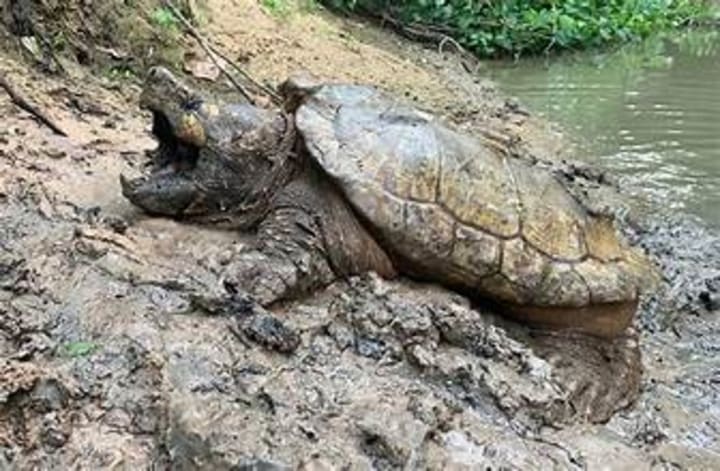
Alligator snapping turtles live deep in southern US swamps. They survive by blending into the muddy waters. These turtles lure their prey by using their pink, worm-like tongues. Alligator snapping turtles are mostly carnivorous, eating fish, snails, and at times small alligators. Since they rarely travel, they spend most of their lives submerged.
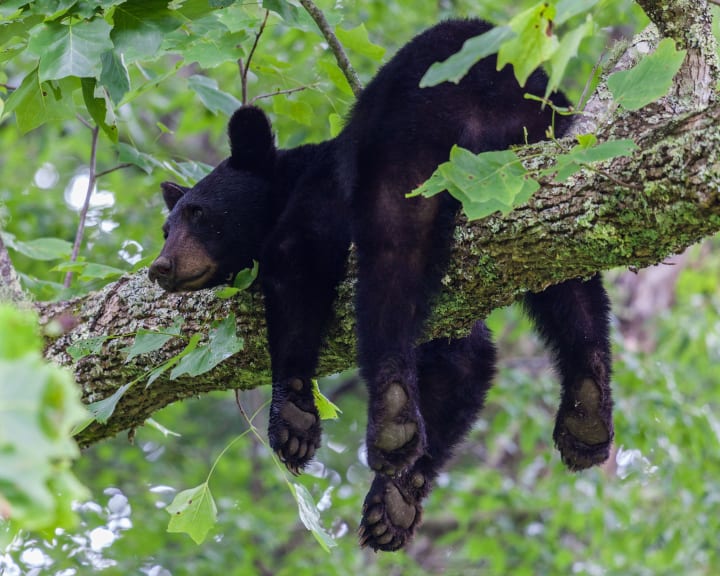
American black bears are well-known dwellers of the Okefenokee Swamp and other wetlands. They are powerful animals weighing about 300 pounds and standing over six feet on their hind legs. Though black bears can and do eat fish and other mammals, they are also satisfied with nuts, fruits, and berries.
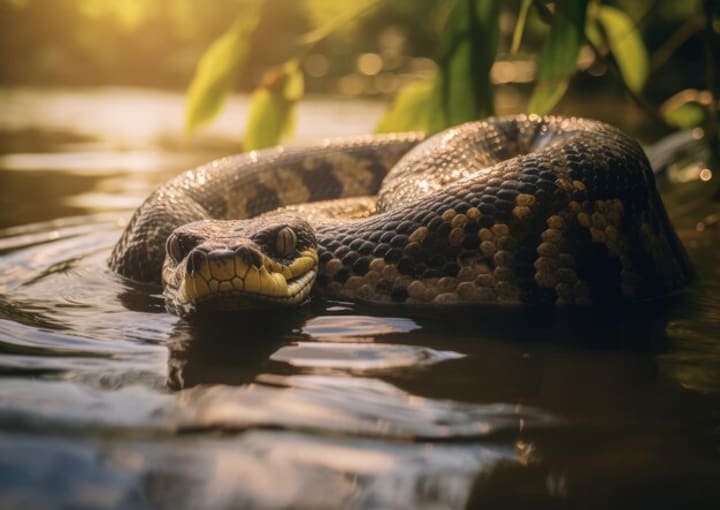
Anacondas, the biggest snakes on Earth, live in swamps. These are a type of boa constrictor that grow up to 30 feet long and weigh up to 550 pounds. There are four types of anacondas, but the biggest and best known is the green anaconda. These make their home in the rivers and swamps of South America and some Caribbean islands.
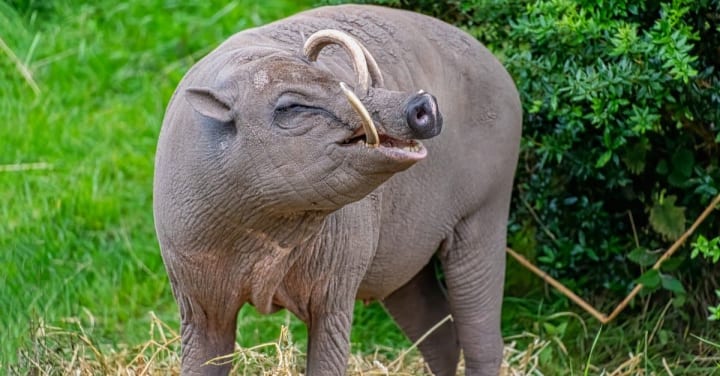
Babirusas are pig-like animals native to the rainforest swamps on the Indonesian islands of Sulawesi, Togian, Sula, and Buru. Male babirusas have four tusks. Unfortunately, these animals are vulnerable, with only about 1,000 left in Indonesia.
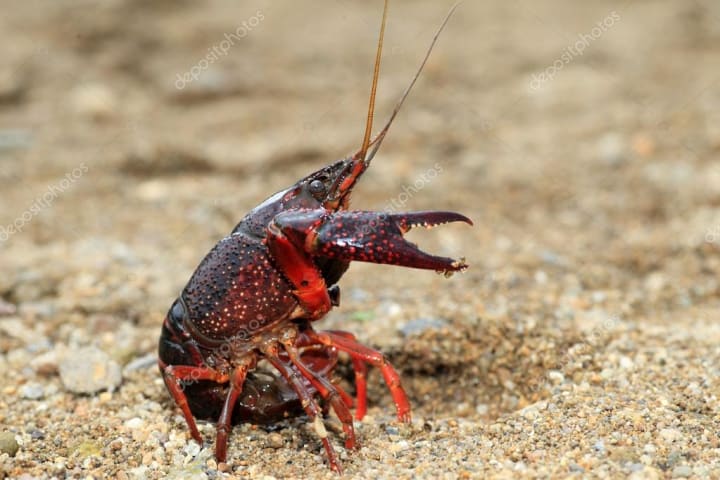
In the US state of Louisiana crayfish are a delicacy. Red swamp crayfish originated in the wetlands between the Florida panhandle and Mexico but have spread to other areas. They are omnivores.
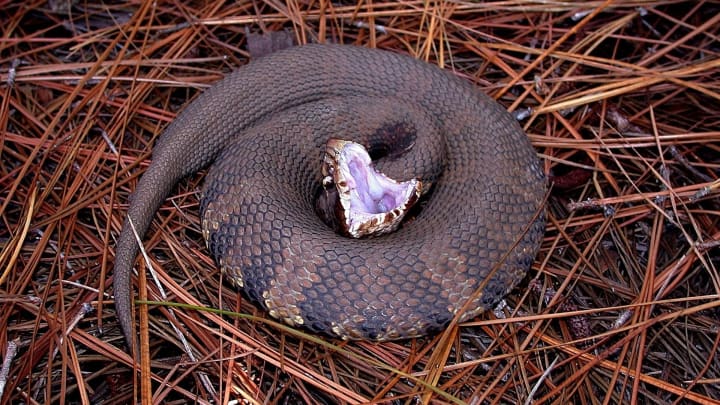
Cottonmouth snakes are found in southeastern US states like Florida and Louisiana. They inhabit swampy lowlands. Their diets consist of fish, frogs, and small mammals while hunting at night. They can swim with just their heads above water for long periods.
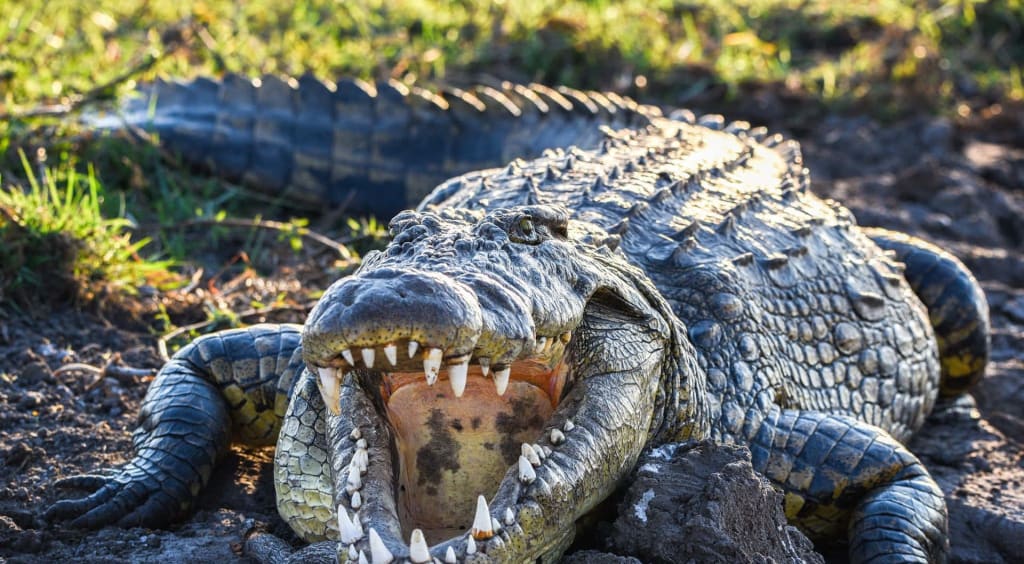
Crocodilians (See above)
There are 23 species of crocodilians, among them alligators, crocodiles, caimans, and gharials. They all live in wetlands in every continent except for Europe and Antarctica. They catch their prey with their large teeth.
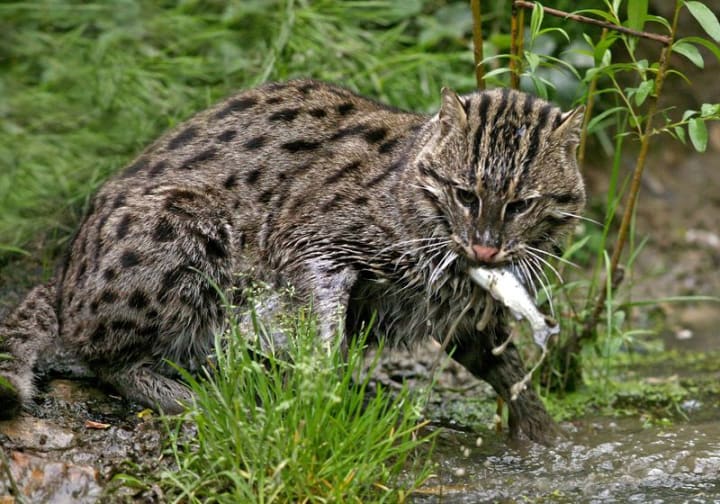
Fishing cats are swamp dwellers with webbed paws for swimming. They mostly exist on fish and live in both freshwater and saltwater wetlands. These creatures can be found in parts of Southeast Asia, especially Burma and the Himalayas.
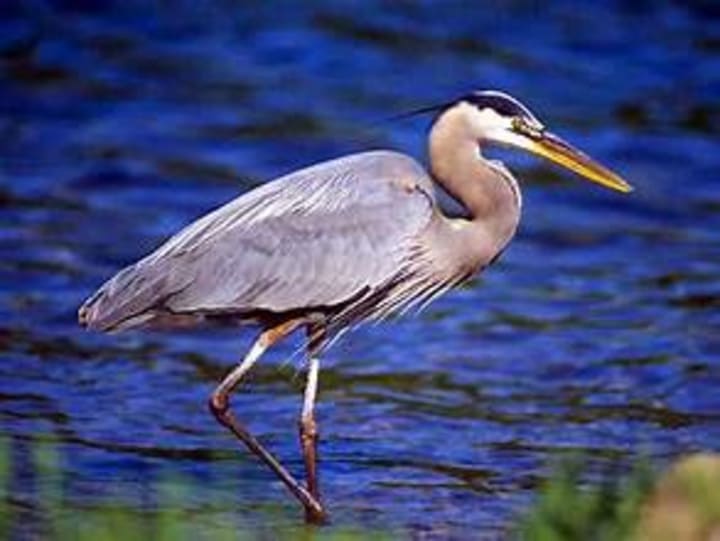
Great blue herons are graceful birds that migrate from northern areas to the Caribbean and Mexico. They stand in the shallow water of a swampy wetland, waiting for fish or crustaceans to have for dinner.
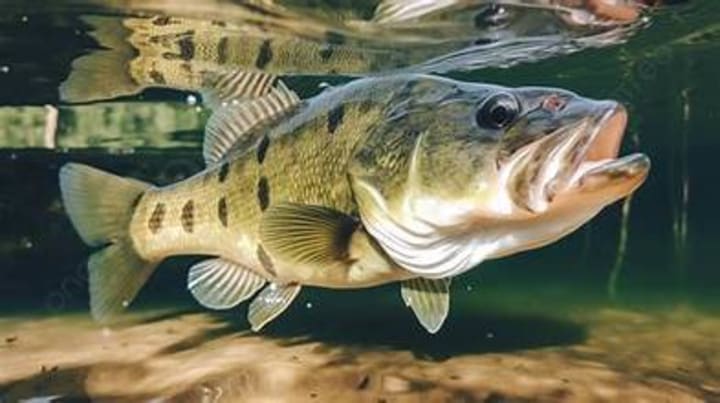
Largemouth bass are found throughout much of North America. They live in a variety of different wetland areas, among them swamps, but only survive in cleaner water with plenty of oxygen. They hide out in vegetation, waiting to ambush insects and smaller fish.
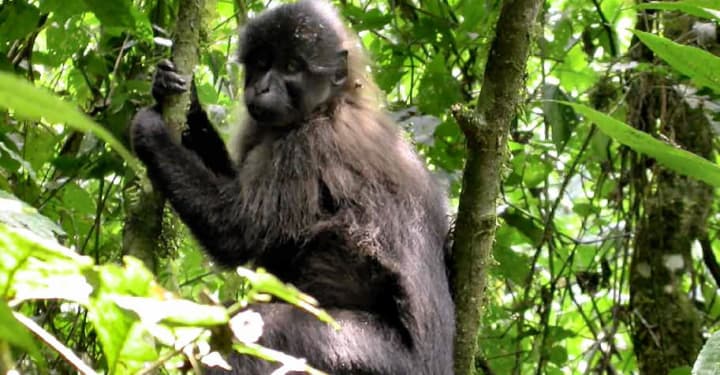
Mangabeys are among the rarest monkeys on Earth and are found only in African swamps. They come in various colors from gold to black. Some monkeys have markings that look like beards, and others have crests of fur on their heads. Being true creatures of the swamp, they have webbing between their feet to make it easier to swim.
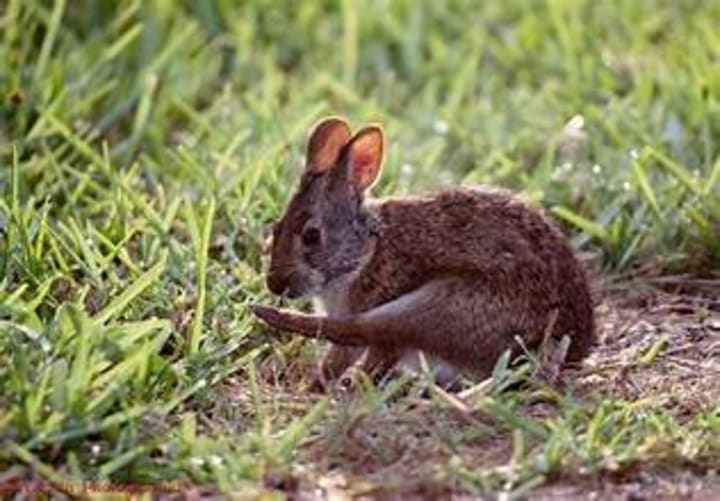
Marsh rabbits are endangered semi-aquatic mammals found in the southern and eastern marshes in the US. Look for short, round ears and a head, tail, and feet that are smaller than those of eastern cottontail rabbits.
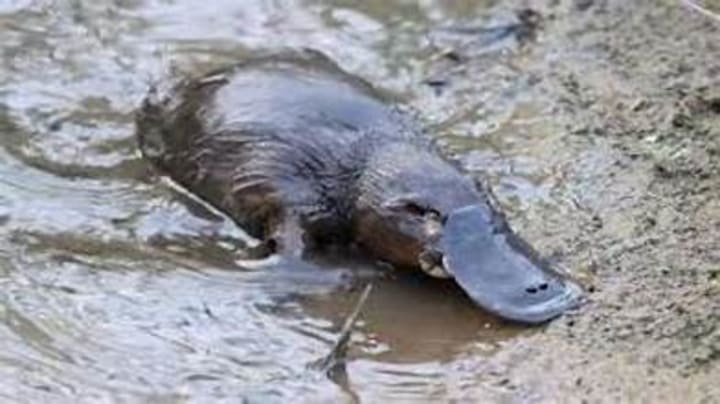
Platypuses are found in Australian swamps. These are highly poisonous animals, capable of giving venom containing over 80 types of toxins. They have soft bills and bird-like reptilian bodies. They dig or dive for their food.
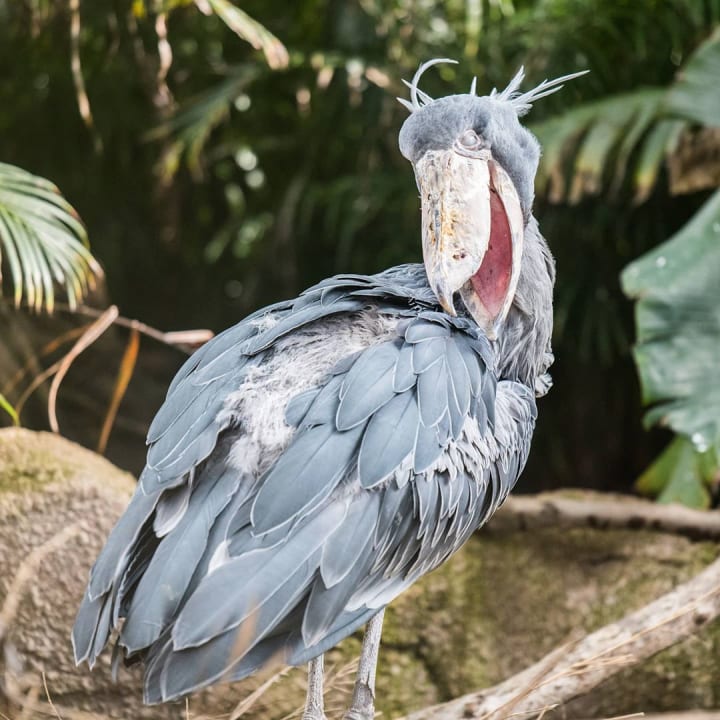
Shoebills are huge birds that live in the swamps and wetlands of Central and East Africa. They are unusual creatures standing four feet tall with a wingspan of about eight feet wide. They have gigantic bills, which are assets for eating fish. Shoebills use their bills to clap away their enemies and to attract female shoebills.
About the Creator
Rasma Raisters
My passions are writing and creating poetry. I write for several sites online and have four themed blogs on Wordpress. Please follow me on Twitter.
Keep reading
More stories from Rasma Raisters and writers in Earth and other communities.
Plans Lodged for Assembly Rooms Replacement
Plans have been officially lodged for the replacement of the iconic Assembly Rooms, marking a major step in the transformation of one of the city’s most cherished cultural and social landmarks. The move aims to preserve the legacy of the site while creating a modern, versatile venue capable of hosting contemporary events, conferences, and community gatherings.
By Aarif Lashari2 days ago in Earth
Things you don't know about Africa
Africa: What You Probably Didn’t Know Article No. 1671 Tuesday, 25 February 2020 By Wardah Baloch In terms of land area, Africa is the second-largest continent in the world. It covers nearly 22 percent of the world’s total landmass and about 6 percent of the Earth’s total surface area. Only Asia is larger than Africa in size.
By Sudais Zakwan7 days ago in Earth



Comments
There are no comments for this story
Be the first to respond and start the conversation.