
Creating an Eco-Friendly Home: Sustainable Living Tips
Let's see the Tips!
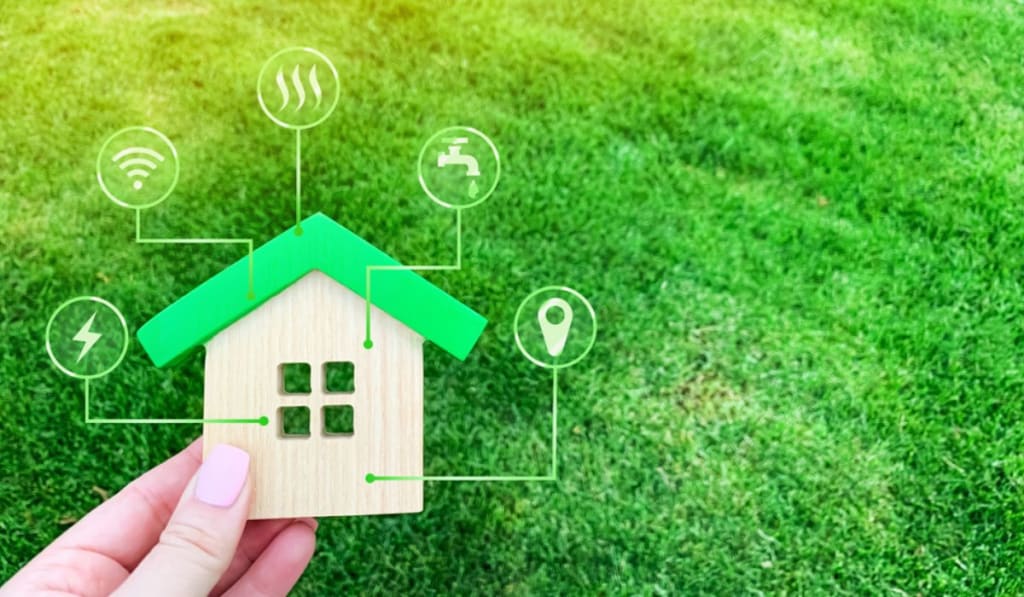
In a world where environmental issues are increasingly prominent, creating an eco-friendly home is an essential step towards sustainable living. By adopting environmentally conscious practices within our households, we can reduce our ecological footprint, conserve resources, and contribute to a healthier planet. In this article, we will explore practical tips and strategies for creating an eco-friendly home that promotes sustainable living.
Embrace Energy Efficiency:
One of the key aspects of an eco-friendly home is energy efficiency. Start by replacing traditional incandescent light bulbs with energy-efficient LED or CFL bulbs. These bulbs consume significantly less energy and last much longer. Additionally, consider installing smart thermostats to regulate heating and cooling systems efficiently. Proper insulation, sealing air leaks, and using energy-efficient appliances can also significantly reduce energy consumption.
Conserve Water:
Water conservation is another vital element of sustainable living. Install low-flow faucets, showerheads, and toilets to reduce water usage. Fix any leaks promptly to prevent unnecessary water waste. Consider collecting rainwater for gardening purposes or investing in efficient irrigation systems that minimize water usage. Additionally, practice mindful water usage habits, such as turning off the tap while brushing your teeth or washing dishes.
Opt for Sustainable Materials:
When renovating or furnishing your home, choose sustainable materials that have minimal impact on the environment. Look for products made from recycled materials, sustainably sourced wood, or eco-friendly alternatives like bamboo or cork. Consider using VOC-free (volatile organic compounds) paint, which reduces indoor air pollution. By selecting eco-friendly materials, you support responsible production practices and reduce your environmental footprint.
Reduce, Reuse, Recycle:
The mantra of "reduce, reuse, recycle" is fundamental to sustainable living. Minimize waste by opting for reusable products like cloth shopping bags, refillable water bottles, and stainless-steel or glass food containers. Donate or repurpose items that are no longer needed instead of throwing them away. Embrace recycling by segregating waste and ensuring proper disposal of recyclable materials. Composting organic waste is also an excellent way to reduce landfill waste and create nutrient-rich soil for your garden.
Invest in Renewable Energy:
Consider installing renewable energy systems to power your home. Solar panels and wind turbines can generate clean energy and significantly reduce reliance on fossil fuels. While the initial investment may seem high, the long-term benefits of lower energy bills and reduced carbon emissions make renewable energy a sustainable and cost-effective choice.
Create a Sustainable Garden:
Transform your outdoor space into a sustainable garden by embracing organic gardening practices. Avoid using chemical pesticides and fertilizers that harm the environment. Instead, opt for natural alternatives like compost, organic fertilizers, and beneficial insects to maintain a healthy and thriving garden. Plant native species that require less water and maintenance. Consider setting up a rainwater harvesting system to water your plants sustainably.
Conserve Energy in the Kitchen:
The kitchen is a significant source of energy consumption. Opt for energy-efficient appliances like refrigerators, dishwashers, and stoves that carry the ENERGY STAR label. Use energy-saving settings and avoid preheating the oven unnecessarily. Cook with lids on pots and pans to retain heat and reduce cooking time. Additionally, embrace sustainable cooking methods like using slow cookers or pressure cookers, which save both time and energy.
Practice Mindful Consumption:
Mindful consumption is crucial for sustainable living. Before making a purchase, evaluate whether the item is necessary and consider its environmental impact. Opt for durable and long-lasting products that reduce the need for frequent replacements. Choose items with minimal packaging or packaging made from recycled materials. Embrace the concept of "less is more" by decluttering your home and embracing a minimalist lifestyle.
Educate and Advocate:
Spread the message of sustainable living by educating others about the importance of eco-friendly practices. Share tips and resources with friends, family, and your community. Support and participate in local environmental initiatives and organizations. By advocating for sustainable living, you contribute to a collective effort in creating a more eco-conscious society.
Conclusion:
Creating an eco-friendly home is a powerful way to promote sustainable living and make a positive impact on the environment. By adopting energy-efficient practices, conserving water, opting for sustainable materials, reducing waste, investing in renewable energy, maintaining a sustainable garden, conserving energy in the kitchen, practicing mindful consumption, and educating others, you contribute to a more sustainable future.
Remember that creating an eco-friendly home is a journey, and every small step counts. Start by implementing one or two changes at a time and gradually incorporate more sustainable practices into your lifestyle. By making conscious choices and inspiring others to join the movement, you become an agent of change, leading the way towards a greener, healthier planet for future generations to enjoy.
About the Creator
Keep reading
More stories from Andrea Turai and writers in Earth and other communities.
Sustainable Living: Easy Steps to Reduce Your Carbon Footprint
With growing concerns about climate change and the need for environmental conservation, sustainable living has become more important than ever. Making small changes in our daily lives can have a significant impact on reducing our carbon footprint and promoting a greener future. In this article, we will explore practical steps you can take to embrace sustainable living and contribute to a more sustainable and environmentally friendly world. By adopting these easy steps, you can make a positive difference and inspire others to join in the journey towards a more sustainable future.
By Andrea Turai3 years ago in Earth
Honey, I Shrunk the Datacentres: Is Small the New Big?
When most people think of datacentres, they picture sprawling warehouses full of servers, humming fans, and mountains of cabling. These massive facilities power everything from Netflix streams to artificial intelligence, but they also consume enormous amounts of energy and space. Now, a new trend is emerging: micro-datacentres. Tiny, modular, and often portable, these “datacentre in a box” solutions are challenging the old assumption that bigger is always better. Could small really be the new big in the world of computing? What Are Micro-Datacentres? Micro-datacentres are compact computing hubs designed to perform the same essential functions as traditional datacentres but in a fraction of the space. Think of them as miniaturized cloud factories — smaller, energy-efficient, and often placed closer to the users they serve. Key characteristics include: Compact size: Often no larger than a shipping container or even a cabinet. Energy efficiency: Use less power by focusing on localized computing needs. Modularity: Can be scaled horizontally by adding more units rather than expanding a single huge facility. Edge computing readiness: Positioned closer to where data is generated, reducing latency for IoT devices, AI applications, and streaming services. In short, micro-datacentres take the power of traditional computing and shrink it to fit modern, flexible infrastructure demands. Why Companies Are Embracing Smaller Datacentres There are several reasons the tech world is warming up to smaller datacentres: Energy and Cost Savings – Traditional datacentres consume massive amounts of electricity, sometimes as much as a small town. Micro-datacentres use less power and generate less heat, reducing both energy bills and cooling costs. Local Speed and Low Latency – For applications like AI, gaming, and streaming, milliseconds matter. By placing computing resources closer to users, micro-datacentres reduce latency and improve performance. Flexibility and Rapid Deployment – Big datacentres take years to build. Micro-datacentres can be deployed in weeks, allowing companies to respond quickly to spikes in demand or to expand into new regions. Resilience and Redundancy – Smaller, distributed units reduce the risk of a single point of failure. If one micro-datacentre goes down, others can pick up the load. Sustainability Goals – With energy efficiency at their core, micro-datacentres are often paired with renewable energy, making them an attractive option for companies seeking greener operations. From Data Warehouses to Data Cabinets Historically, the datacentre arms race has been about size. Companies like Amazon, Google, and Microsoft built massive facilities housing hundreds of thousands of servers. These centers achieved economies of scale but came with high energy use, long construction timelines, and heavy regulatory scrutiny. Micro-datacentres, on the other hand, flip the script: instead of one mega-facility, you deploy many smaller units closer to users. This is sometimes called edge computing, and it’s particularly useful for AI applications, smart cities, and the Internet of Things (IoT). Imagine self-driving cars, smart traffic lights, or factory robots. These devices generate enormous amounts of data that can’t be efficiently sent to a distant datacentre for processing. A nearby micro-datacentre solves the problem in real-time, enabling faster decisions and smoother operations. Real-World Examples Several companies are already experimenting with smaller datacentres: Google’s Edge Nodes: Google has deployed compact datacentres in regional locations to speed up cloud services. Microsoft Azure Stack Edge: A modular datacentre solution that brings cloud computing capabilities closer to businesses. Amazon Web Services (AWS) Snowcone: A portable computing and storage unit that can operate in remote or temporary locations. Even municipalities and hospitals are exploring micro-datacentres for localized applications like traffic management, healthcare data storage, and emergency services. Challenges of Going Small While micro-datacentres have many advantages, they’re not without challenges: Limited capacity: They can’t match the raw scale of traditional datacentres, so some large-scale AI training tasks still require mega-facilities. Security concerns: Smaller units distributed across many locations require robust cybersecurity protocols. Maintenance and monitoring: Managing multiple small units can be more complex than running a centralized datacentre. Energy trade-offs: If not designed efficiently, multiple micro-datacentres can sometimes use more energy than a single optimized large facility. Despite these challenges, many experts argue that the benefits — speed, flexibility, and reduced environmental impact — outweigh the downsides for many applications. Why “Small” Could Be the Future The rise of micro-datacentres signals a broader shift in how we think about computing infrastructure. Instead of centralized, monolithic powerhouses, the future may look like a network of small, smart, and sustainable units. This trend aligns with several larger tech movements: Edge computing – Computing closer to the user or device. Green technology – Reducing energy consumption and carbon footprints. AI proliferation – Handling massive data loads locally to enable faster processing. For companies, governments, and communities, the message is clear: smaller doesn’t mean weaker — it can mean smarter, faster, and more adaptable. Conclusion: Small but Mighty Micro-datacentres may not replace all mega-facilities, but they are carving out an essential niche in the computing ecosystem. They offer speed, flexibility, and sustainability that large datacentres can’t always provide, particularly for localized applications and edge computing. As technology evolves and energy concerns intensify, these “datacentres in a box” could become a core component of how we process, store, and access data in the 21st century. So the next time someone asks if small is the new big, the answer might just be yes — at least when it comes to datacentres.
By Muhammad Hassanabout 21 hours ago in Earth
Tea of Silence
The snow had covered the hills for days, turning the land into a quiet white world where sound seemed afraid to exist. On the highest of these hills, beneath a dry, leafless tree, a young man sat alone. The tree had long ago lost its strength, its branches thin and broken, but it still stood, as if refusing to disappear. The young man chose this place often, not because it was comfortable, but because it was honest.
By Bilal Mohammadi4 days ago in Earth


Comments