
Coral reefs and tourism.
Balancing economic development and environmental conservation.
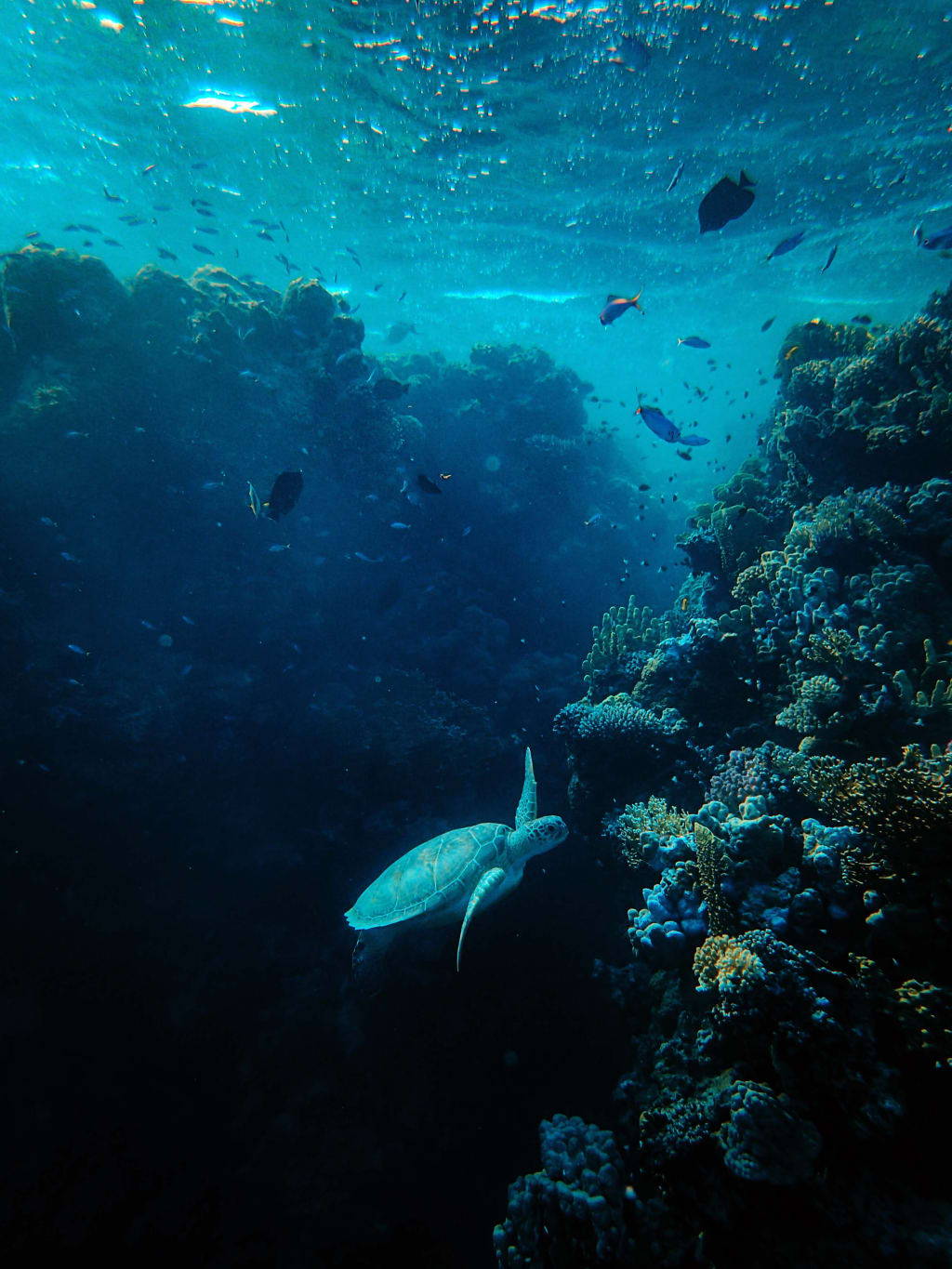
Coral reefs are among the most diverse and productive ecosystems on Earth, supporting over 25% of all marine species. They provide valuable ecological services such as shoreline protection, nutrient cycling, and carbon sequestration. They are also crucial for the livelihoods of millions of people worldwide, as they support important commercial and subsistence fisheries. In addition, coral reefs are major tourist attractions, generating significant economic benefits for many coastal communities. However, the rapid growth of tourism in recent years has placed significant pressure on coral reefs, posing a threat to their long-term survival. Thus, it is essential to balance economic development and environmental conservation to ensure sustainable use of these ecosystems.
Tourism and coral reefs: a double-edged sword
Tourism has been an important source of income for many communities in coastal areas, generating billions of dollars in revenue every year. Coral reefs are a major attraction for tourists, who come to these areas to enjoy activities such as snorkeling, scuba diving, and swimming. However, the rapid growth of tourism has put significant pressure on these ecosystems, leading to a range of negative impacts.
Tourism can directly damage coral reefs through activities such as anchor drops, reef walking, and careless snorkeling or diving. This can result in physical damage to the corals and other reef organisms, which can take years or even decades to recover. In addition, tourists often contribute to pollution in the form of trash, sewage, and chemicals from sunscreen, which can harm the reef ecosystem.
Indirect impacts of tourism on coral reefs include increased demand for seafood, which can lead to overfishing and the depletion of fish stocks. This can have a cascading effect on the entire ecosystem, as fish play a critical role in maintaining the health of coral reefs. Furthermore, the construction of tourism infrastructure such as hotels, roads, and marinas can cause sedimentation, which can smother corals and reduce their ability to photosynthesize.
Balancing economic development and environmental conservation
To ensure the sustainable use of coral reefs for tourism, it is essential to strike a balance between economic development and environmental conservation. This can be achieved through a range of measures, including:
Sustainable tourism practices: Tourism operators and local authorities should adopt sustainable tourism practices that minimize the impact of tourism on coral reefs. This can include guidelines for snorkeling and diving, such as avoiding contact with the reef and not touching or standing on corals. In addition, tourists should be educated about the importance of coral reefs and encouraged to take steps to reduce their impact, such as using biodegradable sunscreen and avoiding littering.
Marine protected areas: The establishment of marine protected areas (MPAs) can help to protect coral reefs from the negative impacts of tourism. MPAs can limit access to sensitive areas and regulate activities such as fishing and diving. They can also provide a source of income for local communities through activities such as ecotourism.
Sustainable fisheries management: Overfishing is a major threat to coral reefs, and sustainable fisheries management is essential to ensure the long-term survival of these ecosystems. This can include measures such as limiting the number and size of fish that can be caught, establishing no-take zones, and promoting alternative livelihoods for fishing communities.
Sustainable development: The construction of tourism infrastructure should be planned and managed in a way that minimizes the impact on coral reefs. This can include measures such as limiting the size and scale of developments, ensuring that they are located away from sensitive areas, and incorporating measures to reduce sedimentation and pollution.
Conclusion
Coral reefs are crucial ecosystems that provide important ecological services and support the livelihoods of millions of people worldwide. Tourism has the potential to generate significant economic benefits for coastal communities, but it can also pose a significant threat to the long-term survival of coral reefs
About the Creator
Keep reading
More stories from Mr Royal Honey and writers in Earth and other communities.
The anatomy of corals and how they grow.
Corals are fascinating and unique creatures that live in marine environments all over the world. They are invertebrates that belong to the phylum Cnidaria, which also includes jellyfish and sea anemones. Corals are colonial animals that grow in large groups, forming vast reefs that are some of the most biodiverse and ecologically important ecosystems on Earth. In this article, we will take a closer look at the anatomy of corals and how they grow.
By Mr Royal Honey 3 years ago in Earth
Dubai Food District Unveiled as DP World Expands Al Aweer Market
In a significant move that will shape the future of Dubai’s food industry, DP World has unveiled its latest project, the Dubai Food District, as part of an expansion of the Al Aweer Market. This new development is set to revolutionize the region’s food trade, offering state-of-the-art facilities designed to streamline the supply chain, foster innovation, and bolster Dubai’s position as a global hub for food trade. With the rise of global demand for fresh, high-quality food products, this ambitious expansion promises to elevate the UAE’s food sector and enhance the efficiency of food distribution across the region.
By Muhammad Hassan7 days ago in Earth
🅼🅸🅳🅽🅸🅶🅷🆃 🆂🅽🅰🅲🅺🆂
"It's 10 in Tuscon! We all know what that means... It's Time for Midnight Snacks with your man, Gerald Gee! Ready to spend the night together? Me too! I'm full of snacks and can't wait to regurgitate them all back into your hungry ears. Crack a brew! Pop some corn! Anything to get ready for one hell of a show where the talk maybe cheap but the words cut deep...
By Lamar Wiggins6 days ago in Fiction


Comments
There are no comments for this story
Be the first to respond and start the conversation.