
Introduction
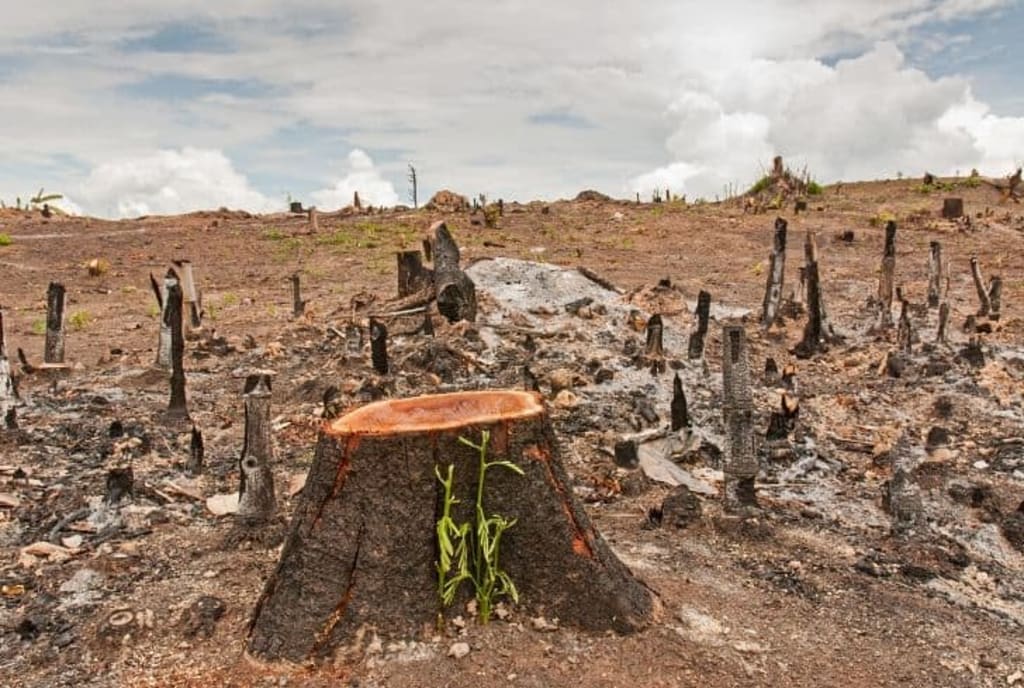
Deforestation, the widespread removal of trees from forests, remains a pressing environmental issue threatening the balance of our planet's ecosystems. The consequences of deforestation are far-reaching, impacting biodiversity, climate patterns, and the livelihoods of local communities. It is imperative for us to understand the causes and effects of deforestation and explore effective strategies to reduce and ultimately halt this destructive practice.
The Causes and Effects of Deforestation
- Agricultural Expansion: The expansion of agriculture, particularly for large-scale commercial farming, is a leading cause of deforestation. As global demand for food and biofuels increases, forests are cleared to make way for croplands and livestock.
- Logging and Wood Extraction: The logging industry, both legal and illegal, contributes significantly to deforestation. Trees are harvested for timber, fuel, and various wood-based products, causing irreparable damage to forest ecosystems.
- Infrastructure Development: The construction of roads, dams, and urban areas leads to widespread deforestation. As human populations grow and urbanization accelerates, pristine forests are often sacrificed to accommodate these developments.
- Climate Change: Deforestation exacerbates climate change by reducing the Earth's capacity to absorb carbon dioxide. Trees act as carbon sinks, absorbing greenhouse gases and mitigating the effects of global warming. Their removal intensifies the greenhouse effect, leading to increased temperatures and unpredictable weather patterns.
- Loss of Biodiversity: Forests are home to a diverse array of plant and animal species. Deforestation disrupts these delicate ecosystems, leading to the extinction of countless species and the disruption of intricate ecological relationships.
Strategies to Reduce Deforestation
- Promote Sustainable Agriculture: Encouraging sustainable farming practices, such as agro-forestry and organic farming, can help mitigate the need for extensive land clearance. These methods integrate trees and crops, enhancing biodiversity and preserving soil fertility.
- Strengthen Forest Governance: Effective governance and law enforcement are crucial in combating deforestation. Governments must implement and enforce legislation that protects forests, while international cooperation can aid in curbing illegal logging and timber trade.
- Support Afforestation and Reforestation Initiatives: Planting trees is a vital step in combating deforestation. Afforestation involves establishing forests in areas where they did not previously exist, while reforestation focuses on replanting trees in areas that have been deforested. These efforts help restore habitats, protect watersheds, and sequester carbon.
- Promote Responsible Consumption: As consumers, we have the power to influence supply chains and demand sustainable products. Supporting companies that prioritize responsible sourcing and reducing the use of products linked to deforestation, such as palm oil and beef, can drive positive change.
- Foster Conservation and Education: Raising awareness about the importance of forests and their ecosystems is essential. Conservation organizations, educational institutions, and governments should collaborate to promote environmental education, empowering individuals to become advocates for forest preservation.
- Encourage Alternative Economic Opportunities: Providing viable economic alternatives to communities dependent on logging or unsustainable land use is crucial. Supporting initiatives such as eco-tourism, sustainable forestry practices, and community-based conservation efforts can help alleviate the pressure on forests.
Politicians play a pivotal role in tackling deforestation by enacting and implementing policies that prioritize environmental conservation. Here are some key actions politicians can take to address deforestation:
- Strengthen Legislation and Law Enforcement: Politicians should develop robust laws and regulations that protect forests and penalize illegal logging and land encroachment. These laws should be effectively enforced through dedicated enforcement agencies, trained personnel, and appropriate penalties for violators.
- Promote Sustainable Land Use Policies: Politicians can introduce policies that promote sustainable land use practices, such as zoning regulations that protect forested areas from agricultural expansion and urbanization. This can include designating protected areas, establishing buffer zones around forests, and encouraging responsible agricultural practices.
- Support Forest Certification and Sustainable Trade: Politicians can endorse and incentivize forest certification systems, such as the Forest Stewardship Council (FSC) and the Roundtable on Sustainable Palm Oil (RSPO). These systems ensure that forest products come from responsibly managed sources. Additionally, politicians can advocate for fair trade agreements that prioritize sustainable practices and discourage the trade of illegally sourced timber and agricultural commodities.
- Invest in Reforestation and Afforestation Programs: Politicians can allocate funding and resources to support reforestation and afforestation initiatives. This includes establishing nurseries to produce tree seedlings, providing financial incentives to landowners for tree planting, and collaborating with local communities and NGOs to implement large-scale restoration projects.
- Foster International Collaboration: Deforestation is a global issue that requires international cooperation. Politicians can engage in diplomatic efforts to encourage other nations to adopt sustainable forest management practices and discourage the importation of products linked to deforestation. Collaboration through agreements, such as the Paris Agreement or regional initiatives, can help coordinate efforts and share best practices.
- Promote Green Economies and Sustainable Investments: Politicians can promote the transition to green economies by incentivizing sustainable businesses and investments. This can include offering tax breaks or subsidies to companies that adopt environmentally friendly practices, supporting renewable energy initiatives, and encouraging the development of eco-tourism.
- Empower Local Communities: Politicians should engage with local communities, indigenous groups, and forest-dependent populations to ensure their participation in decision-making processes related to land use and conservation. Recognizing and respecting their rights, traditional knowledge, and sustainable land management practices can lead to more effective and inclusive policies.
- Educate and Raise Awareness: Politicians have a platform to educate and raise awareness about the importance of forests and the impacts of deforestation. They can leverage their positions to promote environmental education in schools, organize campaigns to inform the public about sustainable practices, and collaborate with media outlets to disseminate information about deforestation and conservation efforts.
In conclusion, politicians have a crucial role to play in tackling deforestation. By implementing strong legislation, promoting sustainable land use policies, supporting reforestation programs, fostering international collaboration, promoting sustainable investments, empowering local communities, and raising awareness, politicians can contribute significantly to the preservation of forests and the mitigation of deforestation. It is through their leadership and commitment that effective and lasting change can be achieved.
About the Creator
Keep reading
More stories from writers in Earth and other communities.
Heatwave Warnings Across Australia as Millions Celebrate National Day
Scorching temperatures challenge celebrations as authorities urge caution As Australia prepares to celebrate its National Day, millions of citizens are facing an unexpected challenge: extreme heat across large parts of the country. Weather authorities have issued heatwave warnings, urging residents to take precautions while enjoying holiday events, including outdoor gatherings, parades, and fireworks displays. The timing is unfortunate, as Australia typically celebrates its national day with widespread outdoor festivities. This year, however, soaring temperatures and record-breaking conditions are forcing people to reconsider how they celebrate safely. Heatwave Conditions Across the Country Meteorologists report that much of southeastern and central Australia is experiencing temperatures well above the seasonal average. Cities such as Sydney, Melbourne, and Canberra are seeing daytime highs reaching 40°C (104°F) or more. The Australian Bureau of Meteorology has classified the conditions as a significant heatwave, noting that: High humidity combined with extreme heat can pose health risks. Urban areas are particularly vulnerable due to the heat island effect, which makes cities hotter than surrounding rural regions. Fire risks are elevated in many regions due to dry vegetation. Authorities are advising the public to stay hydrated, avoid prolonged sun exposure, and check on vulnerable family members, especially the elderly and children. Impact on National Day Celebrations Australia Day is typically marked by community events, barbecues, concerts, and outdoor activities. The heatwave, however, is forcing organizers to make adjustments: Some fireworks shows have been rescheduled or canceled in high-risk areas. Public swimming pools and beaches are seeing higher attendance as people try to cool off safely. Local governments are opening cooling centers for residents who may not have access to air conditioning. Despite these precautions, officials warn that large outdoor gatherings could be dangerous if people do not follow heat safety guidelines. Health Risks of Extreme Heat Heatwaves are not just inconvenient; they can be serious health hazards. Common risks include: Heat exhaustion, which can cause dizziness, nausea, and fainting Heatstroke, a life-threatening condition if not treated promptly Dehydration, which can lead to kidney issues or worsen chronic conditions Medical professionals emphasize the importance of limiting strenuous outdoor activities, wearing light, breathable clothing, and drinking plenty of water. Even short exposure to extreme temperatures can be harmful, especially for vulnerable populations. Environmental and Safety Concerns The heatwave is also raising concerns about wildfires, particularly in rural and bushland areas. Dry conditions combined with strong winds make fires more likely to start and spread quickly. Firefighters are on high alert, and authorities are warning residents to follow fire safety regulations, including restrictions on open flames. Additionally, transportation authorities are monitoring road and rail infrastructure, as extreme heat can cause asphalt to soften and rails to expand, posing potential hazards for commuters. Government Response and Precautions Australian authorities are taking a proactive approach to minimize risks during the heatwave: Emergency services have issued heatwave alerts and are coordinating response plans. Public health campaigns are educating citizens about heat safety and hydration. Local councils are distributing water and cooling options for communities in urban heat islands. Authorities also encourage residents to check on neighbors, particularly the elderly, who may be at higher risk during prolonged heatwaves. The Bigger Picture: Climate Change and Heatwaves Experts say that heatwaves like this are becoming more frequent and intense due to climate change. Rising global temperatures increase the likelihood of extreme heat events, which can disrupt daily life, public health, and critical infrastructure. Australia, with its vast and diverse climate, is particularly vulnerable. Long-term projections suggest that more frequent, longer-lasting heatwaves could become a norm, making public awareness and preparedness even more crucial. Tips for Staying Safe During the Heatwave Officials and health experts recommend several strategies for staying safe: Stay indoors during peak heat hours (usually 11 a.m. to 4 p.m.). Use fans or air conditioning to maintain a cool environment. Drink water regularly; avoid alcohol and caffeinated beverages that can increase dehydration. Wear lightweight, loose-fitting clothing and use sunblock if venturing outdoors. Check on neighbors and family members, especially children and the elderly. By following these measures, Australians can still enjoy National Day celebrations safely despite extreme weather. Conclusion Australia Day is a time for community, celebration, and reflection, but this year’s heatwave reminds citizens of the power of nature and the importance of preparedness. With millions expected to participate in festivities, officials urge the public to balance celebration with safety. While the extreme temperatures may create challenges, Australians have shown resilience in the past. By following guidelines and taking precautions, communities can enjoy the national holiday without compromising health or safety, proving once again that preparation and awareness are key in the face of extreme weather.
By Fiaz Ahmed 6 days ago in Earth
Time to change your life.
Is it even possible for you to change your life? A lot of people, more than there should be, are unhappy with their lives. But what are they doing about it? Usually nothing. People talk about how shitty their lives are and want change, but are they not taking the actions to change?
By Jen Phillipsabout 15 hours ago in Humans




Comments
There are no comments for this story
Be the first to respond and start the conversation.