
Climate Grief and Eco-Anxiety
Explore the psychological and emotional impact of climate change on individuals.

Once upon a time, in a small coastal town nestled between lush green hills and a sparkling blue ocean, lived a young woman named Maya. She had always been deeply connected to nature, finding solace and inspiration in the beauty of the world around her. Maya spent her childhood exploring the forests, swimming in the sea, and excited at the diverse array of creatures that called her town home.
As Maya grew older, however, she started noticing subtle changes in her surroundings. The winters seemed milder, and the summers hotter than ever before. The once abundant forests began to shrink, giving way to urban development. And the delicate balance of marine life in the ocean started to shift, with some species disappearing altogether.
These changes weighed heavily on Maya's heart. She couldn't bear to witness the destruction of the ecosystems she loved so dearly. Her once joyful walks through the forest were now tinged with sadness as she noticed the dwindling number of birds chirping and the silent spaces where vibrant wildflowers used to bloom.
Maya's love for the environment also turned into anxiety, a constant worry about the future of the planet. She found herself consumed by thoughts of rising sea levels, extreme weather events, and the increasing vulnerability of her town to climate-related disasters. The weight of this burden began to affect her daily life, her relationships, and even her own sense of well-being.
One day, Maya decided to channel her emotions into action. She joined a local environmental group comprised of individuals who shared her concerns. Together, they planned tree-planting initiatives, beach clean-ups, and awareness campaigns about the importance of sustainable practices. Maya found solace in this community of like-minded individuals who understood her feelings of grief and anxiety.
As Maya and her fellow activists worked tirelessly, they began to see the impact of their efforts. The forest started to slowly regenerate, and people in the town became more conscious of their environmental footprint. Maya's anxiety transformed into a sense of hope and empowerment, reinforced by the belief that collective action could make a difference.
Over time, Maya figured that her journey was not just about preserving the environment; it was also about healing herself and helping others navigate their own emotional struggles. She started hosting support groups for those experiencing climate grief and eco-anxiety, providing a safe space for people to share their feelings, fears, and hopes for a sustainable future.
Through these support groups, Maya learned that she was not alone in her emotions. People from different walks of life, each with their unique stories, joined her in a collective journey of understanding, acceptance, and resilience. Together, they found strength in their shared experiences and a renewed determination to protect the planet they cherished.
Maya's story is a reminder that acknowledging and addressing the psychological and emotional impact of climate change is an essential part of the broader environmental movement. By fostering compassion, empathy, and community, individuals can find solace and strength in the face of climate grief and anxiety, and ultimately work towards a more sustainable and resilient future for all.
Individual and government responsibility are both crucial when it comes to addressing climate change. Here's a breakdown of their roles:
Individual Responsibility:
Consumption Patterns: Individuals have the power to make conscious choices about their consumption habits. By adopting sustainable practices such as reducing energy and water usage, reducing waste, and opting for environmentally friendly products, individuals can significantly reduce their carbon footprint.
Sustainable Transportation: Choosing low-carbon transportation options like walking, cycling, carpooling, or using public transportation can contribute to reducing greenhouse gas emissions. Additionally, considering electric or hybrid vehicles can have a positive impact on the environment.
Renewable Energy: Individuals can make a difference by transitioning to renewable energy sources for their homes, such as solar or wind power. This reduces reliance on fossil fuels and supports the growth of clean energy industries.
Advocacy and Education: Individuals have the power to raise awareness and advocate for climate action. By engaging in conversations, supporting environmental circles, and educating others about the importance of sustainable practices, individuals can inspire change at the community level.
Government Responsibility:
Policy and Regulation: Governments play a vital role in enacting policies and regulations that promote sustainability. This includes setting emissions reduction targets, implementing renewable energy incentives, and enforcing environmental standards to hold industries accountable for their carbon emissions.
Investments and Funding: Governments can allocate funds to support research and development of clean technologies, renewable energy infrastructure, and sustainable practices. They can also invest in climate adaptation measures to mitigate the impacts of climate change.
International Cooperation: Governments can engage in international agreements and collaborations to address climate change collectively. Agreements like the Paris Agreement provide a framework for countries to work together towards shared climate goals.
Education and Awareness: Governments have the responsibility to promote environmental education and awareness programs at all levels of education. By providing knowledge about climate change, its causes, and potential solutions, governments can empower individuals to make informed choices and take action.
It's important to know that individual actions and government initiatives are interdependent. While individuals can make significant contributions through their choices and behaviors, systemic change on a larger scale requires government leadership, policy changes, and international cooperation. A collective effort from individuals and governments is necessary to effectively tackle the challenges of climate change and create a sustainable future for generations to come.
Regenerate response
About the Creator
Keep reading
More stories from CAROL NYAMBURA and writers in Earth and other communities.
Companion planting
Once upon a time, in the peaceful countryside of Greenbrook, there lived a young gardener named Lily. Lily had a deep passion for gardening and a strong desire to create a beautiful and harmonious garden. However, she struggled with persistent pest problems that hindered the growth of her plants. Determined to find a solution, Lily embarked on a journey to discover the wonders of companion planting.
By CAROL NYAMBURA3 years ago in Earth
Tourists Banned From Entering a Famous Snowfall Spot for Four Days: What Happened and Why It Matters
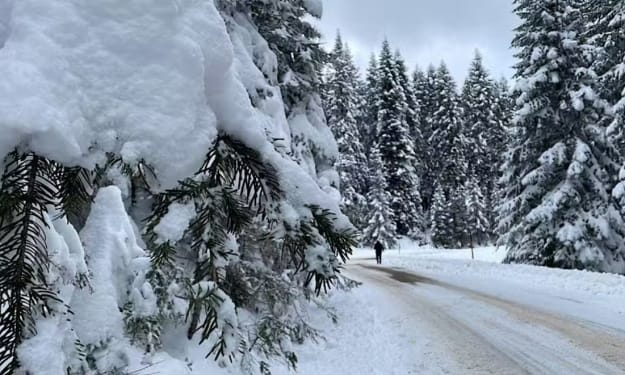
Snowfall destinations attract millions of tourists every year. Fresh snow, white landscapes, and winter activities turn certain locations into seasonal hotspots. But sometimes, nature’s beauty comes with serious risks. Recently, authorities temporarily banned tourists from entering a famous snowfall spot for four days, citing safety, environmental, and logistical concerns. The decision sparked debate among travelers, local businesses, and environmental experts. While many tourists expressed disappointment, officials argued that the ban was necessary to protect lives, infrastructure, and the fragile winter environment. Why Authorities Imposed the Ban The temporary closure was not an impulsive move. Officials announced the restriction after extreme snowfall overwhelmed the area, making roads dangerous and emergency access difficult. Heavy snow accumulation reduced visibility, increased avalanche risks, and caused traffic congestion that emergency services could not manage effectively. In previous years, similar conditions had resulted in stranded vehicles, medical emergencies, and damage to local infrastructure. Authorities learned that allowing unrestricted tourism during extreme snowfall could turn a scenic trip into a disaster. By banning entry for four days, officials aimed to: Clear roads and restore access routes Reduce the risk of accidents and avalanches Allow emergency services to operate efficiently Prevent environmental damage caused by overcrowding Tourist Reactions: Frustration and Understanding Many tourists had planned their trips weeks in advance. Hotels were booked, transportation arranged, and expectations set. For them, the sudden ban felt unfair and inconvenient. Social media quickly filled with complaints, with travelers questioning why better planning hadn’t prevented the closure. However, others supported the decision, acknowledging that safety should always come first. Experienced travelers pointed out that winter tourism carries inherent risks, especially in mountainous or high-altitude regions. As one frequent visitor noted online, “Snow is beautiful, but it doesn’t care about travel plans.” Impact on Local Businesses Local businesses often feel the immediate impact of such bans. Hotels, restaurants, tour operators, and small vendors rely heavily on seasonal tourism. A four-day closure can mean significant financial losses, especially during peak snowfall periods. Some business owners expressed concern about lost revenue, while others supported the ban as a necessary short-term sacrifice. Many acknowledged that accidents or fatalities would cause far greater long-term harm to the region’s reputation. In some cases, local authorities offered partial relief measures, such as rescheduling permits, extending hotel bookings, or waiving certain fees. These steps helped ease tensions between officials and the tourism industry. Environmental Concerns During Peak Snowfall Beyond safety, environmental protection played a major role in the decision. Popular snowfall destinations often experience severe strain during peak tourist seasons. Large crowds can damage snow-covered vegetation, increase waste, and disturb wildlife. When snow accumulates rapidly, ecosystems become even more vulnerable. Trampling through fragile areas, littering, and off-road driving can cause long-lasting damage that takes years to recover. Temporary bans give nature time to stabilize. Snowpack settles, wildlife adjusts, and authorities can manage waste and infrastructure more effectively. In this sense, the restriction serves not only humans but the environment as well. The Growing Challenge of Overtourism This incident highlights a broader global issue: overtourism. As social media makes scenic locations instantly famous, tourist numbers can surge beyond what places are designed to handle. Snowfall spots are especially vulnerable because weather conditions can change rapidly. Without strict controls, overcrowding can lead to: Traffic jams in remote areas Overburdened emergency services Increased pollution Higher accident rates Temporary bans are increasingly being used as a management tool, allowing authorities to balance tourism with safety and sustainability. How Authorities Decide When to Close Tourist Sites Decisions like this are usually based on data, not guesswork. Authorities monitor: Snow depth and weather forecasts Road and infrastructure conditions Emergency response capacity Past incident records When multiple risk factors align, closures become unavoidable. Officials also consult meteorologists, environmental experts, and local administrations before announcing restrictions. Clear communication is essential. In this case, officials used public notices, social media updates, and travel advisories to inform tourists and prevent confusion. What Tourists Can Learn From This For travelers, the incident offers valuable lessons. Winter travel requires flexibility. Weather-related bans are not punishments—they are protective measures. Tourists can reduce disruption by: Checking local advisories before traveling Booking refundable accommodations Avoiding peak congestion periods Respecting local rules and restrictions Understanding the realities of winter destinations can make travel safer and more enjoyable. Will Bans Like This Become More Common? As climate patterns become more unpredictable, temporary closures may become more frequent. Sudden heavy snowfall, extreme cold, or rapid snowmelt can quickly turn tourist-friendly areas into hazardous zones. Authorities worldwide are likely to adopt stricter crowd-control measures, especially in fragile or high-risk environments. While inconvenient, these steps are part of responsible tourism management. Final Thoughts The four-day ban on tourists entering a famous snowfall spot reminds us that nature sets the rules—not travel schedules. While such decisions may disappoint visitors and affect local businesses, they play a crucial role in ensuring safety, protecting ecosystems, and preventing long-term damage. Responsible tourism requires patience, adaptability, and respect for local conditions. Sometimes, the smartest travel decision is waiting until nature is ready to welcome visitors again.
By Muhammad Hassan2 days ago in Earth
Trump’s Posturing Over Greenland Has Changed the Transatlantic Alliance Forever
In recent weeks, U.S. President Donald Trump’s aggressive stance on Greenland has sent shockwaves through Europe, prompting officials to warn that the transatlantic alliance may never return to its previous equilibrium. What began as heated discussions over Arctic strategy and territorial influence quickly escalated into a diplomatic standoff that tested the foundations of NATO, revealing tensions that European leaders say could have long-term consequences.
By Muhammad Hassan5 days ago in Earth



Comments
There are no comments for this story
Be the first to respond and start the conversation.