
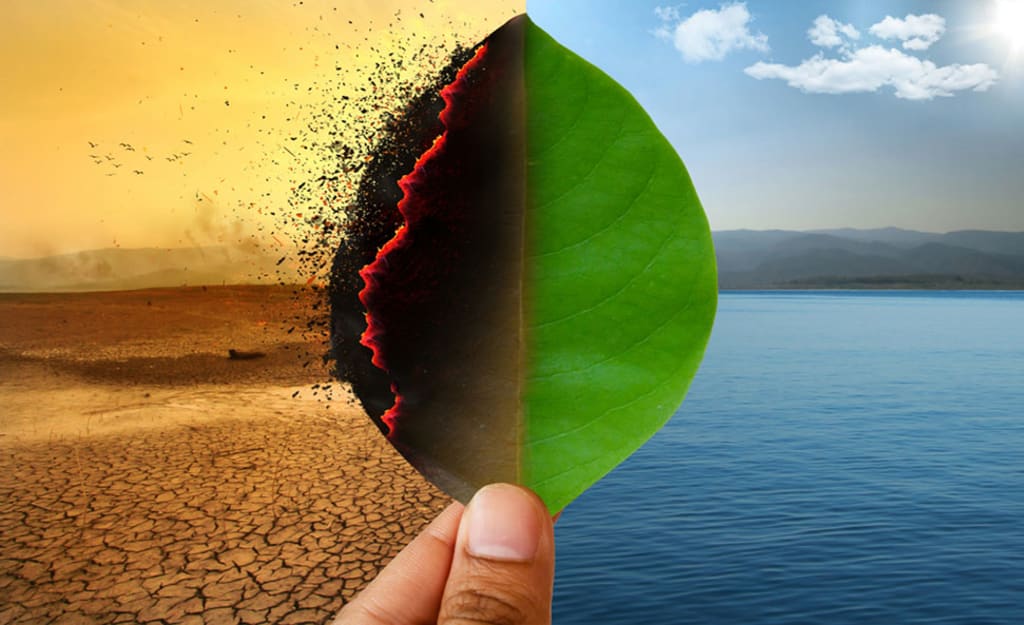
The Earth's climate has been changing since its inception, but the pace and severity of climate change that we are currently experiencing are unprecedented. Human activities, such as burning fossil fuels, deforestation, and agriculture, have caused a significant increase in greenhouse gas emissions, which trap heat in the Earth's atmosphere and cause global warming. This has resulted in a range of earth-changing climate effects, including rising sea levels, more frequent and severe weather events, and the loss of biodiversity.
One of the most significant impacts of climate change is rising sea levels. As the Earth's temperature rises, glaciers and ice sheets in polar regions melt, causing sea levels to rise. This can lead to increased flooding, erosion, and damage to coastal infrastructure. In addition to the physical damage caused by rising sea levels, there are also social and economic impacts, including the displacement of communities and the loss of valuable land and property.
Another effect of climate change is the increase in extreme weather events. Heat waves, droughts, hurricanes, and floods are becoming more frequent and more severe, leading to significant human and economic losses. For example, in 2017, Hurricane Harvey caused over $125 billion in damage and claimed the lives of at least 68 people in Texas alone. The 2019-2020 Australian bushfire season resulted in 34 deaths, destroyed over 18 million hectares of land, and killed an estimated 1 billion animals. These events have far-reaching impacts on people's livelihoods, health, and well-being.
Climate change is also having a significant impact on biodiversity. As temperatures rise and weather patterns change, many species are struggling to adapt. This can lead to changes in the timing of migration, breeding, and flowering, which can disrupt ecosystems and lead to the extinction of some species. For example, coral reefs, which are home to over 25% of all marine species, are under threat from rising sea temperatures, which can cause coral bleaching and death. As species disappear, we lose important ecosystem services such as pollination, soil fertilization, and pest control.
The impacts of climate change are not limited to the natural world. They also have significant social and economic impacts, particularly on the world's most vulnerable populations. For example, climate change can exacerbate poverty, food insecurity, and water scarcity, particularly in developing countries. It can also increase the risk of conflict, displacement, and forced migration, as people are forced to flee their homes due to climate-related disasters.
Despite the severity of the impacts of climate change, there is still hope. Many governments, businesses, and individuals are taking action to reduce greenhouse gas emissions and mitigate the effects of climate change. For example, the Paris Agreement, signed in 2015, committed countries to limit global warming to well below 2°C above pre-industrial levels and pursue efforts to limit it to 1.5°C. Many countries have also introduced policies to encourage the use of renewable energy, reduce emissions from transportation and industry, and increase energy efficiency.
Individuals can also take action to reduce their carbon footprint, such as using public transport, cycling or walking instead of driving, eating a plant-based diet, and reducing energy use at home. Businesses can also play a role by reducing their emissions, investing in renewable energy, and promoting sustainable practices throughout their supply chains.
In conclusion, climate change is one of the most pressing challenges of our time, with far-reaching impacts on the natural world and human society. It is vital that we take action now to reduce greenhouse gas emissions, mitigate the effects of climate change, and adapt to the changes that are already underway. By working together, we can build a more sustainable and resilient world for future generations.
About the Creator
EU Parliament Blocks US Trade Deal After Trump’s Tariff Threat
The European Parliament has moved decisively to block progress on a proposed trade deal with the United States after former U.S. President Donald Trump renewed threats of imposing tariffs on European goods. The decision underscores growing tensions between Washington and Brussels and highlights how trade negotiations can quickly unravel when political pressure and protectionist rhetoric re-enter the spotlight.
By Aarif Lashari4 days ago in Earth
Our European Allies Just Exposed Trump’s Core Weakness—and Also America’s
Recent developments in Europe have cast a spotlight on both Donald Trump’s leadership weaknesses and broader American vulnerabilities in international relations. Allies across the continent have been taking steps that indirectly highlight limitations in U.S. policy, leaving Trump supporters, critics, and global observers questioning whether the United States is adequately positioned to lead on the world stage.
By Muhammad Hassan3 days ago in Earth




Comments
There are no comments for this story
Be the first to respond and start the conversation.