
Climate Change
See how the world is searching for climate change
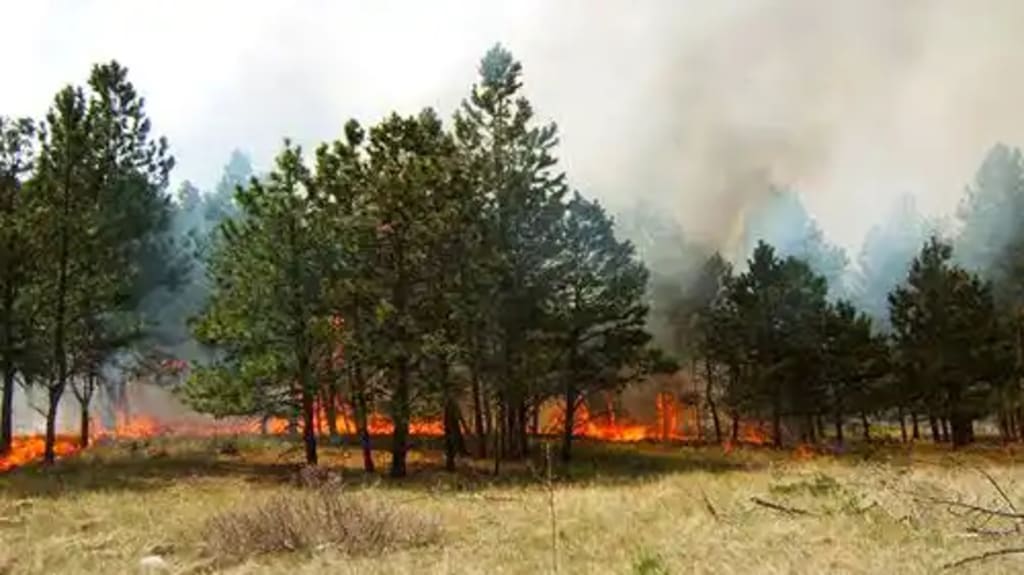
Climate change refers to long-term shifts in global or regional climate patterns, primarily attributed to human activities that alter the composition of the Earth's atmosphere. The primary cause of climate change is the increased concentration of greenhouse gases (GHGs) in the atmosphere, mainly carbon dioxide (CO2) from burning fossil fuels like coal, oil, and natural gas.
The impacts of climate change are wide-ranging and include:
Rising temperatures: Global temperatures have been increasing, leading to heatwaves, melting glaciers, and rising sea levels.
Extreme weather events: Climate change intensifies extreme weather events such as hurricanes, droughts, floods, and wildfires.
Changing precipitation patterns: Some regions experience more frequent or intense rainfall, while others face increased drought conditions.
Ecosystem disruption: Climate change affects ecosystems, leading to habitat loss, species extinction, and disruptions in ecological balance.
Agricultural challenges: Changing climate patterns impact agricultural productivity, leading to crop failures, food shortages, and economic instability.
Health risks: Climate change can exacerbate health problems such as heat-related illnesses, the spread of vector-borne diseases, and air pollution-related respiratory issues.
Addressing climate change requires global cooperation and concerted efforts to reduce greenhouse gas emissions, transition to cleaner energy sources, and adapt to the changes already underway. The Paris Agreement, an international treaty adopted in 2015, aims to limit global warming well below 2 degrees Celsius above pre-industrial levels and to pursue efforts to limit the temperature increase to 1.5 degrees Celsius.
To combat climate change, countries and communities can take several measures, including:
Mitigation: Reducing greenhouse gas emissions through measures such as transitioning to renewable energy, improving energy efficiency, and adopting sustainable land-use practices.
Adaptation: Developing strategies to adapt to the impacts of climate change, such as implementing resilient infrastructure, managing water resources effectively, and enhancing disaster preparedness.
International cooperation: Collaborating on a global scale to share knowledge, technology, and financial resources to support climate action in developing countries.
Conservation and reforestation: Protecting and restoring forests, which act as carbon sinks, absorbing CO2 from the atmosphere.
Sustainable practices: Encouraging sustainable agriculture, transportation, and waste management practices to reduce emissions and promote environmental stewardship.
It's important to stay informed about the latest scientific research, policies, and initiatives related to climate change. Reliable sources such as scientific publications, reputable news outlets, and official reports from international organizations can provide valuable information on this topic.
Solutions to Climate Change
Individual and government solutions to effectively address its challenges. Here are some examples of both types of solutions:
Individual Solutions:
Energy conservation: Individuals can reduce their carbon footprint by conserving energy in their daily lives. This includes actions such as turning off lights and appliances when not in use, using energy-efficient appliances, and insulating homes to reduce heating and cooling needs.
Renewable energy adoption: Individuals can contribute to combating climate change by installing renewable energy systems such as solar panels on their homes or opting for green energy sources offered by utilities.
Sustainable transportation: Individuals can reduce their carbon emissions by using public transportation, carpooling, biking, or walking whenever possible. Electric vehicles (EVs) can also be a sustainable transportation option, as they produce fewer emissions than traditional vehicles.
Waste reduction: Adopting practices such as recycling, composting, and reducing single-use items can significantly reduce the amount of waste sent to landfills, reducing methane emissions and conserving resources.
Advocacy and awareness: Individuals can raise awareness about climate change by engaging in conversations, sharing information, and supporting organizations or campaigns that promote sustainable practices and policies.
Government Solutions:
Policy and regulations: Governments can enact policies and regulations to incentives stainable practices and penalize environmentally harmful activities. This can include setting renewable energy targets, implementing carbon pricing mechanisms, and enforcing emissions standards.
Investment in renewable energy: Governments can invest in research and development of renewable energy technologies and provide financial incentives for businesses and individuals to adopt clean energy solutions. This can accelerate the transition away from fossil fuels.
International cooperation: Governments can work together through international agreements, such as the Paris Agreement, to collectively address climate change. Collaboration on emissions reduction targets, technology sharing, and financial support can be crucial in combating global warming.
Infrastructure development: Governments can prioritize sustainable infrastructure development, including public transportation systems, bike lanes, and charging infrastructure for electric vehicles. This can encourage low-carbon transportation and reduce reliance on fossil fuel-powered vehicles.
Education and public awareness: Governments can play a vital role in educating the public about the impacts of climate change and the importance of sustainable practices. By incorporating climate change education into school curricula and conducting public awareness campaigns, governments can foster a culture of environmental stewardship.
It's important to note that tackling climate change requires a multi-faceted approach involving individuals, governments, businesses, and other stakeholders. Cooperation and collaboration between all sectors of society are crucial for effective climate action.
Send a message.
Free Research Preview. ChatGPT may produce inaccurate information about people, places, or facts. ChatGPT May 24 Version
ChatGPT
About the Creator
Keep reading
More stories from writers in Earth and other communities.
Philippines Carbon Black Market: Industrial Demand, Manufacturing Activity & Environmental Considerations
Philippines Carbon Black Market Overview The Philippines carbon black market is developing steadily as industrial production, automotive demand and manufacturing activity continue to expand. The Philippines carbon black market size reached USD 80.55 Million in 2024. Looking forward, the market is projected to reach USD 109.73 Million by 2033, exhibiting a growth rate (CAGR) of 3.14% during 2025-2033. This growth reflects consistent demand from downstream industries rather than rapid structural change.
By Manisha Dixit6 days ago in Earth
Here’s What the Fed’s Highly Anticipated Rate Decision This Week Means for Bitcoin and the Dollar
Every time the U.S. Federal Reserve meets to decide interest rates, global markets hold their breath. Stocks, bonds, currencies, and increasingly cryptocurrencies react almost instantly to the Fed’s signals. This week’s highly anticipated rate decision is no different, especially for two assets that often move in opposite directions: Bitcoin and the U.S. dollar. At its core, the Fed’s interest rate policy determines how expensive or cheap money is. When rates rise, borrowing becomes costlier and investors often shift toward safer assets. When rates fall, risk appetite increases, benefiting assets like stocks and cryptocurrencies. Understanding this relationship helps explain why Bitcoin traders and currency markets are watching the Fed so closely. A Quick Refresher: What Is the Fed Deciding? The Federal Reserve uses interest rates as a tool to manage inflation and economic growth. By raising rates, it aims to cool inflation by slowing spending. By cutting rates, it encourages borrowing and investment during economic slowdowns. This week’s decision comes at a delicate moment. Inflation has cooled from its peak but remains a concern, while economic growth shows mixed signals. Markets are divided over whether the Fed will: Hold rates steady Signal future rate cuts Maintain a “higher for longer” stance Each of these outcomes carries different implications for Bitcoin and the dollar. What the Decision Means for the U.S. Dollar Interest Rates and Dollar Strength The U.S. dollar tends to strengthen when interest rates rise or are expected to stay high. Higher rates attract global investors seeking better returns on dollar-denominated assets such as U.S. bonds. This increased demand pushes the dollar upward. If the Fed keeps rates high or signals caution about cutting, the dollar is likely to remain strong. A strong dollar often pressures other currencies and commodities, making imports cheaper but exports less competitive. If the Fed Turns Dovish On the other hand, if the Fed hints at future rate cuts, the dollar could weaken. Lower interest rates reduce the appeal of holding dollars, especially compared to higher-yielding currencies or alternative assets. A weaker dollar tends to support risk-on assets, including equities and cryptocurrencies. This is where Bitcoin enters the conversation. What the Decision Means for Bitcoin Bitcoin and Interest Rates: An Inverse Relationship Bitcoin is often described as a “risk asset,” meaning it tends to perform better when financial conditions are loose and liquidity is abundant. When interest rates are low, investors are more willing to take risks, and capital flows into assets like Bitcoin. If the Fed signals rate cuts or a softer policy stance, Bitcoin could benefit. Lower rates reduce the opportunity cost of holding non-yielding assets like Bitcoin, making it more attractive compared to cash or bonds. High Rates Are a Headwind If the Fed remains hawkish, Bitcoin may face short-term pressure. High interest rates strengthen the dollar and make safer investments more appealing. This environment can reduce speculative demand for cryptocurrencies. However, Bitcoin’s reaction isn’t always immediate or predictable. While short-term moves often follow Fed announcements, long-term trends depend on broader adoption, regulation, and market confidence. Bitcoin’s “Digital Gold” Narrative One reason Bitcoin still draws attention during Fed decisions is its evolving role as a potential hedge. Supporters argue that Bitcoin protects against inflation and currency debasement, similar to gold. When investors fear that central banks may eventually return to money-printing or prolonged low rates, Bitcoin’s fixed supply becomes attractive. If the Fed signals concern about economic growth or future easing, this narrative may strengthen Bitcoin’s appeal. That said, Bitcoin has not yet consistently behaved like a traditional safe haven. It remains volatile and sensitive to broader market sentiment. Short-Term Volatility vs. Long-Term Trends Fed decisions often trigger sharp short-term moves in both Bitcoin and the dollar. Traders react to headlines, press conferences, and even subtle wording changes. These immediate reactions, however, don’t always reflect long-term direction. For Bitcoin, long-term performance depends on: Institutional adoption Regulatory clarity Technological development Broader trust in traditional financial systems For the dollar, long-term strength depends on U.S. economic performance, global demand for dollar-denominated assets, and monetary policy consistency. What Investors Are Watching Closely Beyond the rate decision itself, investors will analyze: The Fed chair’s tone during the press conference Updated economic projections Language around inflation and labor markets Even if rates remain unchanged, the Fed’s guidance can move markets significantly. A single phrase suggesting patience or concern can shift expectations—and prices. Final Thoughts This week’s Federal Reserve rate decision highlights the growing connection between traditional finance and digital assets. A strong dollar and high interest rates generally challenge Bitcoin, while easing financial conditions tend to support it. Still, Bitcoin’s story is bigger than one Fed meeting. While short-term volatility is almost guaranteed, long-term trends depend on trust, adoption, and the evolving role of cryptocurrencies in the global economy. For everyday investors, the key takeaway is perspective. Fed decisions matter, but reacting emotionally to every announcement can be costly. Understanding the broader forces at play helps navigate both the crypto market and traditional currencies more confidently.
By Muhammad Hassan2 days ago in Earth
The Path to Salvation
The late autumn evening air filled the monk's lungs, but it wasn't the season that chilled his bones. The heavy-handed presence of evil he had sensed upon entering the woods surrounding this mountain village had not bothered to conceal itself from him.
By Made in DNA6 days ago in Fiction



Comments
There are no comments for this story
Be the first to respond and start the conversation.