
Climate Change
Climate Change: A Plea for Our Shared Future

Introduction:
In the midst of rising temperatures, extreme weather events, and dwindling natural resources, the world stands at a crossroads. Climate change, the defining challenge of our time, has transcended scientific discourse and morphed into an emotional topic that resonates deeply with individuals across the globe. This essay delves into the emotional aspects of climate change, aiming to evoke empathy, urgency, and a collective call to action.
Body:
Loss and Grief:
The devastating consequences of climate change manifest in the form of loss and grief. From the bleaching of coral reefs to the disappearance of entire species, we witness the unraveling of the interconnected web of life. These losses can evoke profound sadness, as we mourn the destruction of natural wonders that have existed for millennia. The emotional impact is not limited to ecosystems alone, as communities face displacement, loss of livelihoods, and cultural erosion. The grief associated with climate change goes beyond the present; it extends to future generations robbed of the beauty and diversity our planet once possessed.
Fear and Anxiety:
Climate change instills a sense of fear and anxiety in many of us. As we witness more frequent and intense heatwaves, hurricanes, and wildfires, we grapple with the uncertain future that lies ahead. The thought of our homes being submerged under rising sea levels or our loved ones suffering from extreme weather events fills us with unease. The fear and anxiety associated with climate change not only affect individuals but also shape our collective psyche, compelling us to question the stability and security of the world we inhabit.
Hope and Resilience:
While the emotional toll of climate change is undeniably profound, there is also room for hope and resilience. The fight against climate change has sparked a wave of activism, unity, and determination. Communities are coming together, demanding change, and developing innovative solutions. The power of hope lies in our ability to reimagine and rebuild a sustainable future. Witnessing the strength and resilience of individuals and communities who refuse to succumb to despair can ignite a flame within us, motivating us to take action and create a better world for ourselves and generations to come.
Conclusion:
Climate change is no longer a distant threat or a matter of scientific debate; it has permeated our collective consciousness, touching our emotions in profound ways. The loss and grief, fear and anxiety, and hope and resilience associated with climate change underline the urgent need for immediate action. We must harness our emotions, transforming them into a catalyst for change. By recognizing our interconnectedness with the natural world and understanding that our actions today shape the future, we can forge a sustainable path forward. Together, let us embrace empathy, channel our emotions, and work towards a future where climate justice prevails and our shared home thrives.
Introduction
Climate change has become synonymous with fear and anxiety as we witness the increasing frequency and intensity of extreme weather events. From heatwaves to hurricanes and wildfires, the profound impacts on our lives and the environment stir a deep sense of unease. This essay delves into the emotional toll of climate change, exploring the fears and anxieties it evokes within individuals and the collective psyche. It highlights the need to address these concerns and seek solutions to build a more stable and secure future.
Body:
Rising Temperatures and Environmental Disasters
The escalating temperatures and the resulting environmental disasters are key contributors to climate change anxiety. Heatwaves are becoming more frequent and prolonged, pushing our physical and mental boundaries. The fear of wildfires, fueled by drier conditions, threatens lives, homes, and ecosystems. Similarly, the intensification of hurricanes and the subsequent devastation they cause generate apprehension about personal safety and security. Witnessing the destruction of our natural landscapes and the suffering of communities affected by these disasters instills a sense of vulnerability and a constant worry about what the future holds.
Sea Level Rise and Coastal Vulnerability
The prospect of rising sea levels is a daunting reality that amplifies climate change anxiety. Coastal regions and low-lying areas face the imminent risk of submersion, jeopardizing countless lives and livelihoods. The thought of our homes, neighborhoods, and cultural heritage being lost to the encroaching waters fills us with unease. This anxiety is particularly acute for vulnerable communities, who often bear the brunt of climate change impacts without adequate resources or support. The uncertainty surrounding the extent and speed of sea level rise exacerbates these fears, as we grapple with the question of how best to protect ourselves and our loved ones from this imminent threat.
Uncertainty and the Fragility of Systems
Climate change anxiety goes beyond the immediate physical dangers and extends to the stability and security of our societal systems. The interconnectedness of various sectors, such as food, water, and energy, highlights the vulnerabilities that climate change exposes. As extreme weather events disrupt supply chains and strain infrastructure, the fear of shortages and the inability to meet basic needs amplifies anxiety. The fragility of our systems becomes evident, prompting questions about the resilience of our cities, economies, and social structures. This uncertainty fuels a sense of helplessness and raises concerns about the ability to adapt and cope with the challenges posed by a changing climate.
Empowerment Through Action
While climate change anxiety is a natural response to the immense challenges we face, it is essential to transform this fear into a catalyst for action. Education, awareness, and engagement can empower individuals and communities to make positive changes and contribute to climate resilience. Taking steps to reduce personal carbon footprints, advocating for sustainable practices, and supporting policies that address climate change can provide a sense of agency and hope. Collaboration between governments, businesses, and civil society is crucial to implementing transformative solutions on a larger scale.
Conclusion
The fear and anxiety associated with climate change are understandable responses to the real and imminent threats we face. However, it is vital to channel these emotions into positive action and collective efforts. By acknowledging and addressing climate change anxiety, we can foster resilience, adaptation, and a sense of shared responsibility. By working together, we can build a more stable and secure future, where the impacts of climate change are minimized, and our communities and ecosystems thrive.
About the Creator
Keep reading
More stories from writers in Earth and other communities.
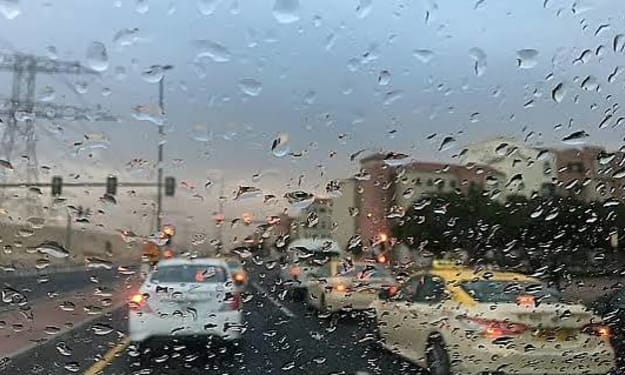
UAE Weather Tomorrow: Rains Likely; Temperatures to Rise
The United Arab Emirates is preparing for a change in its weather conditions as forecasters predict rain and rising temperatures across the country tomorrow. Residents and travelers are advised to stay updated with local weather alerts, as the shift could affect daily activities, traffic, and outdoor events. Meteorologists have noted that this weather pattern is part of a seasonal transition, bringing a mix of showers, mild winds, and warmer daytime temperatures. The change comes after several days of relatively dry and moderate weather across the UAE. Expected Weather Conditions According to the National Centre of Meteorology (NCM), the UAE will experience partly cloudy skies in most areas, with chances of scattered rain showers in some regions. Temperatures are expected to rise slightly, reaching maximums higher than the recent average for this time of year. Specific forecasts for major cities include: Abu Dhabi: Cloudy periods with isolated showers; temperatures between 22°C and 30°C Dubai: Sunny to partly cloudy with chances of light rain; temperatures around 24°C–31°C Sharjah: Light rain expected in some areas; highs of 30°C Northern Emirates (Ras Al Khaimah, Fujairah): Increased cloud cover with scattered showers; temperatures between 20°C and 29°C The NCM has also issued a notice for occasional gusty winds, particularly along coastal areas, which may affect marine activities and beachgoers. Causes of the Weather Change Meteorologists explain that the predicted rains and temperature rise are linked to: Shifting air masses: Cooler air from the north interacting with the warmer Gulf air is causing cloud formation and occasional rain. Seasonal transition: As the UAE moves towards its warmer months, temperatures naturally rise, even as intermittent rain falls in some areas. Regional atmospheric disturbances: Occasional low-pressure systems over the Arabian Peninsula bring moisture from surrounding seas, increasing rain potential. While the rain is expected to be light to moderate, it can temporarily affect visibility and road conditions, especially in areas prone to water accumulation. Impact on Daily Life Residents and visitors are advised to consider the following due to the changing weather: Road Safety: Rain may make roads slippery. Drivers are encouraged to maintain safe speeds and keep a safe distance from other vehicles. Travel Plans: Flight schedules may experience minor delays due to weather-related air traffic adjustments. Outdoor Activities: Those planning outdoor events, picnics, or beach visits should check local forecasts and be prepared for sudden showers. Marine Conditions: Boating and fishing enthusiasts should note choppy seas due to gusty winds, particularly along the UAE coastline. Temperature Trends While rain is expected, temperatures are forecasted to rise slightly across the country. Daytime highs will generally reach 30°C to 31°C in major cities, with cooler early mornings between 20°C and 24°C. Meteorologists emphasize that even with rain, the overall trend points toward warmer daytime conditions, marking a transition into the pre-summer period. Nights may remain slightly cooler, offering relief from the daytime heat. Preparation and Precautionary Measures Weather experts advise the public to take simple precautionary measures: Carry umbrellas or raincoats when moving outdoors. Check local weather apps and official NCM updates regularly. Drive cautiously on wet roads and follow traffic advisories. Secure outdoor items such as furniture, tents, or decorations that could be affected by gusty winds. Stay informed about marine weather updates if engaging in boating or fishing activities. By taking these precautions, residents can safely navigate the changes in weather without significant disruption to daily life. Regional Weather Patterns The UAE’s weather is influenced by its desert climate, but seasonal shifts and occasional regional disturbances often bring short-term rainfall and temperature variations. Northern Emirates: More likely to receive rain due to proximity to the Hajar Mountains, which can trap moist air and cause showers. Central and Southern Emirates: Rain is usually less frequent, but isolated showers can occur, particularly near coastal regions. Coastal Areas: Experience higher humidity and occasional gusty winds, especially when rain systems pass through. Expert Advice Experts from the NCM stress that such weather changes are normal and seasonal. While heavy rains are unlikely, even light showers can temporarily affect commuting, outdoor plans, and local businesses. Meteorologists also advise keeping an eye on short-term forecasts, as local weather can shift rapidly due to regional atmospheric changes. Conclusion Tomorrow, the UAE can expect a mix of rain showers and rising temperatures, signaling a shift in the seasonal weather pattern. Residents are encouraged to stay informed, take necessary precautions, and plan outdoor activities carefully. While the rain may be light and scattered, its presence reminds everyone that even in a predominantly arid country, weather conditions can change quickly, affecting roads, travel, and daily life. With proper awareness and preparation, the UAE’s residents and visitors can navigate these weather changes safely while enjoying the mild rainfall and warmer daytime temperatures.
By Fiaz Ahmed 4 days ago in Earth
Man Shot Dead Was 37-Year-Old US Citizen, Minneapolis Police Chief Says
For many residents of Minneapolis, the news landed like a heavy blow. Authorities confirmed that a man shot dead during a law enforcement operation was a 37-year-old U.S. citizen, a detail that immediately intensified public reaction. What began as a breaking news alert quickly became a broader conversation about policing, federal authority, and community trust.
By Muhammad Hassan2 days ago in Earth



Comments
There are no comments for this story
Be the first to respond and start the conversation.