
Climate change, The Truth
The truth and more about all you need to know about climate change.

Climate change is a pressing global issue with far-reaching consequences. It refers to long-term shifts in weather patterns and average temperatures caused primarily by human activities, particularly the emission of greenhouse gases into the atmosphere.
The primary driver of climate change is the burning of fossil fuels such as coal, oil and natural gas, which releases carbon dioxide (CO2) and other greenhouse gases into the atmosphere.
Deforestation and industrial processes also contribute to these emissions. These greenhouse gases trap heat from the sun, leading to a rise in global temperatures, commonly referred to as global warming.
The impacts of climate change are wide-ranging and profound. Rising temperatures have resulted in more frequent and intense heatwaves, droughts, and wildfires in many regions. Changes in precipitation patterns have led to more intense rainfall and flooding in some areas, while others experience prolonged periods of drought. Sea levels are rising due to the melting of polar ice caps and the expansion of seawater as it warms, posing significant threats to coastal communities and ecosystems.
Climate change also affects ecosystems, biodiversity, and human health. Coral reefs, for example, are highly vulnerable to warmer ocean temperatures, causing widespread bleaching and loss of marine life. Changes in temperature and precipitation disrupt ecosystems, affecting plants, animals, and their habitats.
These shifts can lead to the extinction of species and the disruption of natural food webs. Additionally, climate change can exacerbate the spread of infectious diseases and increase the frequency of extreme weather events, putting human lives at risk.
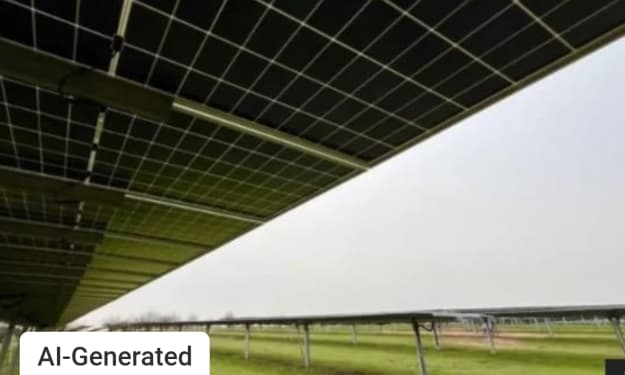
Addressing climate change requires a multi-faceted approach. Mitigation efforts aim to reduce greenhouse gas emissions to limit the extent of future climate change. This involves transitioning to cleaner and renewable energy sources such as wind, solar, and geothermal power. Energy efficiency measures, including improved building insulation and transportation systems, can also help reduce emissions.
Additionally, reforestation and afforestation efforts can absorb C02 from the atmosphere, mitigating the impacts of climate change.
Adaptation is another crucial component of addressing climate change. As the climate continues to change, communities must prepare for and respond to its effects.
This includes implementing measures to protect vulnerable coastal areas, improving water management systems, and developing climate-resilient agricultural practices.
Investing in research and technology is essential for developing innovative solutions to adapt to a changing climate.
International cooperation is paramount in tackling climate change. The Paris Agreement, a global climate accord adopted in 2015, aims to limit global warming to well below 2 degrees Celsius above pre-industrial levels and pursue efforts to limit the temperature increase to 1.5 degrees Celsius. This agreement encourages countries to set voluntary emissions reduction targets and provides a framework for financial and technological support to developing nations.
Individual actions also play a significant role in addressing climate change. Adopting sustainable lifestyles, such as reducing energy consumption, minimizing waste, and choosing environmentally friendly transportation options, can contribute to reducing greenhouse gas emissions.
Education and awareness campaigns are crucial in fostering a collective understanding of the issue and encouraging behavioral changes at all levels of society.
In conclusion, climate change is an urgent and complex challenge that requires global action. It is caused by human activities and has severe impacts on ecosystems and human well-being. Mitigation, adaptation, international cooperation, and individual actions are all vital in addressing climate change and building a sustainable future. By taking decisive action now, we can mitigate the worst effects of climate change and create a more resilient and habitable planet for future generations.
About the Creator
Keep reading
More stories from writers in Earth and other communities.
Rachel Reviews: Lunch Tales: Teagan by Lucille Guarino
Well, I did enjoy this! Sometimes, all you need is just great storytelling and this is what Lucille Guarino delivers here. There's no big message to this book; it's just about folks and families, living their lives and coping with everything that's being thrown at them and finding their way. But when it's done well, like it is here, then you have characters to whom you can relate, tension which leaves you rooting for a better outcome, attraction which has your heart racing and an urge, as a reader, to see the characters happy with the people with whom they belong.
By Rachel Deeming7 days ago in BookClub



Comments