

**Climate Change: Challenges and Consequences**
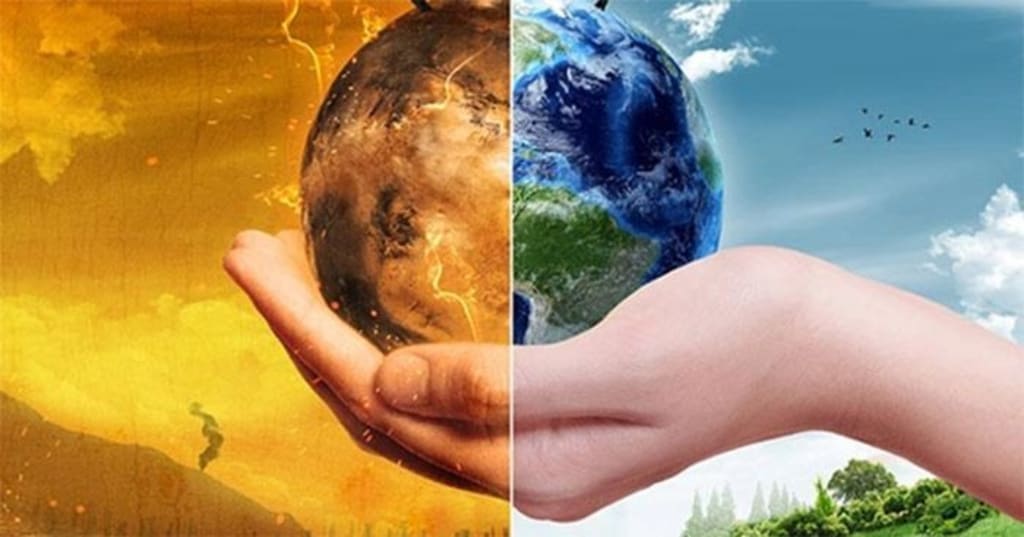
Climate change is one of the greatest challenges humanity faces in the 21st century. This phenomenon affects not only the natural environment but also has far-reaching impacts on global society and economy. This essay explores the causes, consequences, and necessary measures to address climate change.
## Causes of Climate Change
Climate change is primarily caused by human activities, especially the emission of greenhouse gases like CO2, CH4, and N2O. Activities such as burning fossil fuels (coal, oil, and natural gas) for energy production, industry, transportation, and agriculture contribute to the increased concentration of greenhouse gases in the atmosphere. Deforestation, particularly of tropical rainforests, also reduces the Earth's ability to absorb CO2, further enhancing the greenhouse effect.
## Consequences of Climate Change
### Global Temperature Rise
One of the most evident signs of climate change is the rise in global temperatures. Since the late 19th century, the average global temperature has increased by about 1 degree Celsius. This temperature rise leads to extreme weather events such as heatwaves, droughts, and floods.
### Ice Melt and Sea Level Rise
Rising temperatures also cause the melting of ice sheets in Greenland and Antarctica, as well as glaciers worldwide. As a result, sea levels rise, threatening to submerge coastal areas and island nations, displacing millions of people and reducing arable land.
### Ecosystem Changes
Climate change significantly impacts ecosystems and biodiversity. Temperature changes make it difficult for many plant and animal species to adapt, leading to the decline or extinction of numerous species. Coral reefs, for instance, are experiencing widespread bleaching due to rising sea temperatures and ocean acidification.
### Agricultural Impacts
Agricultural production is also severely affected by climate change. Changes in temperature and precipitation can reduce crop yields, increase pest and disease risks, and degrade soil quality. This threatens global food security, particularly in countries reliant on agriculture.
### Human Health Effects
Climate change negatively impacts human health as well. Higher temperatures and increased air pollution can lead to respiratory and cardiovascular diseases. Extreme weather and natural disasters like storms and floods cause deaths, injuries, and disrupt healthcare services and clean water supply.
## Solutions to Address Climate Change
### Reducing Greenhouse Gas Emissions
To combat climate change, reducing greenhouse gas emissions is crucial. This requires countries and businesses to transition to renewable energy sources such as solar, wind, and hydropower. Additionally, improving energy efficiency and developing energy storage technologies are essential.
### Protecting and Restoring Forests
Forests play a vital role in absorbing CO2 and regulating the climate. Therefore, protecting existing forests and restoring deforested areas are necessary measures. Programs for tree planting, sustainable forest management, and policies to prevent deforestation should be vigorously implemented.
### Developing Sustainable Agriculture
In agriculture, adopting sustainable farming practices and reducing greenhouse gas emissions are critical. Practices such as crop rotation, using organic fertilizers, and soil conservation techniques enhance the resilience of agricultural systems to climate change.
### Raising Awareness and Educating the Public
Education and raising awareness about climate change are key to motivating action from individuals to communities and society at large. Environmental education programs, media campaigns, and the involvement of non-governmental organizations can help create a widespread movement to address climate change.
### International Cooperation
Climate change is a global issue that requires close cooperation between nations. International agreements like the Paris Agreement on climate change set targets and commitments for reducing greenhouse gas emissions. Financial and technological support from developed countries to developing nations is also essential to ensure that all countries can effectively combat climate change.
## Conclusion
Climate change is a global challenge that demands cooperation and action from all countries and communities. Understanding the causes and consequences of climate change, along with implementing mitigation and adaptation measures, will help us protect the planet and ensure a sustainable future for future generations. Acting now is not only a responsibility but also an opportunity to build a better world.
About the Creator
Stress-Free Travel: Plan Now to Avoid Holiday Scams and Pitfalls
The holiday season is a time of joy, adventure, and travel, but it can also bring stress, scams, and unexpected pitfalls. Whether you’re planning a tropical getaway, a city break, or a cozy family visit, early preparation and smart planning are essential to ensure your travel is smooth and enjoyable. Here’s a guide to help you navigate common holiday travel challenges and keep your trips stress-free.
By Aarif Lashari5 days ago in Earth
UAE Weather Tomorrow: Rains Likely; Temperatures to Rise
The United Arab Emirates is preparing for a change in its weather conditions as forecasters predict rain and rising temperatures across the country tomorrow. Residents and travelers are advised to stay updated with local weather alerts, as the shift could affect daily activities, traffic, and outdoor events. Meteorologists have noted that this weather pattern is part of a seasonal transition, bringing a mix of showers, mild winds, and warmer daytime temperatures. The change comes after several days of relatively dry and moderate weather across the UAE. Expected Weather Conditions According to the National Centre of Meteorology (NCM), the UAE will experience partly cloudy skies in most areas, with chances of scattered rain showers in some regions. Temperatures are expected to rise slightly, reaching maximums higher than the recent average for this time of year. Specific forecasts for major cities include: Abu Dhabi: Cloudy periods with isolated showers; temperatures between 22°C and 30°C Dubai: Sunny to partly cloudy with chances of light rain; temperatures around 24°C–31°C Sharjah: Light rain expected in some areas; highs of 30°C Northern Emirates (Ras Al Khaimah, Fujairah): Increased cloud cover with scattered showers; temperatures between 20°C and 29°C The NCM has also issued a notice for occasional gusty winds, particularly along coastal areas, which may affect marine activities and beachgoers. Causes of the Weather Change Meteorologists explain that the predicted rains and temperature rise are linked to: Shifting air masses: Cooler air from the north interacting with the warmer Gulf air is causing cloud formation and occasional rain. Seasonal transition: As the UAE moves towards its warmer months, temperatures naturally rise, even as intermittent rain falls in some areas. Regional atmospheric disturbances: Occasional low-pressure systems over the Arabian Peninsula bring moisture from surrounding seas, increasing rain potential. While the rain is expected to be light to moderate, it can temporarily affect visibility and road conditions, especially in areas prone to water accumulation. Impact on Daily Life Residents and visitors are advised to consider the following due to the changing weather: Road Safety: Rain may make roads slippery. Drivers are encouraged to maintain safe speeds and keep a safe distance from other vehicles. Travel Plans: Flight schedules may experience minor delays due to weather-related air traffic adjustments. Outdoor Activities: Those planning outdoor events, picnics, or beach visits should check local forecasts and be prepared for sudden showers. Marine Conditions: Boating and fishing enthusiasts should note choppy seas due to gusty winds, particularly along the UAE coastline. Temperature Trends While rain is expected, temperatures are forecasted to rise slightly across the country. Daytime highs will generally reach 30°C to 31°C in major cities, with cooler early mornings between 20°C and 24°C. Meteorologists emphasize that even with rain, the overall trend points toward warmer daytime conditions, marking a transition into the pre-summer period. Nights may remain slightly cooler, offering relief from the daytime heat. Preparation and Precautionary Measures Weather experts advise the public to take simple precautionary measures: Carry umbrellas or raincoats when moving outdoors. Check local weather apps and official NCM updates regularly. Drive cautiously on wet roads and follow traffic advisories. Secure outdoor items such as furniture, tents, or decorations that could be affected by gusty winds. Stay informed about marine weather updates if engaging in boating or fishing activities. By taking these precautions, residents can safely navigate the changes in weather without significant disruption to daily life. Regional Weather Patterns The UAE’s weather is influenced by its desert climate, but seasonal shifts and occasional regional disturbances often bring short-term rainfall and temperature variations. Northern Emirates: More likely to receive rain due to proximity to the Hajar Mountains, which can trap moist air and cause showers. Central and Southern Emirates: Rain is usually less frequent, but isolated showers can occur, particularly near coastal regions. Coastal Areas: Experience higher humidity and occasional gusty winds, especially when rain systems pass through. Expert Advice Experts from the NCM stress that such weather changes are normal and seasonal. While heavy rains are unlikely, even light showers can temporarily affect commuting, outdoor plans, and local businesses. Meteorologists also advise keeping an eye on short-term forecasts, as local weather can shift rapidly due to regional atmospheric changes. Conclusion Tomorrow, the UAE can expect a mix of rain showers and rising temperatures, signaling a shift in the seasonal weather pattern. Residents are encouraged to stay informed, take necessary precautions, and plan outdoor activities carefully. While the rain may be light and scattered, its presence reminds everyone that even in a predominantly arid country, weather conditions can change quickly, affecting roads, travel, and daily life. With proper awareness and preparation, the UAE’s residents and visitors can navigate these weather changes safely while enjoying the mild rainfall and warmer daytime temperatures.
By Fiaz Ahmed about 15 hours ago in Earth




Comments
There are no comments for this story
Be the first to respond and start the conversation.