

**Rabies: A Deadly Disease to Be Understood**
Rabies is one of the most dangerous infectious diseases that can affect humans and animals, caused by the rabies virus of the Rhabdoviridae family, genus Lyssavirus. This virus attacks the central nervous system and almost always leads to death if not treated promptly. This article will delve into the details of rabies, from its history, transmission mechanism, symptoms, to diagnosis, treatment, and prevention.
### History and Significance of Rabies
Rabies has been documented since ancient times, with descriptions of symptoms similar to rabies appearing in medical texts of ancient Egypt and Greece. However, it wasn't until the 19th century, thanks to the work of Louis Pasteur, that a rabies vaccine was developed, offering a significant breakthrough in controlling and preventing this deadly disease.
### Causes and Transmission Mechanism
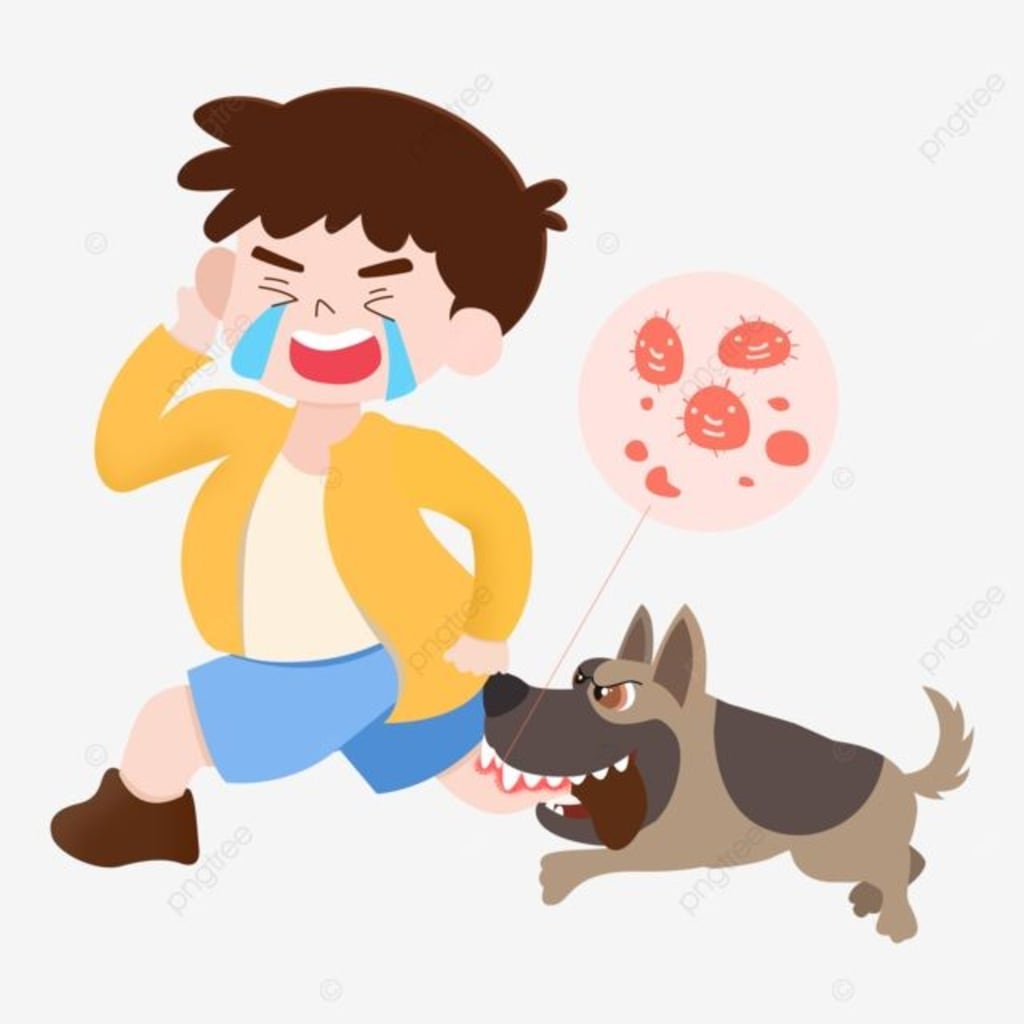
The rabies virus is primarily transmitted through the bite or scratch of an infected animal, typically dogs, cats, bats, and other wild animals such as foxes and raccoons. The virus from the saliva of an infected animal enters the body through broken skin or mucous membranes, then travels along the nerves to the brain. This process can take from a few days to several months, depending on the location of the bite and the distance to the central nervous system.
### Symptoms of Rabies
The symptoms of rabies can be divided into two stages: the incubation stage and the clinical stage.
**Incubation stage:**
The incubation period usually lasts from 1 to 3 months but can vary from a few days to several years. During this stage, the patient typically does not exhibit specific symptoms.
**Clinical stage:**
Once the virus reaches the central nervous system, symptoms begin to appear and progress rapidly, including:
- **Prodromal stage:** Fever, fatigue, headache, anxiety, and discomfort at the site of the bite.
- **Excitement stage:** Delirium, hallucinations, seizures, hydrophobia (fear of water), aerophobia (fear of drafts or fresh air), and increased salivation.
- **Paralytic stage:** Total body paralysis, coma, and ultimately death due to respiratory failure or cardiac arrest.
### Diagnosis of Rabies
Diagnosing rabies in its early stages is challenging due to the nonspecific initial symptoms. As the disease progresses, diagnosis is based on exposure history and clinical symptoms. Confirmatory tests for rabies include:
- **Brain tissue examination:** Conducted post-mortem to look for Negri bodies, a characteristic sign of the rabies virus.
- **Antigen detection tests:** On saliva, serum, cerebrospinal fluid, and skin samples of living patients.
- **Polymerase chain reaction (PCR):** To detect rabies virus RNA in biological samples.
### Treatment of Rabies
Currently, there is no specific treatment for rabies once symptoms have appeared. Treatment primarily focuses on symptomatic relief and supportive care. However, if intervention occurs early after exposure, rabies can be effectively prevented.
**Post-exposure prophylaxis (PEP):**
- **Wound cleansing:** Immediately wash the bite area with soap and water for at least 15 minutes to reduce the risk of infection.
- **Rabies vaccination:** Administer rabies vaccine as soon as possible after exposure to stimulate the immune system against the virus.
- **Rabies immunoglobulin (RIG):** Injected at the wound site and surrounding area to neutralize the virus before it enters the nervous system.
### Prevention of Rabies
Prevention is the best approach to combat rabies. Preventive measures include:
- **Vaccinating pets:** Ensure dogs, cats, and other animals are regularly vaccinated.
- **Wildlife management:** Control populations of wild animals that can transmit rabies, such as bats and foxes.
- **Community education:** Raise awareness about rabies and prevention methods, especially in high-risk areas.
- **Vaccination for high-risk individuals:** Veterinary staff, laboratory workers, and those living or working in rabies-endemic areas should receive pre-exposure vaccination.
### Rabies Worldwide
Rabies remains a significant global health issue, particularly in developing countries. According to the World Health Organization (WHO), approximately 59,000 people die from rabies each year, mainly in Africa and Asia.
### Conclusion
Rabies is a deadly but entirely preventable disease. Understanding the transmission, symptoms, and preventive measures is crucial to protecting oneself and the community from this dangerous disease. Regular vaccination of animals, community education, and timely handling of exposure cases can help control and eventually eliminate rabies in the future.
About the Creator
Why Peet’s Coffee Is Closing Multiple Bay Area Shops After the Keurig Dr Pepper Takeover
Coffee shops are more than places where we grab a morning latte. Especially in the Bay Area, Peet’s Coffee has been part of many people’s daily routines, college memories, and work‑meeting rituals. So when customers learned that several Bay Area locations were closing just months after Peet’s was acquired by Keurig Dr Pepper, the reaction wasn’t just curiosity — it was emotional.
By Muhammad Hassan2 days ago in Earth
Rice Market Size and Forecast 2025: A Global Staple Navigating Growth, Trade, and Transformation
Global Rice Market Outlook: Growth Rooted in Necessity Rice is more than just a crop — it is the backbone of food security for billions. As one of the world’s most consumed cereal grains, rice continues to play a central role in global agriculture, nutrition, and trade. According to Renub Research, the global rice market is projected to reach US$ 378.41 billion by 2033, up from US$ 305.14 billion in 2024, growing at a CAGR of 2.42% from 2025 to 2033.
By Sushant. Renub Research3 days ago in Earth
Affection and Healing for Yourself
During the night of the last quarter moon, I gathered my ritual supplies. I carefully handled the chunk of black tourmaline that would protect me from your overall negative and narcissistic energy. I carefully walked the house with my stick of selenite in hand, asking the universe to cleanse our working space.
By Alisha Wilkins ✒️🦋🖋️4 days ago in Fiction


Comments
There are no comments for this story
Be the first to respond and start the conversation.