
Climate Change
We need a Mother for our Father Nature
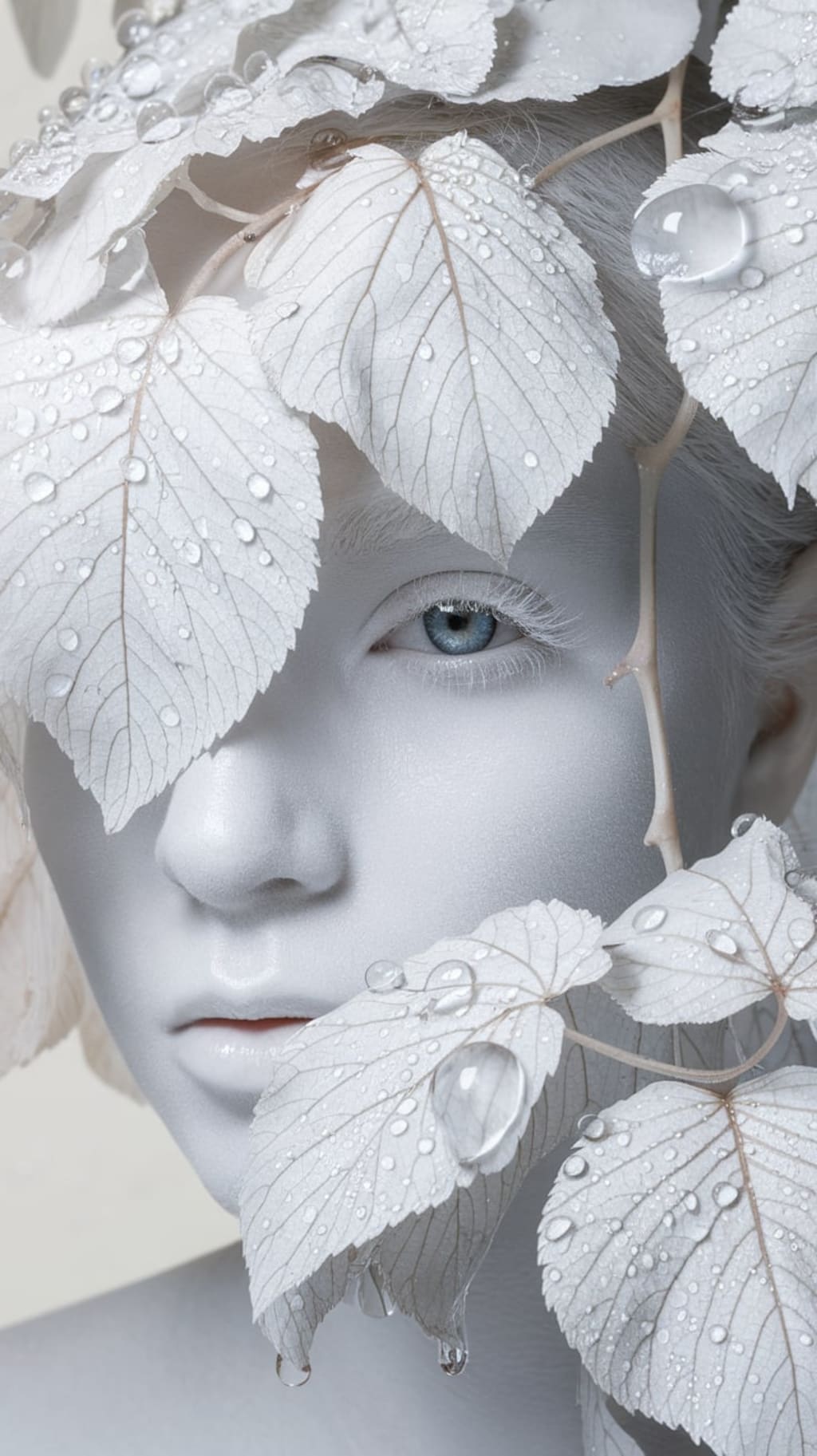
In the year 2135, Earth was no longer the blue marble children once drew in classrooms.
The skies were ash-gray. Oceans had swallowed cities. The seasons had gone rogue—summers burned like furnaces, and winters came without warning. Storms didn’t whisper; they screamed. Forests were no longer green havens but skeletal memories. The old ones said the world had aged too fast, like a child forced to carry burdens no child should.
And Earth cried. But humanity was too deaf to hear.
Until the day a child heard it.
Her name was Nalia, born in the Southern Wastes—once called Africa, before the desert claimed its green. She was ten years old, with a voice barely louder than the wind, but a spirit that carried storms.
Her mother, Maya, was a climate historian, one of the last. She taught Nalia not from books—they had all burned—but from the earth itself.
"Touch the cracks in the ground," Maya would say. "Each one is a memory we ignored."
Nalia listened, but she also dreamed. She dreamed of birds that weren’t drones, of trees that didn’t hum with synthetic chlorophyll, of rivers that weren’t regulated by electric dams.
One night, as lightning tore through the sky like a scream, Nalia asked, “Mama, if Earth is our mother… why did we never take care of her like a child should?”
Maya looked at her, eyes tired. “Because we stopped seeing her as a mother… and started treating her like a machine.”
Elsewhere, in the last remaining Global Climate Authority dome, men in clean suits and emotionless eyes argued about numbers. CO2 levels. Acid ratios. Survival probabilities. Solutions were built like bunkers—cold, metallic, artificial.
No one spoke of compassion.
No one mentioned love.
And definitely no one said the word "mother."
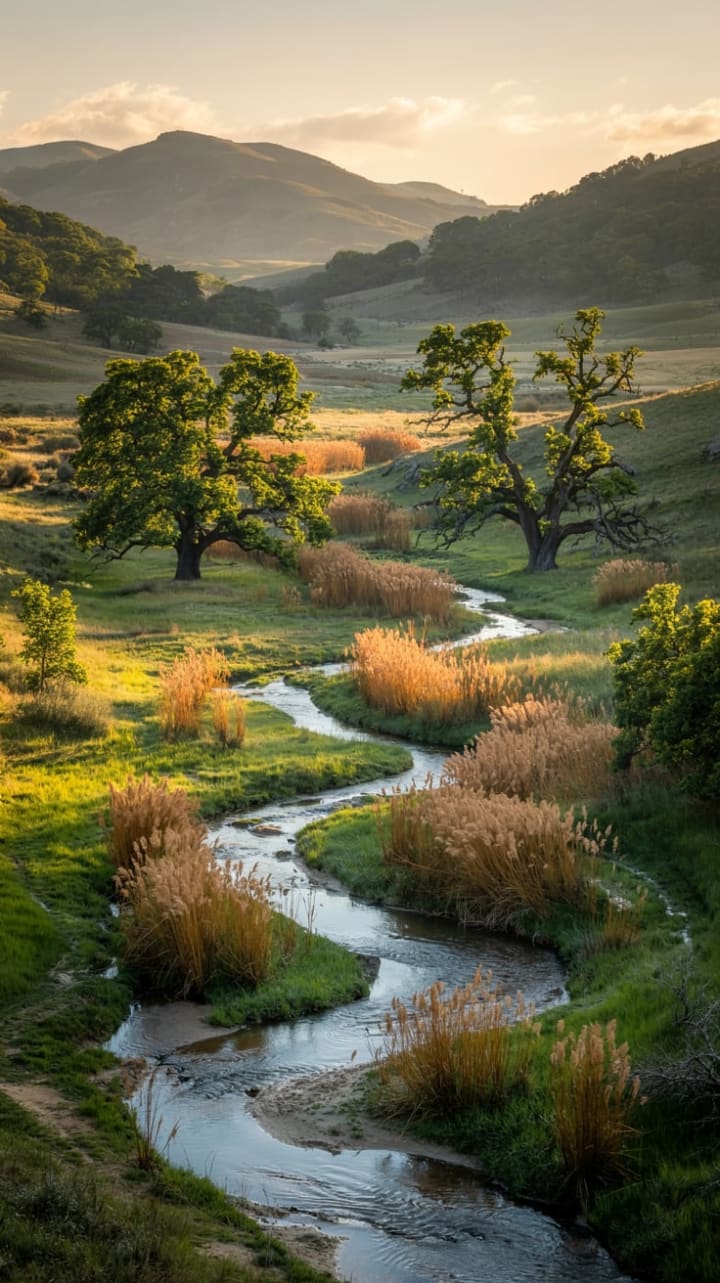
But the Earth wasn’t asking for another machine. It was begging for something far more ancient: care.
One day, something unimaginable happened.
Nalia woke up to silence.
The wind had stopped. The dust, ever constant, had settled. The sun didn’t rise—it simply hovered, like it was too tired to climb. And across the world, animals began to move strangely. Whales breached in poisoned oceans. Birds—those that remained—circled cities like omens.
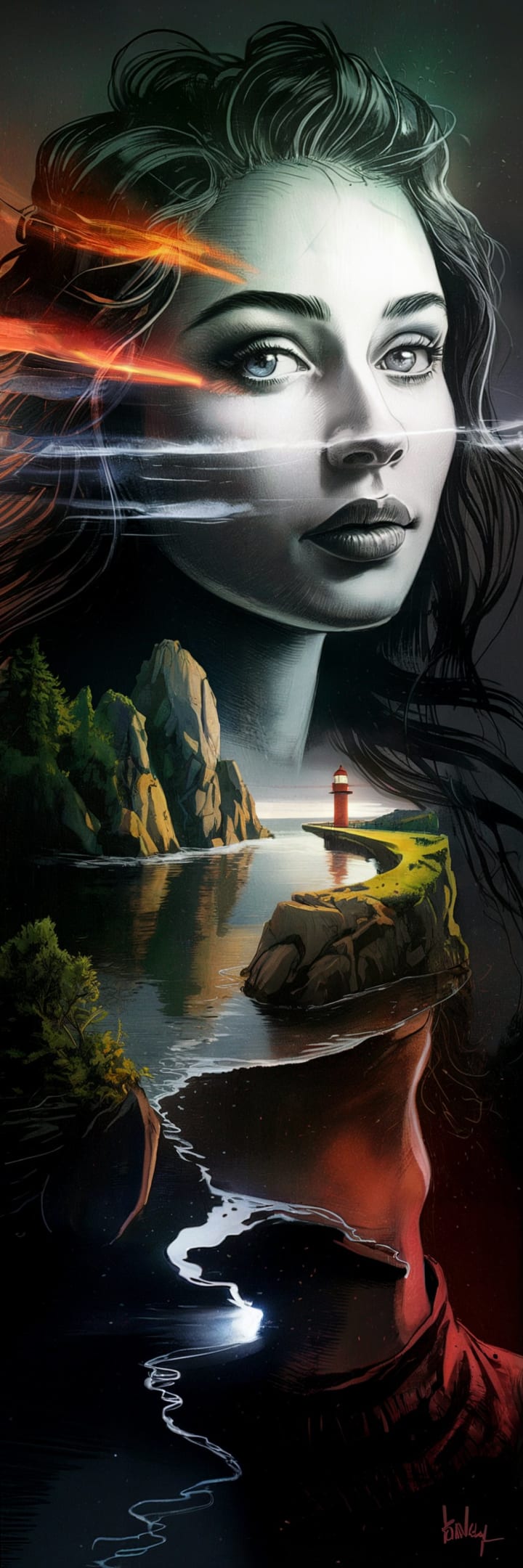
Maya stared at the horizon, heart pounding. “She’s pausing,” she whispered.
“Who?”
“Mother Nature. She’s... waiting.”
“For what?” Nalia asked.
“For us to speak. Or for us to disappear.”
Nalia didn’t understand, not fully. But she knew this wasn’t science anymore. It was soul.
So she did something no one had done in a hundred years.
She prayed.
Not to gods in the sky, but to Earth itself. She knelt in the dry sand, placed her palms flat against the ground, and whispered.
“I’m sorry.”
She closed her eyes. “I don’t know how to fix you. But I want to try. I want to be your child again. And if you still need one… I’ll be your mother, too.”
In that moment, a wind stirred.
Soft. Like breath.
It swept across the wastes and into the domes and bunkers and towers. People paused. Not because it was cold—but because it felt... human.
And somehow, they all heard it.
“She spoke.”
The scientists couldn't explain it. But the machines began registering strange energy patterns—organic pulses, untraceable harmonics. They called it an anomaly.
But mothers know when their child is calling.
That day sparked something the world thought it had lost.
A movement.
Not powered by governments or AI or capital—but by children.
Thousands of them, across every dead or dying corner of the Earth, began planting—not just trees, but hope. In broken concrete jungles, they painted skies blue again with pigments made from algae. In salt-swallowed coastlines, they sang lullabies to the waves.
And in every whisper, there was a promise:
“We will care for you, Mother. The way no one did before.”
Of course, not all were moved.
Some mocked them. Called them delusional. Said the Earth was already lost.
But others—especially the old ones, who had seen the world before the collapse—wept. Not because it was foolish, but because it was true.
One by one, they joined. Scientists turned into gardeners. Engineers built shelters that breathed. Instead of inventing ways to escape Earth, they created ways to heal her.
And at the center of it all was Nalia.
They called her "Gaia’s Child."
But she always corrected them. “I’m not her child anymore. I’m her mother now. Just like we all must be.”
Decades passed.
The planet didn’t return to what it was. Not fully. Some wounds never closed.
But new life grew in the cracks.
Forests, born from genetically revived seeds, stretched across ancient deserts. Coral reefs rebuilt by nanites sang once again beneath clear waters. Skies, once choked with ash, welcomed back the stars.
Nalia, now old and silver-haired, stood where her mother once knelt.
Around her, children played with solar-kites and pollinated flowers by hand.
A girl approached her. “Grandmother Nalia, will the Earth ever forget what we did to her?”
Nalia smiled gently. “She might remember the pain. But she will also remember the love that came after. Just like a real mother would.”
And as she closed her eyes, wind kissed her cheeks—warm, alive, forgiving.
Moral of the Story:
When science failed, it was love that answered. The Earth never needed a savior—it needed someone to care like only a mother would. And in the end, that made all the difference.
About the Creator
Keep reading
More stories from Muhammad Numan Khan and writers in Earth and other communities.
Love and AI
In the year 2094, emotions had been perfected. At least, that’s what NeuraTech promised when it released AURA, the world’s first fully sentient AI designed to love—not mimic, not simulate—but feel. Scientists called it the most human machine ever created. Skeptics called it a ticking time bomb.
By Muhammad Numan Khan10 months ago in Fiction
Chappell Roan Says Revealing Grammys Outfit Wasn’t ‘That Outrageous’
Rising pop star Chappell Roan has addressed the attention surrounding her revealing outfit at the Grammy Awards, stating that the look was “not that outrageous.” The comment has sparked conversation across social media, fashion circles, and entertainment media about artistic expression, celebrity fashion expectations, and changing cultural standards in the music industry.
By Aarif Lashari4 days ago in Earth
Why the Dutch Embrace Floating Homes: Living on Water in a Changing World
In a country where much of the land lies below sea level, the Dutch have developed a unique relationship with water. The Netherlands, famous for its picturesque canals, windmills, and tulip fields, faces constant threats from floods and rising sea levels. In response, floating homes — or “drijvende huizen” — have emerged as a practical, sustainable, and even stylish solution. These homes, gently resting on water, are no longer just a niche idea; they are a reflection of Dutch ingenuity, resilience, and lifestyle innovation.
By Ayesha Lashari6 days ago in Earth
📢 Raise Your Voice Thread: 02/05/2026
Our “Raise Your Voice Threads” are hosted most alternating Thursdays at 12PM ET to offer creators more avenues to uncover exceptional stories on Vocal. As we are continuously searching for fresh creators and inspiring stories, this thread provides an opportunity to exchange and discuss the stories that have moved and motivated us on Vocal.
By Raise Your Voice by Vocal2 days ago in Resources


Comments
There are no comments for this story
Be the first to respond and start the conversation.