
Climate Change and the Future: How We Can Build a Better World?
1.Introduction 2.Understanding the Science of Climate Change 3.The Role of Government and Business in Tackling Climate Change 4.Individual Action and Collective Impact: How We Can Make a Difference 5.Adapting to a Changing Climate: Preparing for the Future 6.Building a Sustainable Future: Innovations in Clean Energy and Technology 7.Conclusion
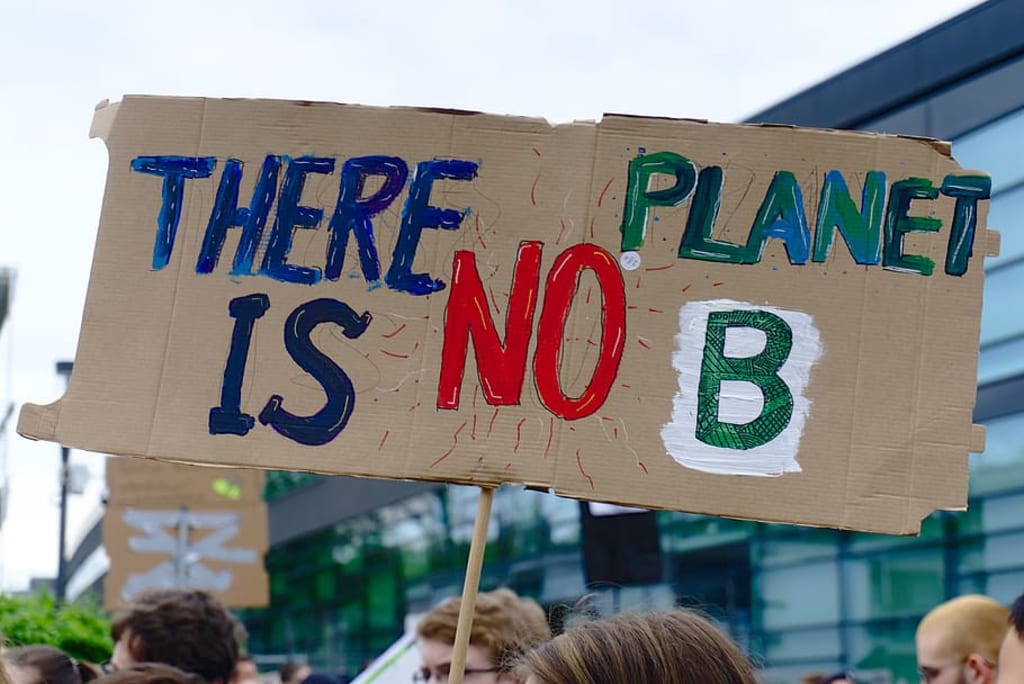
Introduction: Climate change is one of the most pressing issues facing our world today, with rising temperatures, sea levels, and extreme weather events affecting communities and ecosystems around the globe. But despite the enormity of the problem, there is still hope for a better future. In this article, we will explore the science of climate change, the role of government and business in tackling the crisis, and the ways in which individuals can make a difference. We will also look at some of the innovative solutions and technologies that are being developed to help us build a more sustainable future. With a better understanding of the challenges we face and the actions we can take, we can work together to build a better world for ourselves and future generations.
"Climate change is not just about the future. It's happening right now, and the people who are hurt first and worst are the world's poor and vulnerable." - Ban Ki-moon, 8th Secretary-General of the United Nations
Topics we are going to cover -
- Understanding the Science of Climate Change
- The Role of Government and Business in Tackling Climate Change
- Individual Action and Collective Impact: How We Can Make a Difference
- Adapting to a Changing Climate: Preparing for the Future
- Building a Sustainable Future: Innovations in Clean Energy and Technology
Understanding the Science of Climate Change:
Understanding the science of climate change is essential to understanding the problem and taking meaningful action to address it. Climate change is caused by the release of greenhouse gases, primarily carbon dioxide, into the atmosphere. These gases trap heat from the sun, causing the Earth's temperature to rise.
The primary source of carbon dioxide emissions is the burning of fossil fuels, such as coal, oil, and natural gas. Deforestation, agriculture, and other human activities also contribute to greenhouse gas emissions.
The effects of climate change are already being felt around the world, including rising temperatures, sea levels, and extreme weather events. These changes can lead to devastating consequences such as droughts, floods, and heatwaves, which can damage crops and disrupt food supplies, as well as cause health problems and displacement of people.
The Intergovernmental Panel on Climate Change (IPCC), a group of scientists established by the United Nations, provides regular assessments of the state of the science of climate change. Their findings are widely accepted by the scientific community and inform international policy decisions.
It's also important to note that Climate change is a global issue that requires a global response, and the actions of one country or group of people will not be sufficient to address the problem alone. Therefore, it's crucial to work together and take collective actions to mitigate and adapt to the impacts of climate change.
"Climate change is real, it is happening right now. It is the most urgent threat facing our entire species, and we need to work collectively together and stop procrastinating." -Leonardo DiCaprio
The Role of Government and Business in Tackling Climate Change:
The role of government and business in tackling climate change is crucial to addressing the problem and creating a sustainable future. Governments have the power to enact laws and policies that regulate emissions, invest in clean energy, and promote sustainable practices.
One of the most important actions that governments can take is to set ambitious emissions reduction targets. The Paris Agreement, an international treaty signed by nearly 200 countries, aims to keep global warming below 2 degrees Celsius above pre-industrial levels. The countries also committed to pursue efforts to limit warming to 1.5 degrees, recognizing the importance of limiting the impacts of climate change on vulnerable communities and ecosystems.
Governments also play a critical role in funding research and development of new clean energy technologies and supporting their deployment. Incentives such as tax credits, grants, and subsidies can help to make clean energy more affordable and accessible.
On the other hand, the private sector, including businesses and corporations, are also critical in the fight against climate change. Companies can reduce their carbon footprint by implementing more efficient production processes, investing in renewable energy, and promoting sustainable practices. Many companies are also setting their own emissions reduction targets and working to achieve them through the use of clean energy and efficiency measures.
Additionally, businesses can also advocate for government policies that support the transition to a low-carbon economy, and some companies are also engaging in initiatives to offset their emissions through carbon offset projects.
In summary, both government and business have a vital role to play in tackling climate change. Governments must provide the framework and incentives for businesses to operate sustainably, while businesses must take responsibility for reducing their emissions and promoting sustainable practices. Together, they can work towards a more sustainable future for all.
"We do not inherit the Earth from our ancestors; we borrow it from our children."
Individual Action and Collective Impact: How We Can Make a Difference:
Individual actions can have a significant impact on reducing greenhouse gas emissions and slowing down climate change. From the way we consume energy, travel and what we eat, to the products we buy and the waste we produce, there are many ways in which we can make a difference.
Here are a few ways that individuals can make a difference:
- Reduce energy consumption: Simple actions such as turning off lights and appliances when not in use, using energy-efficient appliances and lighting can help to reduce energy consumption.
- Use public transportation, carpool, bike or walk: Transportation is a major contributor to greenhouse gas emissions, by using sustainable transportation options, we can reduce emissions and save money.
- Support clean energy: Investing in renewable energy options, such as solar or wind power, can help to reduce emissions and create jobs in the clean energy sector.
- Eat sustainably: Eating a plant-based diet or reducing meat consumption can help to reduce emissions from the agriculture sector.
- Shop smart: Supporting companies that have sustainable practices and products can help to drive demand for more environmentally-friendly options.
- Waste less: Reducing, reusing, and recycling can help to reduce the amount of waste that ends up in landfills, which are significant sources of methane emissions.
Collective impact comes when individual actions are amplified by many people working together towards a common goal. Communities, organizations, and governments can work together to create policies and programs that support sustainable practices and reduce emissions.
"We are the ones we've been waiting for." -Barack Obama
Adapting to a Changing Climate: Preparing for the Future:
Adapting to a changing climate is crucial in order to minimize the negative impacts of climate change and ensure a sustainable future. Climate change can bring a wide range of challenges such as sea level rise, changes in precipitation patterns, and more frequent extreme weather events.
Here are a few ways that we can adapt to a changing climate:
- Building resilience: Communities, organizations and businesses can plan and prepare for the impacts of climate change by building resilience. This can include protecting infrastructure, strengthening buildings and homes, and planning for emergency management.
- Water management: Effective water management, including conservation and efficient irrigation, is critical in regions where water availability is likely to be affected by climate change.
- Natural solutions: Using natural solutions such as wetlands, dunes, and forests can help to protect against sea level rise and storm surges.
- Agriculture: Changes in temperature and precipitation patterns can have a significant impact on agriculture. Adaptation measures such as crop diversification and water management can help to minimize these impacts.
- Health: Climate change can also have a significant impact on human health, particularly on vulnerable populations. Adaptation measures such as improved air quality, better access to clean water, and improved sanitation can help to minimize these impacts.
- Community engagement: Engaging communities in the planning and implementation of adaptation strategies can help to ensure that they are effective, equitable and sustainable.
It's important to note that adaptation alone is not enough to address the problem of climate change.
"The future is something which everyone reaches at the rate of sixty minutes an hour, whatever he does, whoever he is." -C.S. Lewis
Building a Sustainable Future: Innovations in Clean Energy and Technology:
Building a sustainable future is crucial in order to address the challenges of climate change and ensure a livable planet for future generations. One of the key ways to achieve this is through the development and deployment of clean energy and technology.
Here are a few examples of innovations in clean energy and technology that are helping to create a sustainable future:
- Renewable energy: Wind and solar power are becoming increasingly cost-competitive with fossil fuels, making them a viable option for large-scale electricity generation.
- Electric vehicles: Electric vehicles are becoming more affordable and more prevalent, reducing emissions from transportation.
- Energy storage: Advances in battery technology are making it possible to store renewable energy for use when it is needed, reducing the need for fossil fuel-powered peaker plants.
- Carbon capture and storage: Carbon capture and storage technology can help to reduce emissions from power plants and industrial facilities.
- Green buildings: Innovations in building design and materials are making it possible to construct buildings that use less energy and generate less waste.
- Smart grid: Smart grid technology can help to optimize the distribution of electricity and reduce the need for new power plants.
- Green chemistry: Green chemistry is an approach to the design of chemical products and processes that reduces or eliminates the use or generation of hazardous substances.
- Circular economy: Circular economy is an alternative to the traditional linear economy (make, use, dispose) in which we keep resources in use for as long as possible, extract the maximum value from them whilst in use, then recover and regenerate products and materials at the end of each service life.
It's important to note that innovation and technology alone is not enough to address the problem of climate change. We must also work to change our consumption patterns and behaviors in order to create a truly sustainable future.
"The good news is that we have the means to solve this crisis. The solutions are in our hands. The technologies we need are here today. We can build a clean energy future." - Al Gore
Conclusion:In conclusion, climate change is one of the most pressing issues of our time, and it is essential that we take action to address it. The future of our planet is in our hands and we have the power to create a better world for future generations. This can be achieved by working together to reduce our carbon emissions, investing in clean energy and technology, and adapting to the changing climate.
It's important to remember that climate change is not just an environmental issue, but it is also a social, economic and political issue. To tackle it, we need to take a multi-disciplinary approach, involving government, business, civil society and individuals.
We should each take our own responsibilities and take action for a sustainable future. It is important to remember that small steps, when taken collectively, can have a big impact. We should be mindful of our consumption patterns, energy use, and the products we buy.
We should also support political leaders and organizations that are working to address climate change and support policies and regulations that will help to reduce emissions and create a sustainable future. Together, we can build a better world.
"The greatest threat to our planet is the belief that someone else will save it." - Robert Swan
About the Creator
Keep reading
More stories from chandra kumar and writers in Earth and other communities.
The future of digital marketing: How TikTok is changing the game
Lets start with a small intro, The digital landscape is constantly evolving, and the emergence of new platforms and technologies has had a significant impact on the way businesses market their products and services. TikTok, the short-form video app, has quickly gained popularity among users and brands alike, and is now considered a major player in the digital marketing space.
By chandra kumar3 years ago in 01
Europe Amniotic Membrane Market Size & Forecast 2025–2033
Europe Amniotic Membrane Market Outlook The Europe Amniotic Membrane Market is undergoing a significant transformation as regenerative medicine gains momentum across clinical disciplines. According to Renub Research, the market is projected to grow from US$ 788.42 million in 2024 to US$ 1,892.79 million by 2033, expanding at a CAGR of 10.22% during 2025–2033.
By jaiklin Fanandisha day ago in Earth


Comments
There are no comments for this story
Be the first to respond and start the conversation.