
Climate change and the causes
causes of climate changes
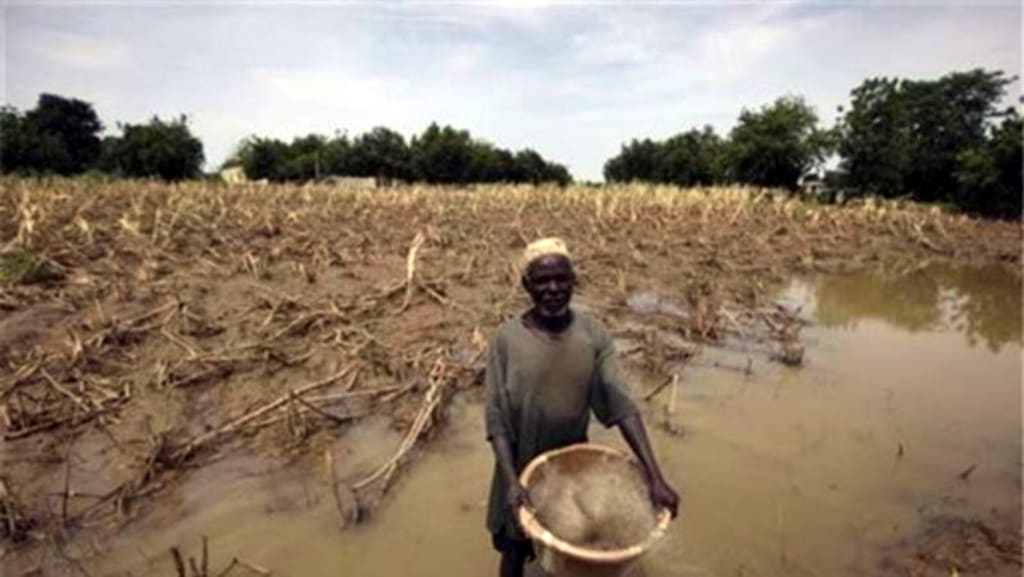
Climate change is primarily caused by human activities that release greenhouse gases into the atmosphere. The main factors contributing to climate change include:
Burning Fossil Fuels: The burning of fossil fuels such as coal, oil, and natural gas for energy and transportation is a major source of carbon dioxide (CO2) emissions. These emissions trap heat in the atmosphere, leading to the greenhouse effect and increased global temperatures.
Deforestation: The clearing of forests, particularly in tropical regions, releases large amounts of carbon dioxide into the atmosphere. Trees absorb CO2 and act as carbon sinks, so their removal contributes to increased greenhouse gas concentrations.
Industrial Processes: Various industrial activities, such as cement production and chemical manufacturing, release greenhouse gases like CO2, methane (CH4), and nitrous oxide (N2O) as byproducts.
Agriculture: Agricultural practices, including livestock farming, rice cultivation, and the use of synthetic fertilizers, produce significant amounts of methane and nitrous oxide. Methane is emitted by ruminant animals (such as cows) and during the decomposition of organic waste in landfills.
Land Use Changes: Conversion of forests into agricultural land, urbanization, and other land use changes disrupt natural ecosystems, release stored carbon, and reduce the Earth's capacity to absorb greenhouse gases.
Industrial and Domestic Waste: Improper management of waste, including landfills and the decomposition of organic waste, releases methane into the atmosphere.
Increased Energy Consumption: Rising energy demands and population growth lead to increased energy consumption, primarily from fossil fuels, contributing to higher greenhouse gas emissions.
It's important to note that natural factors such as volcanic eruptions and variations in solar radiation also influence the climate. However, human activities are the dominant drivers of the rapid and unprecedented changes observed in recent decades.
Reducing greenhouse gas emissions, transitioning to clean and renewable energy sources, conserving forests and ecosystems, promoting sustainable agriculture, and adopting energy-efficient practices are key to mitigating climate change and its impacts on the planet.
Climate change has a wide range of effects on the Earth's ecosystems, communities, and natural processes. Some of the major effects of climate change include:
Rising Temperatures: Global warming leads to increased average temperatures. This affects weather patterns, causing heatwaves, heat stress on humans and animals, and shifts in ecosystems.
Extreme Weather Events: Climate change contributes to more frequent and intense extreme weather events such as hurricanes, cyclones, floods, droughts, and wildfires. These events can lead to significant economic and humanitarian impacts, including property damage, loss of lives, displacement, and food shortages.
Sea Level Rise: As temperatures rise, glaciers and ice sheets melt, leading to the expansion of seawater and causing sea levels to rise. This threatens coastal areas with increased flooding, erosion, and saltwater intrusion into freshwater sources.
Changes in Precipitation Patterns: Climate change affects rainfall patterns, leading to shifts in precipitation distribution. Some regions may experience increased rainfall and flooding, while others may face more frequent droughts and water scarcity.
Impact on Ecosystems: Climate change disrupts ecosystems and biodiversity. It alters habitat suitability, migration patterns, and the timing of biological events such as flowering, breeding, and migration. This can lead to the loss of species, reduced crop yields, and disruptions in food webs.
Ocean Acidification: Increased levels of carbon dioxide in the atmosphere are absorbed by the oceans, leading to ocean acidification. This negatively impacts marine life, especially organisms with calcium carbonate shells or skeletons, such as coral reefs and shellfish.
Health Impacts: Climate change affects human health through increased exposure to heat-related illnesses, changes in disease transmission patterns (e.g., vector-borne diseases like malaria), worsened air quality, and mental health impacts due to displacement and social disruptions.
Economic Impacts: Climate change can have significant economic consequences. Extreme weather events, damage to infrastructure, crop failures, increased healthcare costs, and loss of livelihoods can strain economies and lead to increased financial burdens.
Addressing climate change requires global efforts to reduce greenhouse gas emissions, adapt to its impacts, and promote sustainable practices. Mitigation strategies, such as transitioning to clean energy sources and reducing deforestation, can help limit the extent of climate change, while adaptation measures aim to build resilience in communities and ecosystems to cope with the changes already underway.
About the Creator
Keep reading
More stories from emelie obianwu and writers in Earth and other communities.
US Lawmakers Arrive in Copenhagen to Counter Trump’s Greenland Threats
In a high-stakes diplomatic maneuver, a delegation of U.S. lawmakers recently arrived in Copenhagen to discuss Greenland’s future, aiming to counteract the aggressive rhetoric and territorial ambitions expressed by former President Donald Trump. The visit comes amid rising concerns over Greenland’s strategic importance in the Arctic and the implications of any unilateral moves by the United States. For Denmark, Greenland’s autonomous territory, the presence of U.S. lawmakers underscores both Washington’s interest in Arctic security and the need to maintain strong transatlantic ties. For the United States, the visit signals a delicate recalibration of policy following Trump’s controversial proposals regarding Greenland, including his infamous attempt to buy the island outright during his presidency. Why Greenland Matters Geopolitically Greenland is more than a frozen expanse of ice; it is a geopolitical prize. Strategically located between North America and Europe, Greenland is key to: Arctic shipping routes that are becoming increasingly navigable due to melting ice Natural resources, including rare earth minerals, oil, and gas reserves Military and surveillance installations, notably the Thule Air Base, which is critical to U.S. missile warning systems and space surveillance The Arctic region is warming faster than any other part of the planet, making Greenland both a resource hub and a potential flashpoint for international competition. Trump’s proposals had alarmed Denmark and other NATO allies, raising questions about the United States’ long-term commitment to respecting international norms and allied sovereignty. The Lawmakers’ Mission The delegation, composed of senators and representatives from both political parties, is tasked with: Reassuring Denmark that the U.S. government respects Greenland’s autonomy Discussing security cooperation, particularly regarding Arctic defense and NATO commitments Exploring economic partnerships that benefit Greenland while maintaining regional stability Officials emphasize that this visit is not about reversing Trump’s statements retroactively, but about ensuring that future U.S. policy reflects diplomatic consensus rather than unilateral ambition. Denmark’s Response Denmark has maintained a firm stance on Greenland’s sovereignty, consistently stating that the island is not for sale. Danish leaders have welcomed the U.S. delegation as a positive step toward strengthening trust and clarifying intentions. Copenhagen also hopes to use the opportunity to reinforce cooperative approaches to Arctic security, particularly in light of growing Russian and Chinese interest in the region. For Denmark, maintaining strong relations with the United States — while safeguarding Greenland’s autonomy — is a balancing act that requires careful diplomacy. Greenland’s Perspective Greenlanders themselves are increasingly vocal in the debate over their future. Many support greater economic independence and political autonomy, and local leaders insist that Greenlanders should have the final say over any decisions affecting their land and resources. The U.S. delegation’s visit highlights the need to consult Greenlandic authorities directly, rather than negotiating solely with Denmark. This approach is seen as a step toward more inclusive, respectful diplomacy, which acknowledges Greenland’s status as more than just a strategic asset. The Role of NATO and Transatlantic Relations Trump’s proposals regarding Greenland strained transatlantic relations, raising concerns among NATO members about the reliability of U.S. commitments. The arrival of bipartisan lawmakers in Copenhagen aims to reaffirm NATO solidarity and demonstrate that U.S. policy is consistent with alliance obligations. By engaging Denmark directly, Congress seeks to prevent miscommunication and maintain stability in a region that is increasingly vital for global security. Analysts note that Greenland’s location provides the United States with a critical vantage point for Arctic monitoring and missile defense, making cooperative relations essential. Global Implications The Greenland issue has broader consequences for international geopolitics and Arctic governance. Key points include: Resource security: Greenland’s rare earth minerals are essential for electronics, renewable energy, and defense technologies, making control and access highly strategic. Climate change and navigation: Melting ice is opening new shipping lanes, which could shift global trade patterns and increase competition for influence. Power dynamics in the Arctic: Russia and China have also shown growing interest in the Arctic, prompting the United States and Europe to strengthen alliances and prevent unilateral exploitation. The lawmakers’ visit signals to the international community that the U.S. is committed to diplomatic solutions rather than transactional or coercive strategies. Challenges Ahead Despite the visit’s diplomatic intent, challenges remain: Political polarization in the U.S.: Future administrations may have different approaches to Greenland, raising uncertainty about long-term commitments. Geopolitical competition: Russia and China continue to advance their presence in the Arctic, complicating cooperative efforts. Local autonomy: Greenlandic voices must be prioritized, or any policy may face resistance at the local level. Successfully navigating these challenges will require transparent dialogue, careful planning, and sustained international cooperation. The Path Forward The visit of U.S. lawmakers to Copenhagen is a cautionary and corrective measure. It signals that while Greenland is strategically important, it is not a bargaining chip. Future cooperation will likely focus on: Strengthening Arctic security frameworks Promoting economic development for Greenlanders Maintaining stability in U.S.-European relations Ensuring that Greenlandic voices remain central to decision-making This proactive approach reflects a broader understanding that diplomacy, not unilateral action, is essential in regions of high strategic value. Final Thoughts Greenland has moved from the margins of global attention to the forefront of geopolitical strategy and climate concern. The arrival of U.S. lawmakers in Copenhagen underscores the importance of measured, inclusive diplomacy in the Arctic, contrasting sharply with the impulsive rhetoric that characterized Trump’s Greenland proposals. As nations navigate the Arctic’s emerging opportunities and challenges, Greenland’s sovereignty and the voices of its people will remain central to regional stability, global security, and international cooperation. The lawmakers’ visit represents a step toward rebuilding trust, reinforcing alliances, and charting a sustainable path forward for one of the planet’s most strategically vital territories.
By Muhammad Hassan7 days ago in Earth



Comments
There are no comments for this story
Be the first to respond and start the conversation.