
Climate Change and Its Impact on Humanity
"A Planet in Peril: Unraveling the Impact of Climate Change"

Climate change, driven primarily by human activities, is one of the most pressing global challenges of our time. As greenhouse gas emissions from industrial activities, deforestation, and fossil fuel consumption continue to rise, the Earth's climate is rapidly changing. The consequences of these changes are far-reaching and affect every aspect of human life, from environmental conditions to social, economic, and health-related outcomes.
Environmental Effects
The impact of climate change on the environment is evident through rising temperatures, melting glaciers, and more frequent extreme weather events. Rising sea levels threaten coastal communities, displacing millions and exacerbating the vulnerability of those living in low-lying regions. Ocean acidification, caused by increased carbon dioxide absorption, poses a threat to marine ecosystems and the fisheries that millions of people depend on for their livelihoods and food security.
Moreover, changes in weather patterns lead to more intense and frequent heatwaves, droughts, hurricanes, and flooding, disrupting agricultural production, depleting water resources, and causing widespread devastation. Biodiversity loss is also a consequence of changing habitats and altered ecosystems, jeopardizing countless plant and animal species that play vital roles in the delicate balance of the planet.
Societal Implications
Climate change has profound social implications, widening existing inequalities and exacerbating poverty. Vulnerable communities, such as those in developing countries, bear the brunt of climate impacts despite contributing minimally to global emissions. As climate-related disasters intensify, social unrest, migration, and conflicts over dwindling resources are likely to escalate.
Access to basic necessities like clean water, food, and shelter becomes increasingly precarious, leading to mass displacements and humanitarian crises. Indigenous peoples, who often have deep connections to their natural environments, face the loss of their ancestral lands and cultural heritage due to environmental changes.
Economic Consequences
The economic ramifications of climate change are vast and encompass multiple sectors. Extreme weather events and environmental degradation disrupt agriculture, leading to crop failures and food price volatility. Disruptions in supply chains and reduced agricultural yields pose significant risks to global food security.
Infrastructure damage from severe weather events, such as hurricanes and floods, incurs significant costs, straining government budgets and hindering economic growth. Insurance premiums increase as the frequency and severity of weather-related disasters escalate, burdening individuals and businesses alike.
Health and Well-being
Climate change impacts human health directly and indirectly. Extreme heatwaves can lead to heat-related illnesses and fatalities, particularly among vulnerable populations like the elderly and the poor. Changes in temperature and precipitation patterns alter the distribution of infectious diseases, increasing the risk of malaria, dengue fever, and other vector-borne illnesses.
Additionally, poor air quality resulting from increased wildfire activity and heat-related ozone formation exacerbates respiratory conditions like asthma and respiratory infections. Mental health is also affected, as communities suffer from the trauma and anxiety caused by climate-related disasters and the uncertainty of an unstable future.
Mitigation and Adaptation
In the face of these challenges, the urgent need for climate mitigation and adaptation strategies becomes evident. Mitigation involves reducing greenhouse gas emissions through transitioning to renewable energy sources, promoting sustainable land use practices, and implementing energy efficiency measures across industries.
Adaptation entails preparing communities to cope with the existing and projected impacts of climate change. This involves building climate-resilient infrastructure, creating early warning systems for extreme weather events, and implementing policies that protect vulnerable populations and ecosystems.
Conclusion
Climate change poses an existential threat to humanity and all life on Earth. As the impacts continue to intensify, concerted global action becomes imperative. Policymakers, businesses, communities, and individuals must collaborate to reduce emissions, protect vulnerable populations, and implement sustainable practices that promote a greener, more resilient future.
The fight against climate change is not only a matter of preserving the planet's ecosystems and biodiversity; it is an ethical imperative to safeguard the well-being of current and future generations. By acknowledging the challenges posed by climate change and acting collectively to address them, we can create a world where humanity and nature can thrive in harmony. The time for action is now, and the choices we make today will shape the trajectory of our shared future.
About the Creator
Keep reading
More stories from Gemeda Nure Firo and writers in Earth and other communities.
Unraveling the Prose and Cone of Social Media
Social media has revolutionized the way we communicate, interact, and share information in the digital age. It has become an integral part of modern society, shaping our lives and influencing our thoughts and behaviors. In this essay, we will explore the multifaceted aspects of social media through a prose and cone analysis. We will examine the impact of social media on personal relationships, its role in disseminating information, the challenges it poses to privacy, and the cone of influence it has on individuals and society at large.
By Gemeda Nure Firo2 years ago in Education
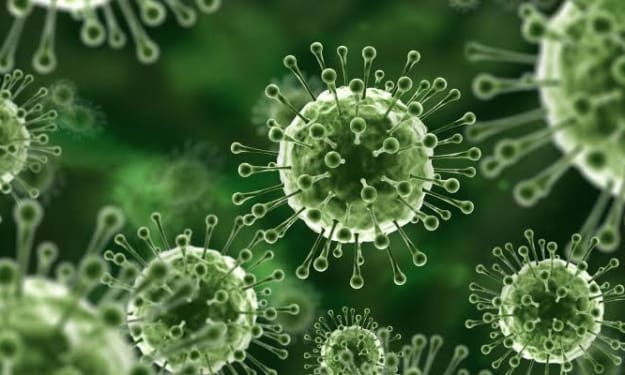
Deadly Nipah Virus Outbreak
In recent years, the world has become painfully familiar with viral outbreaks. From COVID-19 to Ebola, infectious diseases have repeatedly reminded humanity how fragile global health systems can be. Among these threats, the Nipah virus stands out as one of the deadliest and least understood viruses, capable of causing severe illness and sudden outbreaks with devastating consequences. Although Nipah virus outbreaks are relatively rare, their high fatality rate and lack of a specific cure make them a serious public health concern. Each new outbreak reignites fears and highlights the urgent need for awareness, preparedness, and global cooperation. What Is the Nipah Virus? The Nipah virus is a zoonotic virus, meaning it spreads from animals to humans. It was first identified in 1998 during an outbreak among pig farmers in Malaysia. Since then, cases have been reported mainly in South and Southeast Asia, including Bangladesh and India. Fruit bats, particularly those from the Pteropus species, are considered the natural carriers of the virus. These bats often show no symptoms but can transmit the virus to humans either directly or through intermediate hosts such as pigs. Human-to-human transmission has also been documented, making outbreaks especially difficult to contain. How Nipah Virus Spreads One of the most alarming aspects of the Nipah virus outbreak is how easily it can spread in certain environments. Common modes of transmission include: Direct contact with infected animals Consumption of food contaminated by bat saliva or urine, such as raw date palm sap Close contact with infected individuals, especially in healthcare or household settings In many affected regions, traditional practices and limited access to healthcare increase the risk of exposure. Once the virus enters a community, it can spread rapidly if preventive measures are not taken seriously. Symptoms and Severity The symptoms of Nipah virus infection can vary widely, which often makes early diagnosis difficult. Initial symptoms may resemble common illnesses, including: Fever Headache Muscle pain Vomiting and sore throat However, the disease can quickly progress to severe neurological complications such as encephalitis (brain inflammation). In advanced cases, patients may experience confusion, seizures, coma, and respiratory distress. What makes Nipah virus particularly deadly is its high mortality rate, which has ranged from 40% to as high as 75% in some outbreaks. Survivors may also suffer long-term neurological problems, significantly impacting their quality of life. Recent Outbreaks and Global Concern Each new Nipah virus outbreak raises international alarm, not only because of its fatality rate but also due to its potential to spark a larger epidemic. The World Health Organization (WHO) has listed Nipah virus as a priority pathogen, meaning it has the potential to cause a public health emergency with limited treatment options available. Recent outbreaks, even when limited to a few cases, have required massive public health responses, including contact tracing, quarantines, and community lockdowns. These measures, while effective, place immense strain on healthcare systems and local economies. The fear is not just about the present outbreak but about the virus’s potential to mutate and spread more efficiently among humans in the future. Why There Is No Cure Yet Currently, there is no specific antiviral treatment or approved vaccine for the Nipah virus. Medical care focuses on managing symptoms and providing supportive treatment, such as respiratory support and intensive care when needed. Several experimental treatments and vaccines are under development, but progress is slow due to the sporadic nature of outbreaks and limited funding compared to more widespread diseases. This lack of a cure makes prevention the most powerful tool in fighting Nipah virus outbreaks. Prevention and Control Measures Preventing a Nipah virus outbreak relies heavily on public awareness and early action. Key preventive strategies include: Avoiding consumption of raw or unprocessed foods that may be contaminated Limiting contact with bats and sick animals Using protective equipment when caring for infected individuals Strengthening infection control practices in hospitals Governments and health organizations also play a crucial role by monitoring potential hotspots, educating communities, and responding swiftly to suspected cases. The Role of Global Awareness The deadly nature of the Nipah virus is a stark reminder that global health threats do not respect borders. An outbreak in a small village can quickly become an international concern if ignored. This is why transparency, rapid reporting, and global cooperation are essential. Raising awareness through accurate information helps prevent panic while encouraging responsible behavior. Media outlets, healthcare professionals, and policymakers must work together to ensure communities understand both the risks and the protective measures. Looking Ahead As the world continues to recover from recent pandemics, the Nipah virus outbreak serves as a warning rather than a prediction. It highlights the importance of investing in research, strengthening healthcare infrastructure, and respecting the delicate balance between humans and wildlife. While Nipah virus may not yet be a household name, its potential impact is undeniable. Preparedness today can save countless lives tomorrow. By staying informed and supporting global health initiatives, humanity can reduce the risk posed by this silent but deadly threat.
By Saboor Brohi about 8 hours ago in Earth
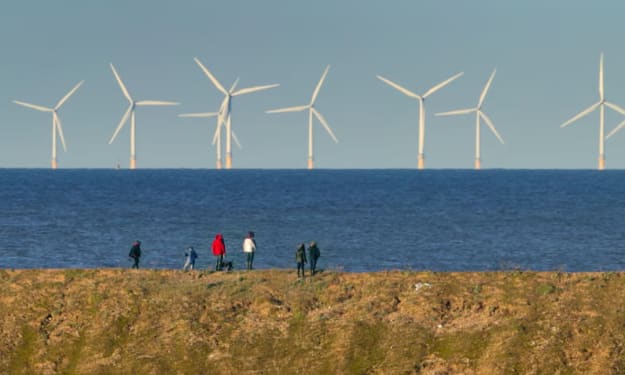
UK Among 10 Countries to Build 100GW Wind Power Grid in North Sea
The United Kingdom has joined forces with nine other European countries to create a massive offshore wind power grid in the North Sea, aiming to generate 100 gigawatts (GW) of renewable electricity. This ambitious initiative, one of the largest international energy projects in recent history, reflects Europe’s growing commitment to sustainable energy and the transition away from fossil fuels.
By Aarif Lasharia day ago in Earth
The Blue Ridge Stalker
Tom had left the Ford down the way, its spark plugs finally exhausted and no mechanics for a dozen miles back through the foothills to Strossburg. No matter, he had worn his boots—almost as if he planned for this to happen. The puzzle he sought to solve emanated from the woods clinging to the slopes above; the valley behind held no mysteries.
By Stephen A. Roddewig6 days ago in Fiction


Comments
There are no comments for this story
Be the first to respond and start the conversation.