
Climate Change and Global Food Security: Strategies for Adaptation and Mitigation
Climate
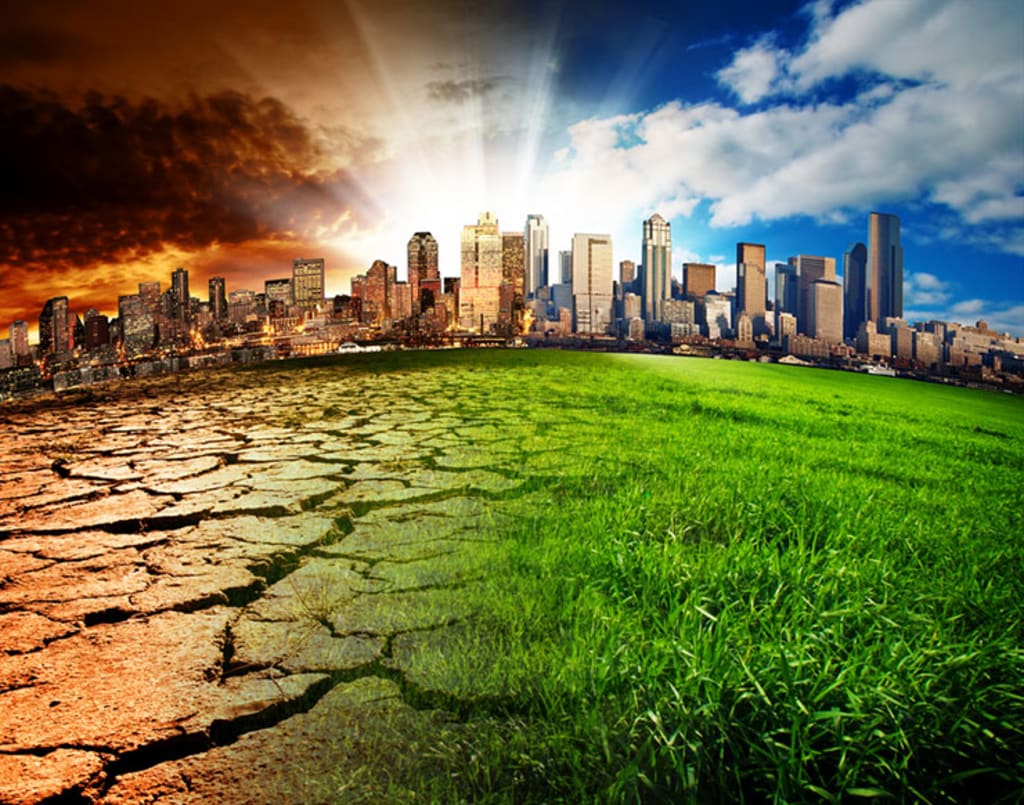
Climate change is having a significant impact on global food security, and the situation is only expected to worsen in the coming years. The changing climate is affecting food production and distribution systems, as well as the nutritional quality of crops and livestock. The implications of these changes are far-reaching, affecting everything from human health and well-being to global economic stability. In this article, we will explore the effects of climate change on global food security and discuss strategies for adaptation and mitigation.
Effects of Climate Change on Food Security
Climate change is having a range of impacts on global food security, including:
1.Changing Weather Patterns: Climate change is causing changes in weather patterns, such as increased frequency and severity of extreme weather events, such as droughts, floods, and heatwaves. These weather patterns are affecting crop yields and reducing food availability.
2.Reduced Crop Productivity: Climate change is affecting crop productivity by altering precipitation patterns, temperature regimes, and soil moisture conditions. This is causing changes in crop yields, quality, and timing, and also reducing the nutritional value of some crops.
3.Changes in Pest and Disease Pressure: Climate change is affecting pest and disease pressure, which can lead to reduced crop yields, quality, and nutritional value.
4.Impacts on Livestock: Climate change is affecting the health and productivity of livestock, particularly in areas with limited water resources. This is leading to reduced food availability, particularly in regions where livestock is a primary source of protein.
5.Increased Food Price Volatility: Climate change is causing increased food price volatility due to reduced crop yields and increased demand for food as the world's population continues to grow.
Adaptation and Mitigation Strategies
In order to address the impact of climate change on global food security, a range of adaptation and mitigation strategies are required. These strategies include:
1.Improving Crop Varieties: Developing crops that are more resilient to changes in temperature, precipitation, and pests and diseases. This involves using traditional breeding methods, as well as genetic engineering techniques.
2.Enhancing Soil Health: Improving soil health through practices such as conservation agriculture, crop rotations, and cover cropping. These practices help to retain soil moisture and nutrients, making crops more resilient to climate change.
3.Improving Water Management: Improving water management through techniques such as drip irrigation, rainwater harvesting, and water storage. This helps to improve water availability, particularly in regions with limited water resources.
4.Improving Livestock Management: Improving livestock management practices, such as better feeding, breeding, and disease management. This helps to improve the health and productivity of livestock, particularly in regions with limited water resources.
5.Reducing Food Waste: Reducing food waste through better storage, transportation, and distribution systems. This helps to reduce the amount of food that is lost or wasted, particularly in regions where food is scarce.
6.Reducing Greenhouse Gas Emissions: Reducing greenhouse gas emissions through the use of renewable energy sources, such as solar and wind power. This helps to mitigate the impact of climate change on global food security.
Conclusion
Climate change is having a significant impact on global food security, and the situation is only expected to worsen in the coming years. The changing climate is affecting food production and distribution systems, as well as the nutritional quality of crops and livestock. In order to address the impact of climate change on global food security, a range of adaptation and mitigation strategies are required. These strategies include improving crop varieties, enhancing soil health, improving water management, improving livestock management, reducing food waste, and reducing greenhouse gas emissions. By implementing these strategies, we can help
About the Creator
Keep reading
More stories from Rahul Saini and writers in Earth and other communities.
Celebrating Earth Day: Why We Need to Protect Our Planet
Every year on April 22, people around the world celebrate Earth Day, a day dedicated to raising awareness about environmental issues and promoting sustainability. The first Earth Day was held in 1970, and since then, it has become a global movement, with millions of people coming together to advocate for a healthier, more sustainable planet.
By Rahul Saini3 years ago in Earth
GWR Confirms ‘Major Investment’ with Office Lease: What It Means for Plymouth and the South West
Great Western Railway (GWR) has confirmed a major long-term investment in Plymouth by securing a significant city-centre office lease close to the railway station. While the announcement may sound like a routine property deal on the surface, it actually signals something much bigger — a vote of confidence in the city, a boost for local regeneration, and a clear statement about the future direction of rail-led development in the South West.
By Muhammad Hassan4 days ago in Earth
Whose Goat Is This?
Pir Sahib was startled when he saw a goat roaming freely in the courtyard of his house. Stroking its neck, he spoke to himself, wondering where the goat had come from and why it seemed so fearless, as if it belonged there. The house door was open, which explained how the goat had wandered inside.
By Sudais Zakwanabout an hour ago in Earth
Rachel Reviews: The Spiral Archive by Pieter Hendrik
It's difficult for me to know where to start with a review of this book as it was, for me, an entirely unique experience and one that I'll probably never have again. I don't want that to be interpreted as unenjoyable but it has left me scratching my head a little and ruminating on its content, its themes and its characters.
By Rachel Deeming5 days ago in BookClub



Comments
There are no comments for this story
Be the first to respond and start the conversation.