
Celebrating Earth Day: Why We Need to Protect Our Planet
Earth Day
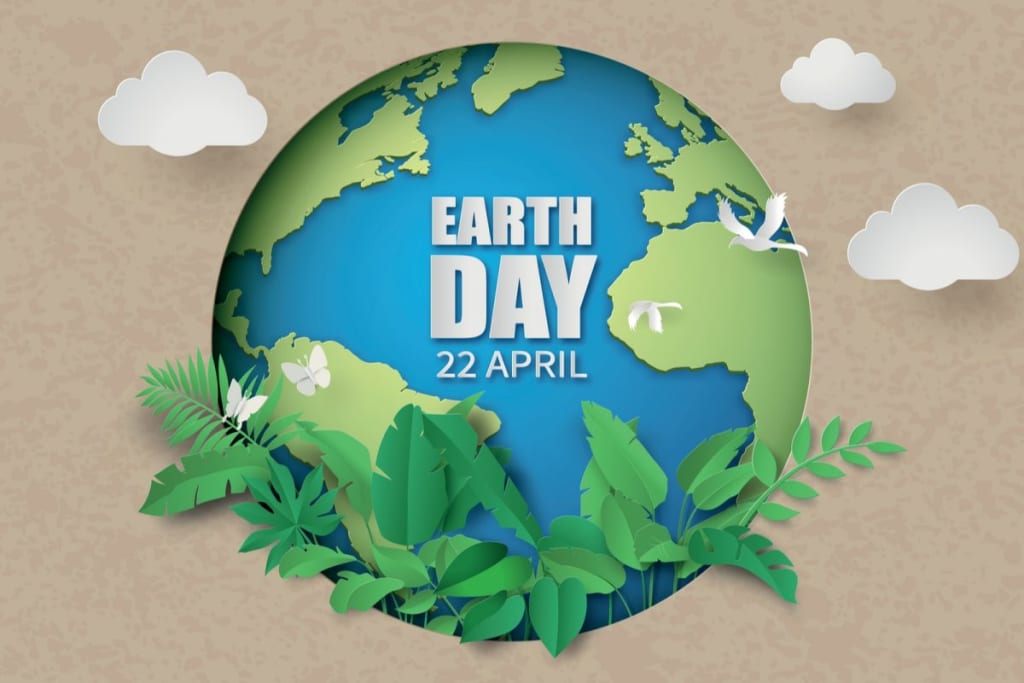
Every year on April 22, people around the world celebrate Earth Day, a day dedicated to raising awareness about environmental issues and promoting sustainability. The first Earth Day was held in 1970, and since then, it has become a global movement, with millions of people coming together to advocate for a healthier, more sustainable planet.
The importance of Earth Day cannot be overstated. Our planet is facing a number of pressing environmental challenges, from climate change and pollution to deforestation and loss of biodiversity. These issues have far-reaching consequences, affecting everything from the air we breathe to the food we eat.
Climate change is perhaps the most urgent environmental issue facing our planet today. The Earth's climate is changing at an alarming rate, with global temperatures on the rise and extreme weather events becoming more frequent and severe. This has serious implications for the planet's ecosystems, as well as for human health and well-being. The effects of climate change are already being felt around the world, from melting glaciers and rising sea levels to more frequent and severe droughts and floods.
One of the main drivers of climate change is the burning of fossil fuels, which releases large amounts of carbon dioxide and other greenhouse gases into the atmosphere. These gases trap heat from the sun, causing global temperatures to rise. In addition to the environmental impact, climate change also has economic and social consequences, such as loss of livelihoods and displacement of populations due to rising sea levels and extreme weather events.
Another major environmental challenge is pollution. Our oceans, rivers, and air are all polluted with toxic chemicals and waste, which can harm wildlife and human health. Plastic pollution, in particular, has become a major issue in recent years, with millions of tons of plastic waste ending up in the ocean each year.
Plastic pollution has devastating effects on marine ecosystems, harming everything from tiny plankton to massive whales. It can also have serious consequences for human health, as toxic chemicals from plastics can enter the food chain and ultimately end up in our bodies.
Deforestation is another critical environmental issue that is contributing to climate change and loss of biodiversity. Deforestation not only destroys important habitats for wildlife, but it also releases large amounts of carbon dioxide into the atmosphere, contributing to global warming.
Deforestation is driven by a variety of factors, including the expansion of agriculture, mining, and urbanization. In addition to the environmental impact, deforestation also has social and economic consequences, such as displacement of indigenous communities and loss of livelihoods.
Loss of biodiversity is another pressing environmental issue. Biodiversity refers to the variety of living organisms on Earth, from tiny microbes to towering trees. Biodiversity is important for a number of reasons, including providing important ecosystem services such as pollination, pest control, and nutrient cycling.
Unfortunately, biodiversity is declining at an alarming rate due to habitat destruction, overhunting, and climate change. The loss of biodiversity has far-reaching consequences, such as reduced resilience to environmental stressors and increased risk of disease outbreaks.
So why is it so important to protect our planet? There are many reasons, but perhaps the most compelling is that our own health and well-being are intimately tied to the health of the planet. Clean air and water, healthy soils, and diverse ecosystems are all essential for human survival and flourishing. Protecting the environment also means protecting the livelihoods and cultures of millions of people around the world who depend on the natural resources of the planet for their well-being.
In addition to the moral imperative to protect the environment, there are also economic and social benefits to sustainability. Sustainable practices can help create jobs, stimulate innovation, and improve public health. For example, investing in renewable
About the Creator
Keep reading
More stories from Rahul Saini and writers in Earth and other communities.
Climate Change and Global Food Security: Strategies for Adaptation and Mitigation
Climate change is having a significant impact on global food security, and the situation is only expected to worsen in the coming years. The changing climate is affecting food production and distribution systems, as well as the nutritional quality of crops and livestock. The implications of these changes are far-reaching, affecting everything from human health and well-being to global economic stability. In this article, we will explore the effects of climate change on global food security and discuss strategies for adaptation and mitigation.
By Rahul Saini3 years ago in Earth
Saudi Arabia Flour Market Size and Forecast 2025–2033
The Saudi Arabia Flour Market is undergoing a significant transformation, supported by population growth, urbanization, dietary changes, and government initiatives to strengthen food security. According to Renub Research, the market is expected to grow from US$ 2.01 billion in 2024 to US$ 3.03 billion by 2033, registering a compound annual growth rate (CAGR) of 4.66% from 2025 to 2033.
By Sushant. Renub Researchabout 2 hours ago in Earth
Plans Lodged for Assembly Rooms Replacement
Plans have been officially submitted for the replacement of the historic Assembly Rooms, signaling a significant transformation in the heart of the city. The Assembly Rooms, long regarded as a cultural and architectural landmark, have been a venue for public gatherings, performances, and civic events for decades. With the new plans now lodged, the community, local authorities, and heritage groups are preparing for a debate over modern development versus preserving historical character.
By Muhammad Hassan3 days ago in Earth



Comments
There are no comments for this story
Be the first to respond and start the conversation.