
Climate Change and Environmental Issues: Urgent Call for Global Action
A critical examination
Introduction:
Climate change and environmental issues have emerged as the defining challenges of our time. The catastrophic consequences of human activities on the planet's ecosystems have become increasingly evident, underscoring the urgent need for immediate action. In this blog post, we will explore the gravity of climate change and its impact on the environment, focusing on the importance of global cooperation and individual actions in mitigating these pressing issues.
Understanding Climate Change:
Climate change refers to long-term alterations in weather patterns and temperature trends across the planet. It is primarily caused by the excessive release of greenhouse gases (GHGs), such as carbon dioxide (CO2), methane (CH4), and nitrous oxide (N2O), into the atmosphere. These emissions mainly result from human activities like burning fossil fuels for energy, deforestation, industrial processes, and livestock production.
Consequences for the Environment:
1. Rising Temperatures and Extreme Weather Events:
Global warming causes a range of environmental consequences, including rising temperatures, heatwaves, and changing precipitation patterns. These changes have led to an increase in extreme weather events such as hurricanes, floods, and droughts, impacting ecosystems, agriculture, and human settlements.
2. Melting Glaciers and Rising Sea Levels:
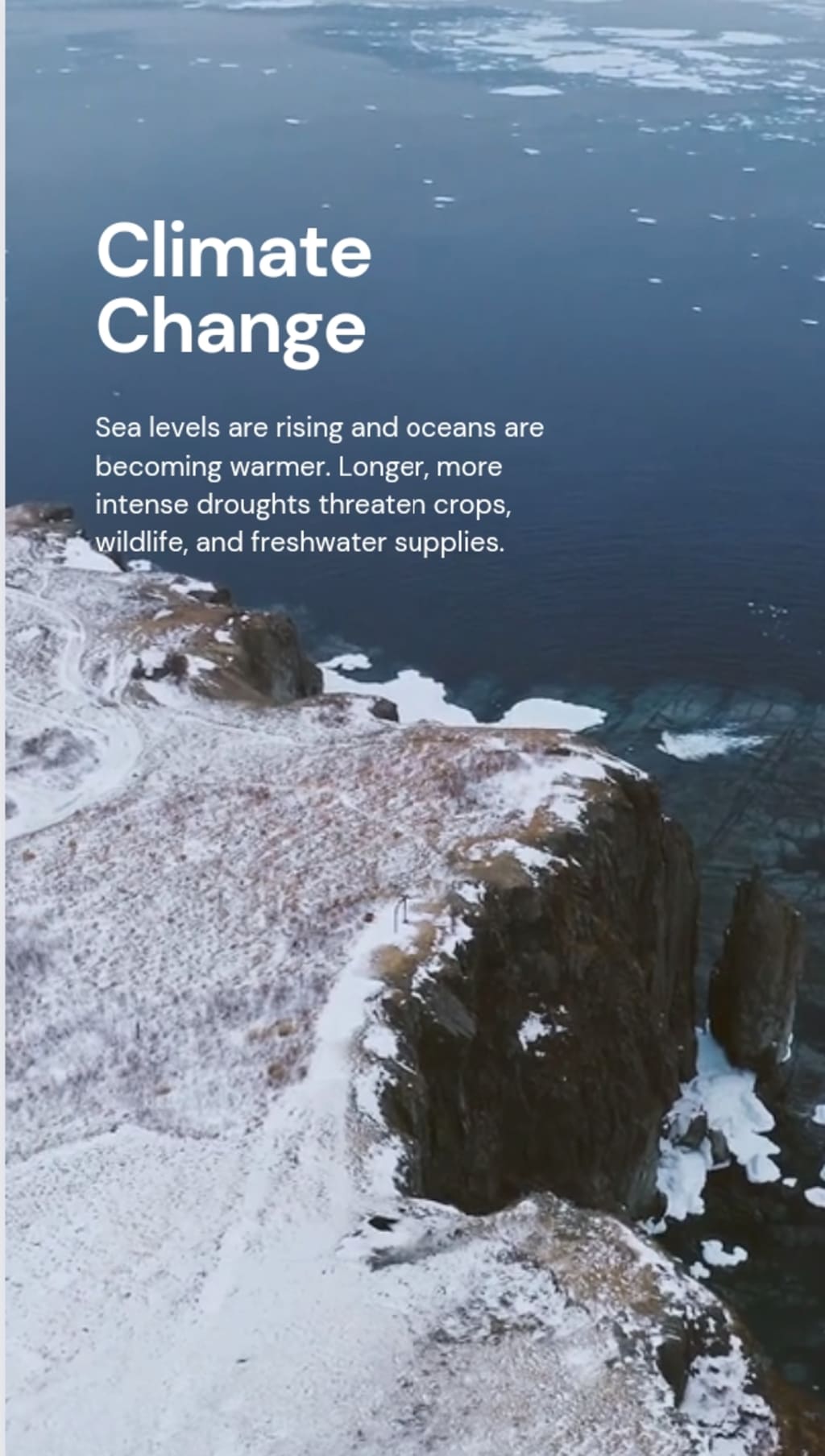
As temperatures rise, glaciers and ice caps are melting at an alarming rate. This, coupled with the expansion of warmer water, contributes to rising sea levels. Coastal regions, low-lying islands, and deltaic ecosystems are at high risk of flooding, loss of biodiversity, and increased coastal erosion.
3. Loss of Biodiversity and Ecosystem Degradation:
Climate change exacerbates habitat loss, disrupting ecosystems and threatening biodiversity. Many species struggle to adapt to rapid changes in temperature and altered ecological conditions, leading to a loss in genetic diversity and potential extinction. Coral reefs, for example, are particularly vulnerable to rising ocean temperatures, resulting in bleaching events and the subsequent collapse of entire reef ecosystems.
4. Deforestation and Land Degradation:
Deforestation, mainly driven by agriculture, contributes significantly to climate change. Trees act as natural carbon sinks, absorbing CO2 from the atmosphere. When forests are cleared, not only does the release of stored CO2 increase, but fewer trees are available to absorb future emissions. Additionally, deforestation leads to habitat loss, soil erosion, and disruption of ecosystems.
Global Response and Individual Actions:
1. International Agreements and Policy Initiatives:
The Paris Agreement, signed in 2015, provided a framework for global cooperation in combating climate change. It aims to keep global temperature rise well below 2 degrees Celsius above pre-industrial levels and pursue efforts to limit the temperature increase to 1.5 degrees Celsius. Countries have committed to reducing greenhouse gas emissions, transitioning to clean energy sources, and implementing adaptation strategies.
2. Embracing Renewable Energy Sources:
Transitioning away from fossil fuels to renewable energy is crucial in mitigating climate change. Solar, wind, and hydropower offer sustainable alternatives for electricity generation. Governments, businesses, and individuals play a pivotal role in supporting the development and adoption of renewable energy technologies.
3. Sustainable Land Management and Conservation:
Protecting and restoring ecosystems, such as forests, wetlands, and grasslands, is vital in absorbing carbon emissions and preserving biodiversity. Sustainable land management practices, such as afforestation, reforestation, and sustainable agriculture, can help mitigate climate change while safeguarding ecosystems and promoting sustainable livelihoods.
4. Promoting Circular Economy and Sustainable Consumption:
Shifting towards a circular economy, where resources are used efficiently, waste is minimized, and products are designed for longevity and recyclability, is crucial in reducing environmental degradation and carbon emissions. This involves adopting sustainable consumption habits, promoting recycling and reducing waste, and supporting eco-friendly businesses.
5. Raising Awareness and Education:
Education and awareness campaigns are instrumental in encouraging individuals and communities to take action against climate change. By providing accurate information, fostering sustainable behavior, and advocating for environmental stewardship, society can collectively work towards a more sustainable future.
Conclusion:
Climate change and environmental issues pose an existential threat to our planet and future generations. The consequences are tangible, affecting ecosystems, biodiversity, and human well-being. It is imperative for global leaders, policymakers, businesses, and individuals to come together and take immediate action to mitigate climate change. By embracing sustainable practices, transitioning to renewable energy, protecting ecosystems, and promoting sustainable consumption, we can pave the way towards a more resilient and sustainable future for all. Remember, our collective actions are not only crucial for the environment but also for our own survival.
About the Creator
Keep reading
More stories from Johnmary Ehebhamen and writers in Earth and other communities.
Sustainable Living and Eco-Friendly Initiatives
Introduction In a world grappling with environmental challenges, sustainable living and eco-friendly initiatives have emerged as the heroes we desperately need. As responsible inhabitants of this beautiful planet, it is our duty to adopt conscious lifestyles that protect our environment and promote a better future for generations to come. In this blog post, we will delve into the importance of sustainable living, explore eco-friendly initiatives that are making a difference, and discuss practical steps we can take to contribute to a greener world. So, grab your recycling bin, put on your eco-warrior cape, and let's embark on a journey towards a more sustainable future together!
By Johnmary Ehebhamen3 years ago in Earth
Review of 'Man on the Run'
My wife and I saw Man on the Run, a nearly 2-hour documentary on Amazon Prime, about Wings, Paul McCartney's group that flew around the world from shortly after The Beatles broke up in early 1970 to shortly after John Lennon was murdered at the end of 1980, making a Beatles reunion forever impossible.
By Paul Levinson5 days ago in Beat


Comments
There are no comments for this story
Be the first to respond and start the conversation.